The UNC said the decision followed appeals from churches, tribal organisations, civil society groups, and political leaders, while also demanding the immediate and safe release of six missing Naga civilians.
BY PC Bureau
June 1, 2026: In a major humanitarian development amid continuing ethnic tensions in Manipur, the United Naga Council (UNC) on Monday announced the release of 14 Kuki detainees who had been held for nearly 18 days following violent clashes in the hill districts. However, the release had not taken place till the evebning amid reprots iof push back by Naga student groups of Senapathi ditrict.
The hostages are reportd to be in the custody of the Senapati disticts students organsiations.
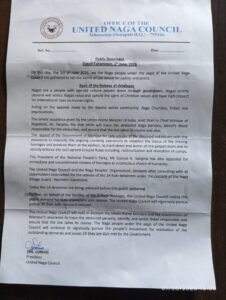
The announcement was made during a public gathering at the UNC headquarters in Tahamzam, Senapati headquarters, where the organisation formally confirmed the release through an official statement signed by UNC President Ng. Lorho.
According to the statement, the detainees had been under the custody of the Naga Village Guard–Northern Command and were released following consultations with community leaders, civil society organisations, church bodies, and government authorities.
“Today, the 14 detainees are being released before this public gathering,” the statement declared.
At the same time, the UNC issued a strong appeal for the immediate and safe release of six missing Naga civilians whose whereabouts remain unknown.
“On behalf of the families of the six Naga hostages, the United Naga Council makes this public demand for their immediate safe release,” the statement added.
Appeals From Churches and Political Leaders Influenced Decision
The UNC stated that the decision to release the detainees was taken after repeated appeals from the Baptist world community, Naga churches, tribal organisations, and various civil society groups urging restraint and humanitarian action.
The council also referred to assurances reportedly conveyed by Union Home Minister Amit Shah to Nagaland Chief Minister Neiphiu Rio regarding efforts to trace the missing civilians and restore peace in the affected areas.
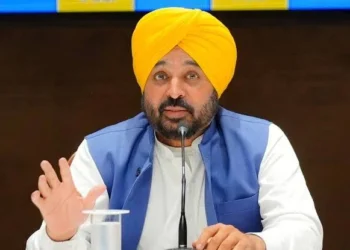
In addition, appeals from the Government of Manipur and National People’s Party President Conrad K. Sangma calling for the unconditional release of all hostages also influenced the council’s decision.
Political observers say the combined intervention of church institutions, tribal leaders, civil society organisations, and political figures helped create the conditions necessary for dialogue and eventual release.
READ: US-Iran Ceasefire Tested After Fresh American Airstrikes
Crisis Triggered by Killing of Church Leaders
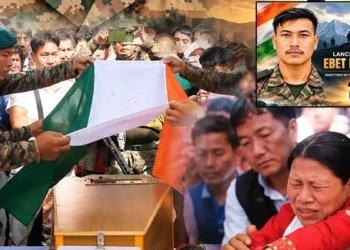
The latest hostage crisis originated from violence that erupted on May 13, 2026, after three Kuki-Zo church leaders were killed in an ambush by unidentified gunmen in Kangpokpi district.
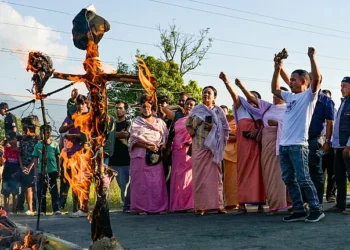
The killings triggered widespread outrage and led to retaliatory actions, civilian abductions, road blockades, and heightened tensions between sections of the Kuki-Zo and Naga communities along the sensitive Kangpokpi-Senapati border region.
During the escalation, dozens of civilians from both communities were reportedly detained or taken hostage in separate incidents. While an earlier agreement facilitated the mutual release of 14 individuals from each side on May 15 after a tense standoff, 14 Kuki civilians — including women and minors from Taphou Kuki village — remained in captivity until Sunday’s announcement.
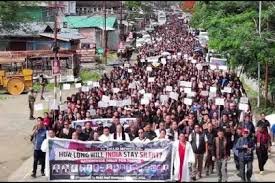
The prolonged detention intensified public anger and fear, prompting emotional protests, sit-ins by affected families, and repeated appeals from community organisations demanding humanitarian intervention.
UNC Highlights Commitment to Humanitarian Values
In its statement, the UNC emphasised that the Naga people have a long-standing tradition rooted in war ethics, Christian values, and respect for international human rights principles.
The organisation stated that both the UNC and the Naga People’s Organisation, Senapati, had actively intervened to facilitate the detainees’ release in keeping with those values.
At the same time, the council asserted that it would continue pursuing justice for the six missing Naga civilians and hold authorities accountable for ensuring their safe recovery.
The UNC also reiterated its commitment to pursuing the broader Naga political movement until long-pending demands and issues are addressed by the government.
Government Intensifies Operations
Meanwhile, the Manipur government has assured the UNC that all efforts are being intensified to trace the six missing Naga civilians and strengthen security in vulnerable regions.
In an official communication issued by the Home Department, Commissioner-cum-Secretary (Home) N. Ashok Kumar stated that security forces are conducting sustained Cordon and Search Operations (CASO), combing exercises, area domination patrols, and intelligence-based operations across sensitive districts.
The government also confirmed that the case relating to the missing persons has been transferred to the National Investigation Agency (NIA) to ensure an independent and transparent probe.
Authorities have further pledged strict enforcement of the Suspension of Operations (SoO) ground rules, including possible rationalisation and relocation of designated camps in coordination with the Centre.
Officials stated that all individuals involved in civilian abductions and violence would be identified and prosecuted irrespective of affiliation or status.
Fragile Peace Amid Deep Historical Fault Lines
Despite the breakthrough, uncertainty over the six missing Naga civilians continues to cast a shadow over peace efforts.
Community leaders from both sides have urged restraint and called for continued dialogue to prevent another cycle of retaliation.
The latest developments have also revived memories of the violent Naga-Kuki clashes of the 1990s, during which thousands were displaced and longstanding disputes over land, political representation, territorial claims, and ethnic identity intensified across Manipur’s hill districts.
Analysts caution that while the release of the detainees is a major humanitarian step and an important confidence-building measure, lasting peace will require credible investigations, civilian protection mechanisms, sustained political dialogue, and genuine inter-community reconciliation.
For families in Taphou and other affected villages, however, the release marks an emotional moment of relief after nearly three weeks of uncertainty and anguish.
As reunions begin across the hills, prayers for peace and stability continue to resonate in a state still struggling to heal from deep ethnic divisions.