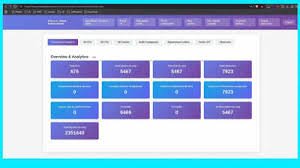
According to claims circulating online, the alleged flaws could have provided unauthorised access to details of examination observers, coordinators, centres, and key administrative functions linked to the NEET re-test process.
BY PC Bureau
New Delhi, June 2, 2026: The National Testing Agency (NTA), already under intense scrutiny over the controversy surrounding the 2026 NEET-UG examination, is now facing fresh questions over the security of its digital infrastructure after allegations surfaced regarding serious vulnerabilities in its re-examination portal.
The claims were made by a self-described 16-year-old cybersecurity researcher on social media platform X, who alleged that the portal used for managing the NEET-UG re-test contained significant security flaws that could potentially expose sensitive administrative and user data. The allegations emerge at a particularly sensitive time for the NTA, which was forced to cancel and schedule a re-test for the medical entrance examination following a major paper leak scandal that triggered nationwide outrage among students and parents.
While the claims have not yet been independently verified, they have generated considerable discussion among cybersecurity experts, educators, and examination stakeholders due to the potentially sensitive nature of the information allegedly accessible through the portal.
READ: Manipur: UNC Cancels Decision to Release Kuki-Zo Hostages
Alleged Exposure of Sensitive Examination Data
According to the researcher, the vulnerability may have exposed information linked to thousands of officials involved in conducting the examination. The reportedly accessible data included names, email addresses, mobile phone numbers, and details of observers, centre coordinators, and examination centres deployed across the country.
The allegations suggest that the issue extended beyond simple data exposure. The researcher claimed that unauthorised users could potentially gain access to administrative functions within the portal, including the ability to export data, generate appointment letters, manage observer records, upload templates, and modify administrative mappings.
If proven accurate, such vulnerabilities could raise serious concerns about the integrity and security of examination management systems used in one of India’s most competitive and high-stakes entrance examinations.
And then there are people making reels claiming NEET is so “GOATED” that even the INDIAN AIR FORCE had to intervene.
Meanwhile, a portal handling sensitive exam-related data is reportedly vulnerable to a basic login bypass
a security flaw so elementary that it raises serious… https://t.co/haSzjzijs8— Rutuparna Patro (@khush_muse18) June 1, 2026
Portal Reportedly Goes Offline
Adding to the controversy, several social media users reported that the re-examination portal became inaccessible shortly after the allegations began circulating online. Users attempting to access the platform reportedly encountered a “404 Not Found” error message, prompting speculation about whether the site had been temporarily taken down for maintenance or security review.
As of publication, the NTA had not issued any official statement responding to the allegations or clarifying the status of the portal. The absence of an immediate response has only fueled calls for greater transparency regarding the agency’s cybersecurity preparedness.
Growing Questions Over Examination Infrastructure
The latest controversy comes at a time when public confidence in examination systems is already under strain. The NEET-UG paper leak controversy has led to widespread criticism of examination management mechanisms and intensified demands for stronger safeguards to protect the integrity of national-level entrance tests.
Experts note that examination platforms today handle enormous volumes of sensitive personal and administrative data, making them attractive targets for cyberattacks. Any vulnerability affecting such systems can have implications extending beyond data privacy, potentially impacting examination logistics, candidate trust, and institutional credibility.
The allegations against the NTA have therefore reignited broader discussions about the need for regular security audits, vulnerability assessments, penetration testing, and stronger cyber hygiene practices across educational technology platforms operated by government agencies.
CBSE Portal Controversy Adds to Concerns
The controversy also follows closely on the heels of security concerns involving the Central Board of Secondary Education (CBSE). The board’s On-Screen Marking (OSM) platform, used for evaluating Class 12 answer sheets, recently came under criticism after cybersecurity experts identified vulnerabilities in the system.
Initially, CBSE had maintained that the issue was limited to an incorrect URL and a testing portal. However, the board later acknowledged certain vulnerabilities within the platform, prompting renewed concerns over the cybersecurity standards governing critical educational infrastructure.
The issue has now attracted parliamentary attention, with the Standing Committee on Education scheduled to examine complaints related to evaluation discrepancies, technical glitches, and security concerns surrounding the OSM system.
Meanwhile, CBSE has opened its re-evaluation window for Class 12 students, allowing applications for verification and re-assessment until June 6.
Cybersecurity Under the Spotlight
Together, the controversies involving both NTA and CBSE have placed cybersecurity in India’s education sector under an unprecedented spotlight. As examinations increasingly rely on digital platforms for registration, evaluation, administration, and result processing, experts argue that ensuring robust cybersecurity is no longer optional but essential.
For millions of students whose academic futures depend on these systems, confidence in the security and reliability of examination platforms remains a critical issue. Whether the latest allegations against the NTA prove valid or not, the episode has once again highlighted the growing importance of protecting educational institutions against cyber threats in an increasingly digital era.
An official response from the NTA is awaited, and further clarity is expected once the agency examines the claims and conducts any necessary security assessments.