The diplomatic breakthrough eased concerns over disruptions to a key global energy route that carries nearly 20% of the world’s oil supplies.
BY PC Bureau
June 15, 2026: Global oil prices tumbled more than 4% on Monday after US President Donald Trump declared the Iran deal “complete” and announced the immediate reopening of the Strait of Hormuz, easing fears of prolonged disruptions to one of the world’s most critical energy corridors.
The sharp decline reflected growing optimism that the months-long conflict involving Iran would not trigger a sustained supply shock in global energy markets. Investors rushed to unwind risk premiums that had driven crude prices higher in recent weeks amid concerns that the closure of the strategic waterway could choke oil exports and fuel inflation worldwide.
Brent crude futures fell $3.58, or 4.1%, to $83.75 a barrel by 0004 GMT, while US West Texas Intermediate (WTI) crude dropped $4.01, or 4.72%, to $80.87 a barrel. Both benchmarks had already shed more than 3% in the previous trading session.
The sell-off came after Trump announced that Washington and Tehran had finalised an agreement that would end hostilities and allow maritime traffic through the Strait of Hormuz to resume without restrictions.
“The Deal with the Islamic Republic of Iran is now complete,” Trump wrote on Truth Social.
“Congratulations to all! I hereby fully authorise the toll free opening of the Strait of Hormuz, and, simultaneously herewith, authorise the immediate removal of the United States Naval blockade.”
He added: “Ships of the World, start your engines. Let the oil flow!”
The Strait of Hormuz, through which nearly a fifth of the world’s oil and liquefied natural gas supplies pass, had been effectively shut since the conflict escalated in late February. The disruption sent shockwaves through global markets, raising fears of soaring fuel prices and supply chain bottlenecks.
According to an Iranian lawmaker, some commercial vessels were paying an average of around $2 million to transit the area during the crisis, underscoring the economic strain caused by the closure.
Energy analysts had repeatedly warned that a prolonged blockade could send crude prices soaring into the mid-to-high $100 range and push US gasoline prices to record levels.
Rapidan Energy President Bob McNally had cautioned that petrol prices in the United States could have climbed to as much as $5 per gallon if a diplomatic resolution had not been reached.
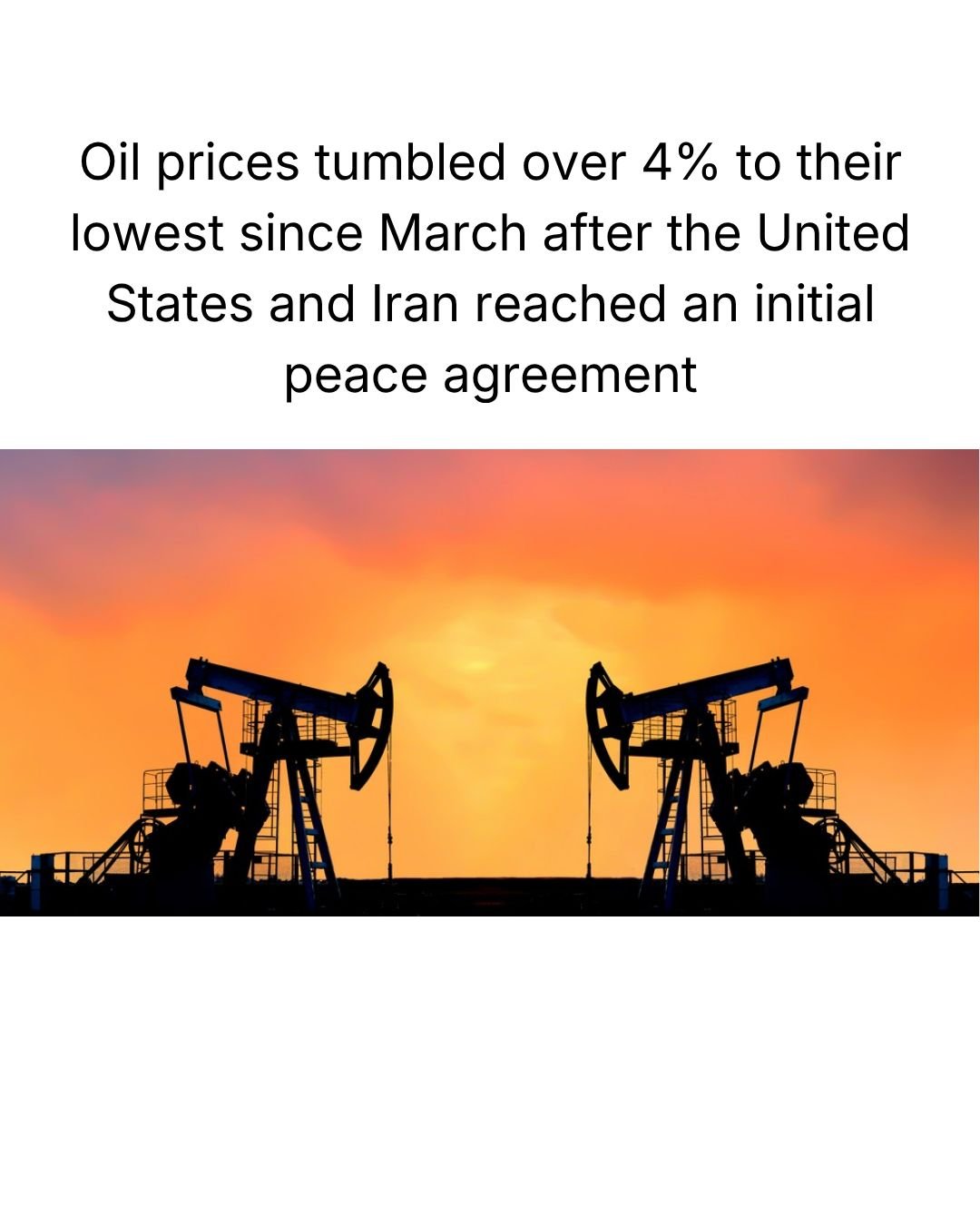
Oil prices plunged over 4% to their lowest levels since March following a landmark peace agreement between the United States and Iran to reopen the Strait of Hormuz. The initial deal, mediated by Pakistan, ends the war and terminates the US naval blockade on Iranian ports,… pic.twitter.com/ZnkLsbW0ja
— Trade Handle (@Trade_Handle) June 15, 2026
The market’s relief rally followed signs of a broader diplomatic breakthrough between Washington and Tehran after weeks of intensive negotiations involving regional mediators.
Pakistan Prime Minister Shehbaz Sharif announced that a peace agreement had been reached following talks between the two sides, describing it as a major step towards ending the conflict.
READ: ‘American Zionist Enemy Defeated’: Iran Hails Peace Deal With US
Sharif said both countries had agreed to an immediate and permanent cessation of military operations on all fronts, including Lebanon, with the accord set to be formally signed in Geneva, Switzerland, on June 19.
“Following intensive talks, we are pleased to announce that the Peace Deal between the United States of America and the Islamic Republic of Iran has been reached,” Sharif wrote on X.
“Both sides have declared the immediate and permanent termination of military operations on all fronts, including in Lebanon.”
While markets welcomed the prospect of restored oil flows and reduced geopolitical risk, questions remain over the finer details of the agreement, including sanctions relief, the release of frozen Iranian assets and the future of Tehran’s nuclear programme.
For now, however, traders appear to be betting that the reopening of the Strait of Hormuz and the easing of tensions in the Middle East could help stabilise energy markets and provide relief to consumers already grappling with elevated living costs.