BY PC Bureau
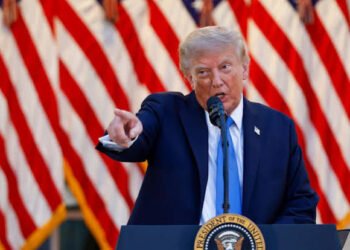
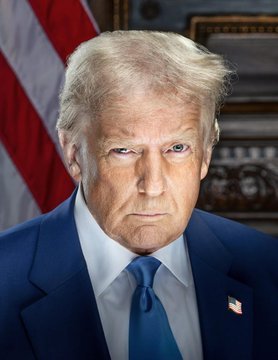
April 23, 2026 — Donald Trump has reignited the contentious debate over birthright citizenship by sharing a provocative video commentary from conservative radio host Michael Savage on his platform, Truth Social.
In the reposted clip, Savage delivers a sharp critique of the long-standing U.S. policy granting automatic citizenship to children born on American soil. He argues that the system is being misused to facilitate what critics call “chain migration,” making pointed and controversial references to migrants from countries such as China and India.
Savage claims that individuals exploit the policy by giving birth in the United States to secure citizenship for their children, which he alleges then enables extended family members to immigrate. He also links the issue to demographic and cultural changes, asserting that English is diminishing in some areas, and connects immigration to job competition in high-tech sectors—particularly in California—where he alleges qualified American workers are being overlooked.
Trump amplified the video with his own framing, reiterating his long-held position that birthright citizenship—enshrined in the Fourteenth Amendment to the United States Constitution—was originally intended to grant citizenship to formerly enslaved people after the Civil War, not to what he has described as a system open to abuse by foreign nationals. He has previously labelled the current framework a “money-making hoax” exploited by wealthy individuals from abroad.
READ: Iran Releases Dramatic Videos Showing Hormuz Ship Seizure
The repost comes against the backdrop of an ongoing legal battle. Early in his second term, Trump signed an executive order seeking to restrict birthright citizenship, triggering multiple legal challenges that have now reached the Supreme Court of the United States. The court heard oral arguments earlier in April 2026, focusing on whether automatic citizenship applies to children born to non-citizens, including those on temporary visas or without legal status.
BREAKING: Donald Trump reposts a letter referring to India and others as “hellholes”
“A baby here becomes an instant citizen and then they bring in their entire family from China, or India or some other hellhole on the planet.” pic.twitter.com/KEW6akpybh
— Shashank Mattoo (@MattooShashank) April 23, 2026
Background to the Debate
Supporters of limiting birthright citizenship argue that the United States is among the few countries offering unconditional jus soli (citizenship by birthplace), which they say encourages “birth tourism” and places pressure on public resources. Opponents—including legal scholars and civil rights groups—counter that any such change would require a constitutional amendment, citing the landmark 1898 ruling in United States v. Wong Kim Ark, which affirmed citizenship for children born in the U.S. to non-citizen parents.
Reactions and Fallout
Trump’s repost has triggered strong and divided reactions online. Supporters praised both Trump and Savage for highlighting what they see as systemic loopholes in immigration policy. However, the language used in the video—particularly references to India and China in derogatory terms—has drawn sharp criticism, especially from members of the Indian diaspora and Asian-American communities.
On social media, users expressed concern that such rhetoric could strain diplomatic and cultural ties, including relations between the United States and India. Others defended the remarks as criticism of policy rather than people. Advocacy groups have also flagged a rise in heated online discourse tied to the broader immigration debate.
A Consistent Political Line
Trump’s latest move aligns with his long-standing stance on immigration. Throughout his political career—from his 2016 campaign through his return to office—he has consistently criticised birthright citizenship and chain migration, framing them as central issues in his broader push for stricter immigration controls.
By sharing Savage’s commentary, known for its blunt and often polarising tone, Trump once again signals a hardline approach that continues to shape his second-term agenda. With the Supreme Court’s decision pending, the issue of birthright citizenship is poised to remain at the forefront of U.S. political and legal discourse.