Iranian state-linked media reported multiple maritime confrontations involving Iranian and US forces near the strategically vital Strait of Hormuz, one of the world’s most important oil transit chokepoints. The incidents unfolded amid already fragile negotiations aimed at ending the nearly three-month-long conflict involving Iran, the United States, and Israel.
According to Iran’s semi-official Tasnim news agency, Iranian naval forces intercepted four vessels attempting to enter the Persian Gulf after they allegedly failed to coordinate their transit with Iranian authorities.
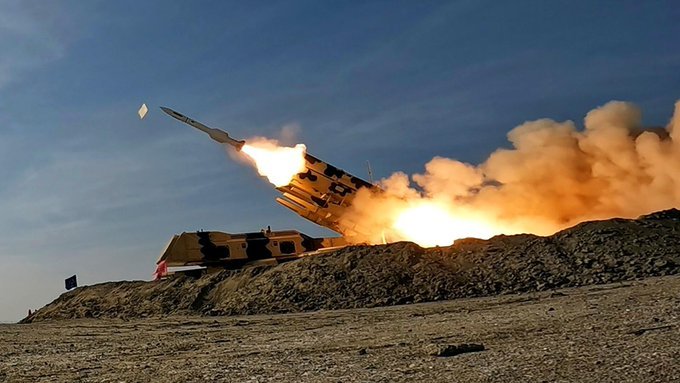
🚨🇮🇷 Iran strikes US airbase in response to Bandar Abbas attack — IRGC
Iran’s Islamic Revolutionary Guard Corps said it targeted a US airbase at 4:50 a.m. after an early morning US attack near Bandar Abbas airport, IRNA reported.
📌 The American base was the “origin of the… https://t.co/yxHjBzYXBT pic.twitter.com/N21j8JHy5s
— Sputnik (@SputnikInt) May 28, 2026
Citing what it described as an “informed military source,” Tasnim claimed Iranian forces initially issued radio warnings before firing warning shots when the vessels ignored repeated instructions. The vessels were reportedly forced to turn back from the Strait of Hormuz.
In a separate and more serious confrontation, Iranian media alleged that the naval wing of the Islamic Revolutionary Guard Corps (IRGC) opened fire on a US-linked tanker transiting the Strait with its radar systems allegedly switched off.
Iranian outlets further claimed that US forces later responded by firing at a “scorched area” near Bandar Abbas, a strategically important Iranian port city overlooking the Gulf. Residents reportedly heard explosions in the area, although Iranian authorities stated that there were no casualties or property damage.
The incidents came shortly after the United States Treasury Department imposed fresh sanctions on Iran’s newly formed Persian Gulf Strait Authority, a body established by Tehran to oversee and regulate shipping transit requests through the Strait of Hormuz.
Washington described the sanctions as part of broader efforts to intensify economic pressure on Iran while negotiations over a possible ceasefire and wider regional security arrangements continue.
At a cabinet meeting in Washington, US President Donald Trump reiterated that the Strait of Hormuz would remain “open to everybody,” describing the waterway as international waters vital to global commerce.
Trump also issued a fresh warning to Tehran, saying the United States would only accept what he termed a “great deal” in negotiations and warning that Washington could “finish the job” if diplomatic efforts failed.
The latest developments underline the increasingly fragile state of ongoing diplomatic efforts despite repeated public statements from both Washington and Tehran indicating a willingness to continue negotiations.
The conflict, which began after coordinated US-Israeli strikes on Iranian targets in late February, has already destabilised the Middle East, triggered major disruptions in global energy markets, and intensified fears of a broader regional war involving Lebanon, the Gulf, and other neighbouring states.
Meanwhile, Israel intensified military operations in southern Lebanon, issuing new evacuation warnings for civilians living south of the Zahrani River and signalling possible expanded strikes against Hezbollah positions.
READ: SC Seeks Fast-Track Trials in Manipur Violence Cases
In Gaza, casualties continued to mount following fresh Israeli airstrikes and military operations, adding further pressure to an already volatile regional situation.
Separately, Reuters reported that the US military carried out additional overnight strikes inside Iran targeting a military installation believed to pose a threat to US forces and commercial maritime traffic operating near the Strait of Hormuz.
A US official, speaking to Reuters on condition of anonymity, said American forces had also intercepted and shot down several Iranian drones considered a threat to maritime security and US military assets in the Gulf region.
The reported US strikes and drone interceptions took place even as diplomatic negotiations aimed at ending the conflict remained ongoing.
The war, which erupted on February 28, has already killed thousands, displaced large numbers of civilians, and severely affected global oil and shipping markets.
Earlier in the day, President Trump dismissed Iranian state media reports suggesting that Iran and Oman could jointly manage shipping operations through the Strait of Hormuz under a future peace arrangement.
“The Strait will remain open,” Trump said, reiterating Washington’s position that freedom of navigation through the crucial waterway must not be restricted.
Global markets remain highly sensitive to any military escalation around the Strait of Hormuz, through which nearly one-fifth of the world’s oil supply passes every day.
Oil prices rose sharply again after reports of renewed military exchanges near the waterway, while investors and governments worldwide expressed growing concerns over inflation, fuel supply disruptions, shipping risks, and the possibility of a prolonged regional conflict.
Security analysts warned that even limited confrontations near the Strait could significantly impact international trade routes, energy prices, and maritime insurance costs, particularly if tensions continue to spiral between Tehran and Washington.
Despite ongoing negotiations, Thursday’s developments highlighted how quickly the situation could deteriorate into a wider confrontation involving multiple actors across the Middle East.