BY PC Bureau
May 14, 2026: The Kuki National Organisation (KNO) and the United People’s Front (UPF), the two umbrella bodies representing Kuki-Zo armed groups under the Suspension of Operations (SoO) agreement with the Government of India, on Thursday strongly condemned the killing of three church leaders in Manipur’s Kangpokpi district and blamed suspected Naga militants for the ambush.
In a detailed joint statement issued on May 14, the organisations described the attack on leaders of the Thadou Baptist Association (TBA) between Kotzim and Kotlen villages on May 13 as a “barbaric and cowardly ambush” carried out against unarmed civilians and religious leaders.
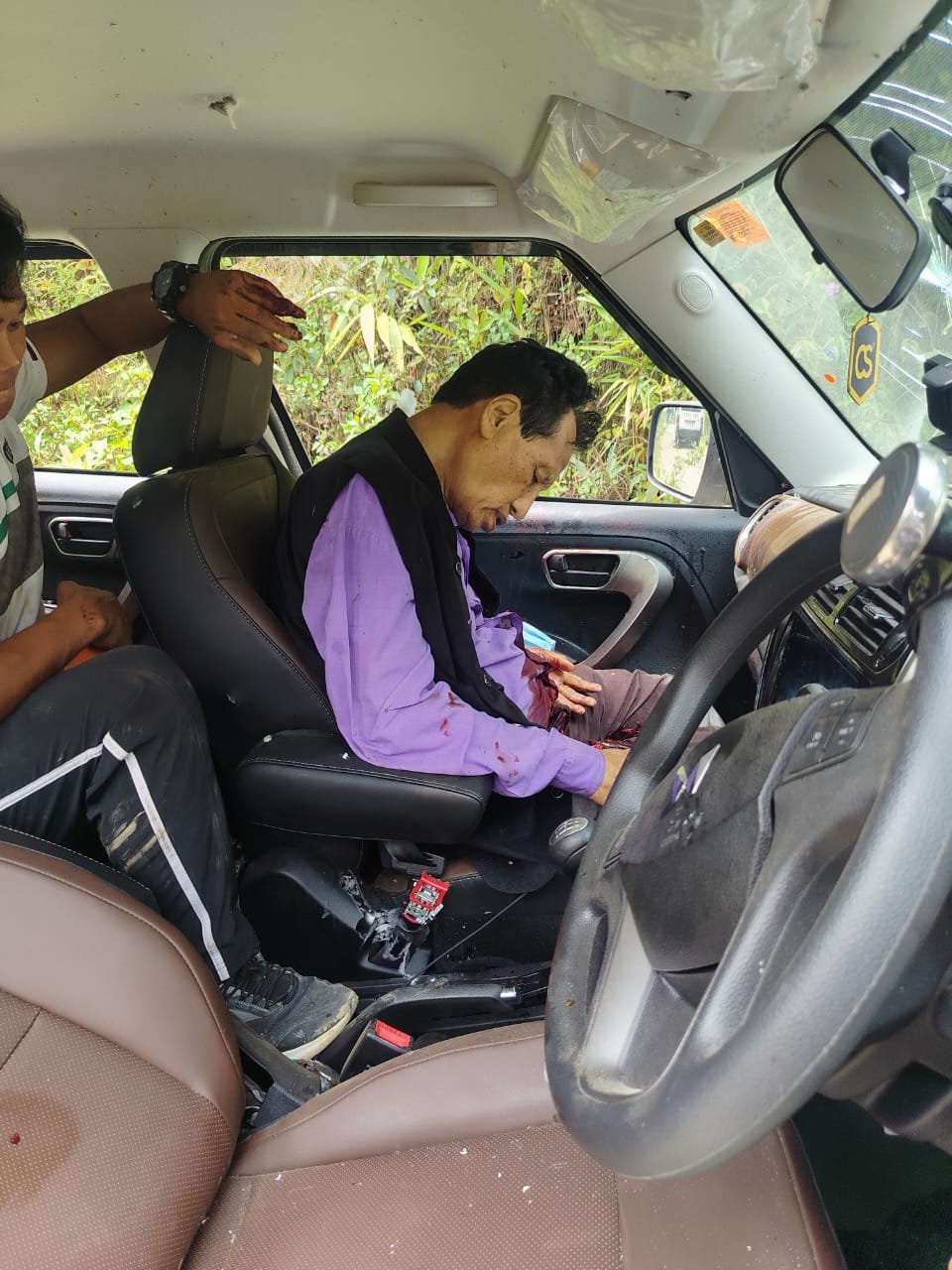
The attack claimed the lives of Rev. V. Sitlhou, Rev. Kaigoulen and Pastor Paogoulen, while several others sustained injuries. The victims were reportedly returning from a church peace meeting when their convoy came under fire along the Kangpokpi route.
READ: Who Killed The Kuki-Zo Pastors? The Disconnect Between Masses And MLAs
“This heinous and inhuman attack, allegedly perpetrated by suspected Naga militants, resulting in the tragic loss of innocent lives and injuries to several others, is an unforgivable act of violence against unarmed civilians and religious leaders who have tirelessly worked for peace, healing, and reconciliation amidst the ongoing suffering in Manipur,” the KNO and UPF said in the statement.
Calling the incident a “heinous and inhuman attack,” the KNO and UPF said the church leaders had been actively involved in efforts to promote peace, healing and reconciliation amid the continuing ethnic unrest in Manipur.
“This savage act reflects a dangerous disregard for human life and threatens to further destabilise an already fragile situation in the state,” the statement added.
The KNO and UPF said the targeting of church leaders and innocent civilians could never be justified under any circumstance and described the killings as “a direct assault on humanity, peace, and the sacred values of coexistence and civilisation.”
The statement comes amid growing outrage across Kuki-Zo civil society organisations, churches and tribal bodies, many of which have demanded an NIA probe into the killings.
The two SoO groups unequivocally denounced the violence and demanded an immediate, impartial and time-bound investigation into the ambush.
“Justice must not be delayed, diluted, or denied. The blood of innocent civilians and servants of God cries out for accountability,” the statement said.
At the same time, the KNO and UPF appealed to all communities and armed groups to exercise restraint and avoid retaliatory violence that could further inflame tensions in the conflict-hit state.
“Violence only deepens wounds and prolongs the suffering of our people. The path forward must be one of justice, dialogue, mutual respect, and peaceful coexistence,” the organisations said.
READ: Joint Statement of Condemnation by KNO and UPF
The statement also carried broader political significance because the KNO and UPF are signatories to the Suspension of Operations agreement signed with the Centre and the Manipur government. The SoO arrangement, first signed in 2008, remains one of the key security and political frameworks governing relations between Kuki armed groups and the the Centre.
Reaffirming their commitment to the agreement, the KNO and UPF said they remained dedicated to the protection of civilians, maintenance of peace and pursuit of a “just and honourable political solution through democratic means.”
The groups also expressed solidarity with the bereaved families, the Church and all those affected by the killings.
“We pray that Almighty God grants comfort to the grieving families, healing to the injured, and eternal peace to the departed souls,” the statement added.
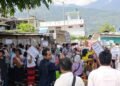
The killing of the church leaders has triggered widespread protests and candlelight vigils across Kuki-dominated hill districts including Churachandpur, Kangpokpi and Moreh, as well as among Kuki diaspora groups in Delhi and other cities.
Several Christian organisations across India and abroad have also condemned the attack, describing it as an assault on peace-building efforts and the sanctity of human life