The final figure represents a 6.33 per cent decline in the electorate following the exercise, which involved door-to-door enumeration, mapping of voters and scrutiny of entries flagged for discrepancies.
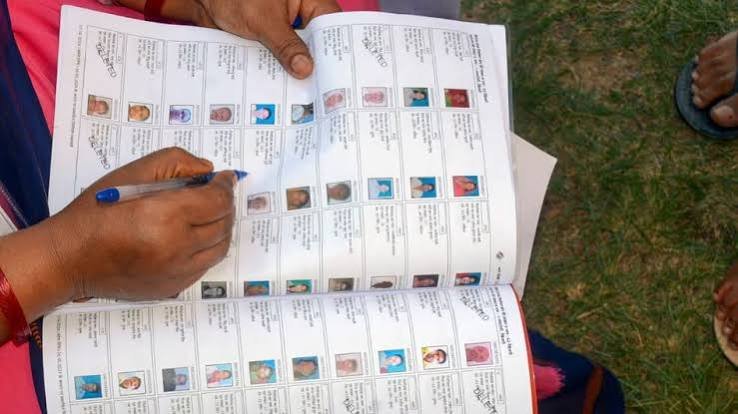
Chief Electoral Officer (CEO), Manipur, Arun Kumar Sinha, on Sunday announced the publication of the Final Electoral Rolls for all 60 Assembly constituencies, with the latest figures showing significant shifts in the electorate across several hill districts.
Kangpokpi recorded the sharpest decline, with the number of electors falling by 11,471 from 99,885 in the Draft Electoral Roll to 88,414 in the final list.
Senapati also registered a decline, though less pronounced, with its electorate dropping by 4,780 from 1,42,408 in the draft roll to 1,37,628 in the final roll.
The trend was reversed in other hill districts. Ukhrul recorded an increase of 5,292 electors, taking its electorate from 83,322 in the draft roll to 88,614 in the final list.
Churachandpur saw the largest increase among the hill districts, with 5,969 electors added between the draft and final rolls. Its electorate rose from 1,55,154 to 1,61,123.
The contrasting changes across the districts come after the completion of the Special Intensive Revision (SIR) of electoral rolls in Manipur ahead of the 2027 Assembly elections.
According to the Chief Electoral Officer, 1,58,677 electors whose enumeration forms were not returned were excluded from the draft rolls published on July 5. The draft contained 19,34,399 names.
Of those included in the draft, 18,43,221 electors were mapped either to themselves or as children of existing electors, while 91,178 remained unmapped.
READ: Manipur Census Pause: Politics Behind the Centre’s Decision
The Election Commission subsequently issued notices to the unmapped electors as well as 11,30,655 others whose records were flagged for what officials described as “logical discrepancies”. These included inconsistencies in parents’ names, implausibly narrow age gaps between parents and children, and records showing parents with more than six children.
Between July 5 and August 4, more than 96,000 claims and objections were received and processed. The exercise resulted in 56,871 additions and 30,650 deletions, taking the final electorate to 19,60,620.
Women constitute a larger share of the final electorate, with 10,06,962 women compared with 9,53,350 men. The rolls also include 308 third-gender electors.
There are 20,819 service voters, with July 1, 2026 serving as the qualifying date for the electoral roll.
Manipur was among 19 States and Union Territories covered in the third phase of the nationwide revision exercise. Bihar underwent the first phase in 2025, while the second phase later that year and into early 2026 covered 12 other States and Union Territories, including West Bengal, Uttar Pradesh and Tamil Nadu.
The revision has been politically contentious, with critics warning that the exercise could result in genuine voters being excluded from the rolls and potentially influence the electoral outcome.
The Election Commission, however, has maintained that the revision is aimed at ensuring accurate and updated electoral rolls by identifying duplicate, incorrectly mapped, ineligible or otherwise defective entries while providing an opportunity for eligible voters to file claims and objections.
With the final rolls now published, the scale of the reduction is likely to remain a major political issue in Manipur, particularly as the State heads towards Assembly elections in 2027.