Delhi-NCR has imposed GRAP Stage III restrictions as air pollution worsens ahead of Diwali on November 8. The curbs target construction activity, older vehicles and industrial operations across the national capital region.
BY PC Bureau
New Delhi: Delhi-NCR has moved to Stage III of the Graded Response Action Plan (GRAP), bringing tougher restrictions on construction activity and the movement of older vehicles as air pollution worsens ahead of Diwali on November 8.
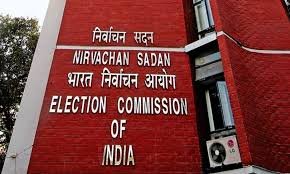
The Commission for Air Quality Management (CAQM) had invoked Stage II on November 2 after Delhi’s Air Quality Index (AQI) entered the “very poor” category. By November 6, the city’s overall AQI was hovering between 369 and 389, while several monitoring stations recorded readings above 400, placing them in the “severe” category.
The escalation to Stage III adds to the restrictions already imposed under the first two stages of GRAP. It comes amid forecasts of continued very poor to severe air quality, with unfavourable weather conditions limiting the dispersal of pollutants.
The India Meteorological Department (IMD) and the Indian Institute of Tropical Meteorology (IITM) have warned of continued adverse conditions. Weak winds and a stable atmosphere are contributing to the accumulation of pollutants. Stubble-burning emissions from neighbouring states and additional festive activity could further worsen the situation.
READ: Fuel Shock: Karnataka Reports Ethanol Levels of Up to 31.2% in Petrol
What GRAP Stage III Restrictions Mean
Stage III of GRAP is triggered when air quality reaches the “severe” category, with an AQI between 401 and 450. Its measures are imposed in addition to those under Stages I and II.
The key restrictions include:
- Construction and demolition: Non-essential dust-generating construction and demolition activities are prohibited across the NCR. These include excavation, piling, masonry, road construction and related work. Exemptions apply to specified essential projects involving railways, Metro services, airports, hospitals, water supply, sanitation, national security and other projects of national importance.
- Vehicle restrictions: BS-III petrol and BS-IV or older diesel four-wheelers face restrictions in Delhi and designated high-vehicle-density NCR districts, including Gurugram, Faridabad, Ghaziabad, Gautam Buddh Nagar and Sonipat.
- Goods vehicles: Restrictions also apply to certain older diesel goods vehicles, including diesel-operated BS-IV and below light and medium goods vehicles registered outside Delhi.
- Industrial activity: Operations at stone crushers and mines face restrictions, while certain industrial activities are subject to tighter pollution-control requirements.
- Schools and offices: Authorities may consider shifting classes up to Class V to hybrid mode, allowing students to attend either physical or online classes. A reduction in physical attendance at government and private offices may also be considered.
GRAP Stage I and II Measures Continue
The restrictions under GRAP Stage III do not replace those imposed earlier. Measures under Stages I and II continue across Delhi-NCR.
These include intensified mechanical road sweeping and water sprinkling, the use of dust suppressants, stricter enforcement against open waste burning and construction dust, and higher parking fees to discourage private vehicle use.
The use of coal and firewood in commercial eateries, including tandoors, is also restricted. Diesel generator sets are subject to tighter controls, with exemptions for specified essential services.
Separate winter-season restrictions, effective from November 1, regulate the entry of certain non-BS-VI vehicles registered outside Delhi. Specified categories, including CNG and electric vehicles, are exempt subject to applicable conditions.
Separate Precautionary Measures for November
CAQM has also directed precautionary measures for November 5–20, covering the period around Diwali. These include restrictions on dust-generating outdoor construction and demolition work and a 50% cap on physical attendance in offices in Delhi and selected neighbouring districts.
These directions are separate from the restrictions under GRAP and are intended to limit pollution during the season when air quality traditionally deteriorates.
Stubble Burning and Weather Add to Pollution Burden
Delhi’s AQI rose sharply from around 117 on October 31 to the poor and very poor categories within days. Unfavourable meteorological conditions have restricted the dispersal of pollutants, while stubble burning in Punjab and Haryana remains a contributing factor. The precise contribution of farm fires to Delhi’s pollution levels, however, varies with weather conditions.
The Supreme Court has permitted the use of certified green crackers during specified periods around Diwali. Even so, emissions from festive activities could add to the existing pollution burden.
Residents have reported breathing discomfort, eye irritation and heavy smog, particularly during the morning hours. Authorities have deployed water sprinklers and mechanical road sweepers, intensified vehicle checks at borders and urged people to use public transport.
Authorities Step Up Monitoring
Health advisories have urged residents to limit prolonged outdoor activity, particularly children, older people and those with respiratory conditions. People who must spend time outdoors have been advised to consider N95 masks and monitor local AQI readings.
CAQM and state agencies are expected to intensify enforcement of the restrictions. Commuters, construction agencies, schools and offices have been advised to follow updates from CAQM, the Central Pollution Control Board and the Delhi Traffic Police as pollution levels remain a concern through the Diwali period.