Tabout he US lawmakers asked Rubio to raise question the transparency of India’s voter-roll revision exercise, citing concerns over alleged mass deletions and the potential disproportionate impact on Muslims and other minorities.
BY PC Bureau
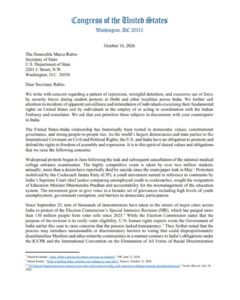
October 17, 2026: Six Democratic members of the US Congress have urged Secretary of State Marco Rubio to raise concerns over alleged repression, arbitrary detentions and excessive use of force against student protesters in India during his upcoming visit to the country.
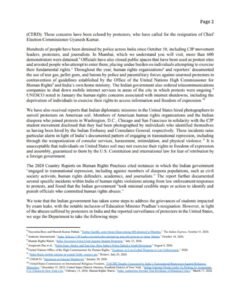
In a letter dated October 16, Representatives James P. McGovern, Jesús G. “Chuy” García, Rashida Tlaib, Pramila Jayapal, Eleanor Holmes Norton and Ilhan Omar asked Rubio to make human rights and democratic freedoms a priority in his discussions with Indian officials.
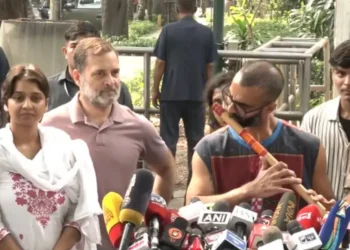
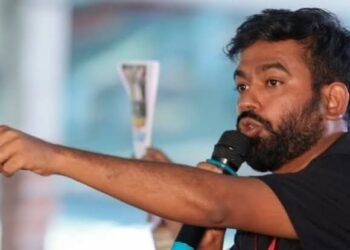
The letter highlights the protests led by the Cockroach Janata Party (CJP), a youth movement that emerged following the leak and cancellation of the national medical college entrance examination. The movement subsequently broadened its demands to include youth unemployment, alleged government corruption and barriers to democratic participation.
The lawmakers said the movement’s name refers to remarks by India’s Chief Justice comparing unemployed young people to cockroaches.
SIR and alleged voter-roll deletions
The six lawmakers also raised concerns over demonstrations against the Election Commission of India’s Special Intensive Revision (SIR) of electoral rolls. According to the letter, more than 130 million people have been removed from voter rolls since 2025.
Citing concerns raised by UN human rights experts, the representatives questioned the transparency of the exercise and warned of its potential disproportionate impact on Muslims and other minority communities. Protesters have also demanded the resignation of Chief Election Commissioner Gyanesh Kumar.
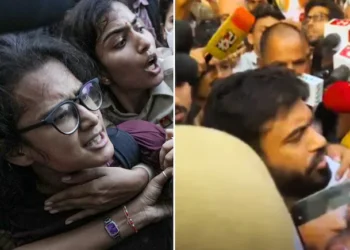
The letter said hundreds of people, including CJP leaders, demonstrators and journalists, had been detained since October 10. It specifically cited the detention of more than 600 demonstrators in Mumbai, one of the cities Rubio is scheduled to visit.
The lawmakers further referred to reported restrictions on protest venues, the alleged use of tear gas, pellet guns and batons, and internet shutdowns during the demonstrations.
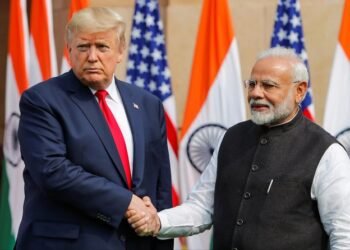
Their intervention places India’s handling of the protests on the agenda ahead of Rubio’s meetings with senior Indian officials, even as the two countries seek to deepen their strategic and economic partnership.
Concerns over surveillance on US soil
A particularly sensitive issue raised in the letter concerns reports that Indian diplomatic missions in the United States hired photographers to monitor protesters demonstrating in solidarity with CJP in Washington, DC, Chicago and San Francisco.
The lawmakers described the allegations as troubling in light of previous US government findings concerning transnational repression attributed to India.
They urged the State Department to investigate the reported surveillance of protesters on American soil, raising questions about the protection of free expression and assembly beyond India’s borders.
READ: Analysis: If All Anti-SIR Protests Are One, Where Is Rahul Gandhi?
Four demands to Rubio
The representatives called on Rubio and the State Department to pursue several measures during the visit.
These include pressing for thorough, transparent and independent investigations into alleged human rights violations linked to the police response; encouraging the release of people detained for peacefully exercising their rights to freedom of expression and assembly; and investigating reports that Indian diplomatic missions monitored protesters in the United States.
They also asked the administration to assess, under the Arms Export Control Act, whether India had engaged in a consistent pattern of intimidation or harassment against individuals in the United States that could affect its eligibility for arms sales.
The letter acknowledged steps taken by the Indian government in response to grievances surrounding the examination controversy, including the resignation of Education Minister Dharmendra Pradhan.
“We ask that you use the occasion of your visit to raise these issues of great mutual concern to our two peoples,” the lawmakers wrote.
They framed their appeal around shared democratic values and obligations under the International Covenant on Civil and Political Rights, which protects fundamental freedoms, including expression and peaceful assembly.
Rubio’s India visit
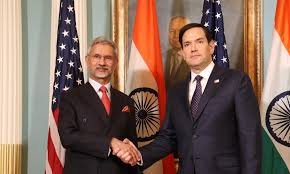
Rubio is scheduled to visit Mumbai and Jamnagar from October 17 to 22. His itinerary is expected to include meetings with senior Indian officials, including External Affairs Minister S. Jaishankar, with discussions focused on the strategic partnership, energy cooperation and economic ties.
The congressional intervention could add a human rights dimension to an agenda otherwise centred on bilateral cooperation.
Indian officials have previously rejected similar criticism of the SIR process by some of the same lawmakers, describing such interventions as unwarranted interference in India’s internal affairs.
The latest letter therefore sets up a familiar tension in US-India relations: Washington’s stated commitment to democratic freedoms and human rights on one side, and New Delhi’s insistence that electoral processes and domestic law-enforcement matters fall within India’s sovereign jurisdiction on the other.
Whether Rubio raises the concerns during his meetings remains to be seen. The letter makes clear, however, that at least six Democratic lawmakers want the treatment of Indian protesters—and allegations of surveillance of demonstrators in the United States—to feature in the diplomatic conversation.