BY PC Bureau
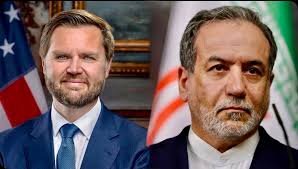
April 16, 2026 — Pakistan’s Foreign Ministry has clarified that no date has been finalised for the next round of direct negotiations between Iran and the United States, even as diplomatic efforts continue to revive stalled talks and sustain a fragile ceasefire.
This comes amid ongoing backchannel engagement led by Islamabad, with senior officials working to bridge differences between Tehran and Washington after marathon negotiations in Islamabad failed to yield a breakthrough despite lasting over 21 hours.
A spokesperson for Pakistan’s Foreign Ministry emphasised that while both sides remain in contact through indirect channels, “no date has been set” for a fresh round of in-person talks.
Iran media reports quoted him as saying that while Iran and the United States have made some progress toward an agreement to end weeks of conflict, major differences remain even as the two-week ceasefire passes its midpoint—particularly over Tehran’s nuclear ambitions.
The reprots said a visit by Pakistan’s army chief Field Marshal Asim Munir to Tehran on Wednesday had helped reduce differences in some areas, increasing hopes for an extended ceasefire and renewed talks between Tehran and Washington.
“The trip of the Pakistani army chief to Tehran was effective in reducing differences in some areas, but fundamental disagreements still remain in the nuclear field…. More hopes have been created for extending the ceasefire and holding a second round of talks,” the senior official said.
“The fate of Iran’s highly enriched uranium and the duration of Iran’s nuclear restrictions are among the highly disputed issues for which no solution has yet been found.”
For all the latest headlines, follow our Google News channel online or via the app.
Pakistan’s foreign ministry has also emphasized that peace in Lebanon is essential for broader talks, noting that Lebanon remains part of the ceasefire currently in effect.
The clarification follows recent high-level visits to Tehran by Asim Munir and Mohsin Naqvi, seen as part of Islamabad’s push to restart dialogue. The earlier Islamabad talks—among the most significant direct engagements since the 1979 Islamic Revolution—focused on contentious issues including Iran’s nuclear programme, sanctions relief, security guarantees, and control of the Strait of Hormuz.
Despite some progress, major differences remain, particularly over uranium enrichment limits and navigation rights in the strategic waterway, which has become a key flashpoint in the conflict.
READ: Iran Threatens to Take US Troops Hostage in Hormuz Standoff
READ: FIFA Chief Confirms Iran’s Participation in 2026 World Cup
U.S. President Donald Trump has expressed optimism about a possible second round of talks, suggesting they could take place soon and potentially again in Pakistan. However, Pakistani officials have urged caution, stressing that both sides must first uphold the provisional ceasefire, which is under strain and nearing expiry.
Pakistan continues to position itself as a neutral facilitator, with Foreign Minister Ishaq Dar reaffirming Islamabad’s commitment to supporting dialogue and preventing further escalation.
Analysts warn that the window for diplomacy is narrowing as the ceasefire deadline approaches, with unresolved gaps still hindering progress. While channels of communication remain open, no immediate breakthrough appears imminent, leaving the process uncertain but ongoing.