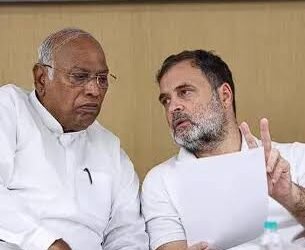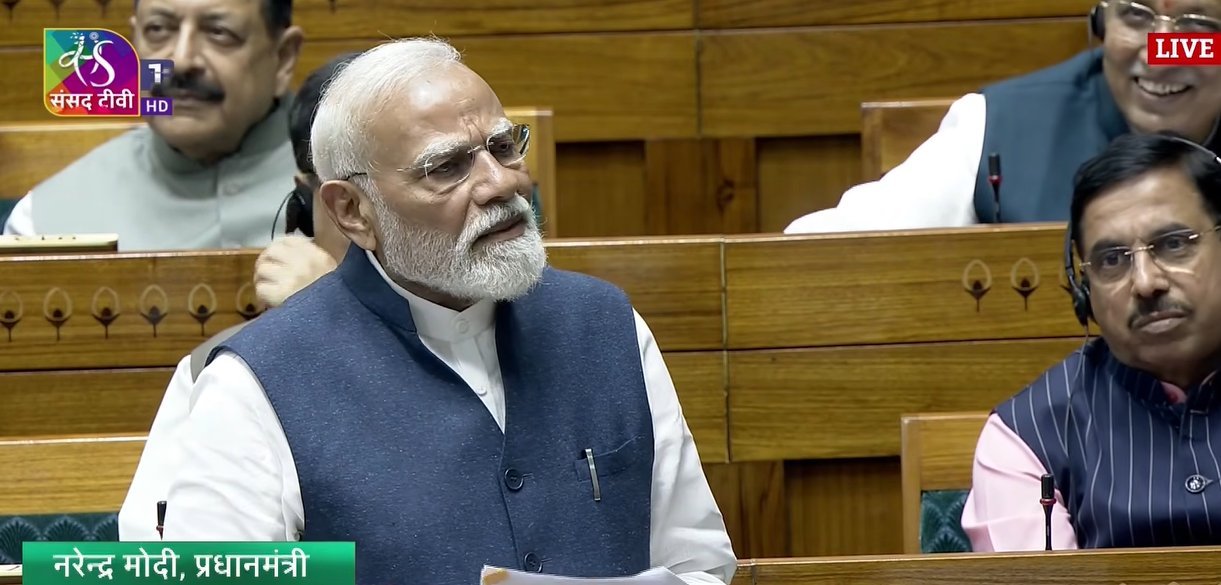
PM Modi described the bill as a historic, long-overdue reform aimed at increasing women’s participation in decision-making at the highest levels.
BY PC Bureau
New Delhi, April 16, 2026: Prime Minister Narendra Modi on Thursday sought to allay concerns from opposition parties and southern states, assuring that the Women’s Reservation Bill and the proposed delimitation exercise will be implemented in a fair and non-discriminatory manner.
Addressing the Lok Sabha, Modi emphasised that his government views the country as a unified whole. “We see India as one, not in parts,” he said, giving a categorical assurance that no state or region would be disadvantaged. “The bill won’t do injustice to anyone. There will be no discrimination against any state,” he added.
The reassurance comes amid growing concerns—particularly from southern states—that the upcoming delimitation exercise, which is expected to increase the total number of Lok Sabha seats, could reduce their relative representation. These fears stem from the fact that states which have successfully controlled population growth may see fewer additional seats compared to more populous regions.
पिछले 25–30 वर्षों में जमीनी स्तर पर पंचायती चुनाव जीतकर आई महिलाओं में राजनीतिक जागरूकता बढ़ी है। वे अब ओपिनियन मेकर के रूप में उभर रही हैं। जमीनी स्तर पर 30 वर्ष पहले वे अपेक्षाकृत शांत रहती थीं।#LokSabha में प्रधानमंत्री नरेन्द्र मोदी.#loksabha #ParliamentSession… pic.twitter.com/vdh9wnr7MT
— SansadTV (@sansad_tv) April 16, 2026
READ: Iran Threatens to Take US Troops Hostage in Hormuz Standoff
READ: FIFA Chief Confirms Iran’s Participation in 2026 World Cup
Describing the Women’s Reservation Bill as a landmark step, the Prime Minister called it a long-pending reform in India’s democratic journey. He noted that the idea had been discussed for nearly three decades and should ideally have been implemented much earlier. “This is an idea that is nearly 30 years too late,” he said, adding that had it been introduced earlier, it would have evolved and matured over time through democratic processes.
Modi framed the moment as historically significant, saying that certain decisions, when taken at the right time, become part of a nation’s enduring legacy. “In the life of a nation, there are defining moments when the collective mindset of society and decisive leadership come together to shape history. This is one such moment in India’s parliamentary journey,” he said.
He also underlined that the move is not politically motivated but aimed at strengthening democratic participation. Warning critics, Modi said opposition to the bill could have long-term political consequences, especially given the growing base of women leaders at the grassroots level over the past two decades. He stressed that their contributions now deserve institutional recognition at higher levels of governance.
Linking the initiative to his broader vision of a developed India, Modi said true progress must include inclusive decision-making. “Development is not just about infrastructure or economic growth. It must reflect ‘Sabka Saath, Sabka Vikas’. Fifty percent of the population must have a role in policymaking,” he said, underscoring the need to bring more women into legislative spaces.
The remarks came during a special parliamentary session debating amendments to operationalise 33% reservation for women in the Lok Sabha and state assemblies, likely to take effect from the 2029 general elections. The proposed changes are also tied to a broader delimitation exercise that will redraw constituency boundaries and expand the total number of seats, making it one of the most consequential electoral reforms in recent decades.
As the debate continues, the government’s assurances aim to ease regional anxieties while pushing forward what it describes as a transformative step for India’s democratic framework.