Kuki-Zo organisations are bound to allege selective treatment since their demands for an NIA probe into the alleged abduction of 14 Kuki civilians have not received similar attention.
BY Navin Upadhyay
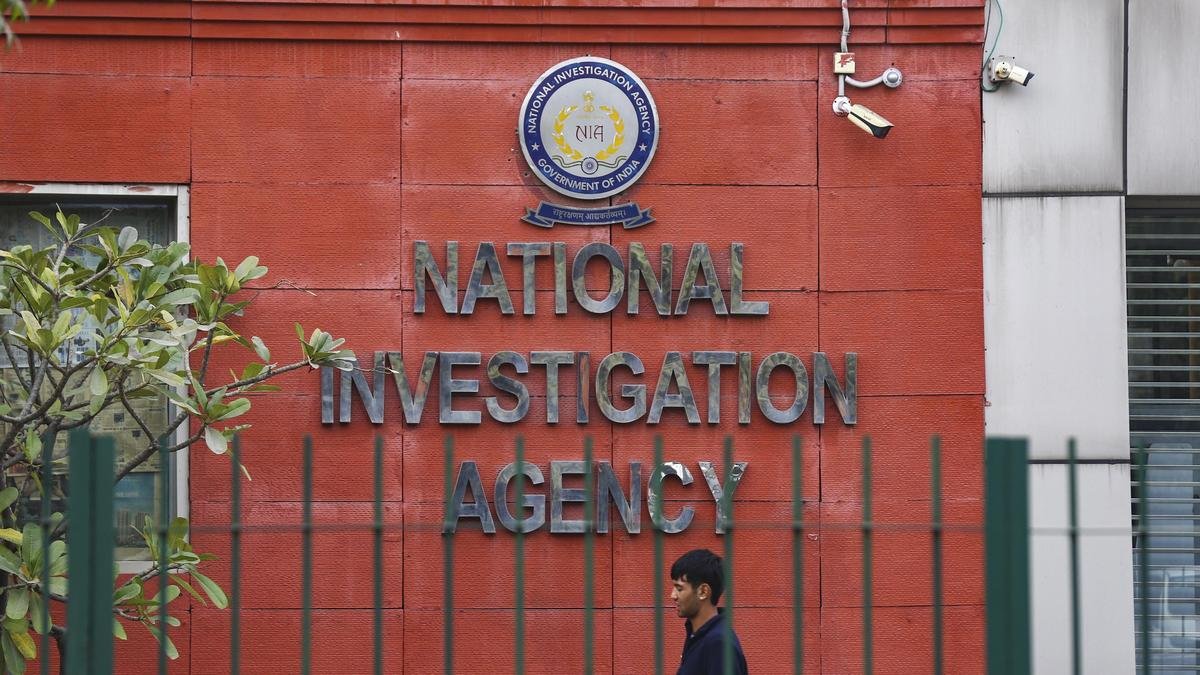
However, the move is likely to trigger allegations of selective response from Kuki-Zo organisations, which argue that their repeated demands for an NIA probe into the alleged abduction of 14 Kuki civilians have not received similar official attention. The controversy is also expected to deepen mistrust between communities as security forces continue search operations and negotiations for the release of missing civilians.
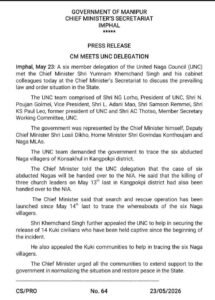
Critics argue that the high-profile NIA referral for the missing Naga villagers came after direct intervention by the United Naga Council (UNC), while demands from Kuki groups for similar investigations into earlier incidents — including the alleged abduction of 14 Kuki civilians — have either been delayed or not formally announced.
READ: White House Shooter Claimed He Was Jesus Reincarnate
READ: France Bans Israeli Minister Over Treatment of Gaza Flotilla Activists
Some observers also noted that official statements and media coverage focused primarily on the missing Naga villagers, while references to the alleged Kuki hostages were framed more as appeals for community cooperation rather than matters warranting a parallel central probe.
Kuki organisations and commentators further pointed to what they describe as a historical pattern in which cases involving Naga or other non-Kuki victims allegedly receive quicker institutional responses, including NIA referrals, compared to incidents involving Kuki victims.
Counter-Arguments and Context
Government officials and some independent observers rejected claims of selective treatment, noting that the murder of the three Kuki church leaders had already been handed over to the NIA before the May 23 UNC meeting.
Officials also pointed out that the Chief Minister explicitly acknowledged the alleged captivity of 14 Kuki civilians during the discussions and publicly appealed for their release.
Observers familiar with ethnic conflicts in Manipur noted that hostage situations in the hill districts are often addressed simultaneously through formal security operations and informal community negotiations, particularly when both sides accuse each other of holding civilians.
Current Situation
As of May 24, 2026, the six missing Naga men remain untraced, with unverified reports and fears circulating that they may have been killed.
Kuki organisations continue to demand the release of the 14 civilians they claim remain in Naga custody and have organised shutdowns and protests in parts of the hill districts.
Security forces are continuing search operations in sensitive areas, while tensions remain high amid protests, blockades and competing narratives from both communities.
The developments have added another volatile dimension to the broader ethnic conflict in Manipur, which since 2023 has largely centred on tensions between Meitei and Kuki groups but is now also witnessing renewed Naga-Kuki friction in several hill regions.
Broader Implications
The episode has highlighted the deep trust deficit between communities and state institutions in Manipur.
While the involvement of the NIA signals increased central scrutiny and could strengthen accountability mechanisms, perceptions of selective justice risk further aggravating ethnic tensions and cycles of retaliation.
Observers say the situation requires transparent, impartial and simultaneous action in all cases involving abductions, killings and hostage claims, regardless of community affiliation.
Recommendations for De-escalation
• Transparent and time-bound updates from the government and NIA on all missing persons cases
• Simultaneous and impartial investigations into abductions and killings involving all communities
• Enhanced security coordination and community-level confidence-building measures
• Immediate and unconditional release of all remaining civilians held by any group
Background of the Incident
On May 13, 2026, three Kuki Baptist church leaders — Rev. Vumthang Sitlhou, Rev. Kaigoulun Lhouvum and Pastor Paogoulen Sitlhou — were killed in an ambush in Kangpokpi district, Manipur. The killings triggered immediate retaliatory violence and a series of abductions involving members of the Naga and Kuki-Zo communities across Kangpokpi and Senapati hill districts.
In the hours and days that followed, reports indicated that armed groups abducted dozens of civilians from both communities, with estimates ranging between 30 and 40 people in total.
Naga civil society groups alleged that around 18 to 20 Naga civilians — including women, children and pastors — were abducted by suspected Kuki militants from areas such as Leilon Vaiphei village and Konsakhul in Kangpokpi district.
Meanwhile, Kuki organisations, including Kuki Inpi Manipur (KIM), claimed that 14 Kuki civilians had been abducted and held by Naga groups or village volunteers in retaliation.
By mid-May, community negotiations, interventions by civil society groups and security force operations reportedly led to the release of many hostages. Around 28 to 31 civilians from both sides — including women and children — were freed. However, six Naga men, including at least two pastors, remained missing, while Kuki organisations continued to maintain that their 14 civilians were still in captivity.