



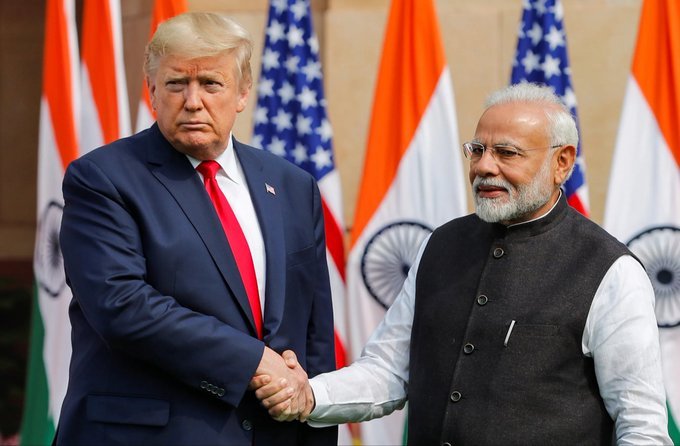
India and China have received temporary relief from the threat of steep US tariffs linked to Russian oil purchases after President Donald Trump suspended key provisions of the Graham Act.
BY PC Bureau
New Delhi, October 17, 2026: India and China have secured a reprieve from the threat of steep US tariffs linked to their purchases of Russian oil and gas after President Donald Trump waived the application of key sanctions under a new law targeting Russia’s energy trade.
In an executive order issued late Friday, Trump invoked the waiver provisions of the Lindsey O. Graham Sanctioning Russia and Iran Act of 2026, suspending the application of the law’s sanctions, restrictions and duties. The measures were due to take effect around October 18, raising the prospect of a sharp escalation in trade tensions with major importers of Russian energy.
“I am hereby waiving the application of such sanctions, restrictions, and duties provided for in the Graham Act,” Trump said in the order, adding that he had submitted a certification to Congress stating that the waiver was in the national interest of the United States.
The suspension covers key provisions of the law, including punitive tariffs targeting major importers of Russian-origin crude oil and natural gas that continue making new purchases after the stipulated deadline. It also covers most of the Act’s mandatory sanctions against Russian-linked individuals and entities.
The reprieve will remain in place until the President Trump or Secretary of State determines that further action is necessary, leaving Washington with the option of reactivating the measures.
READ: Trump Fires Katie Zacharia After Just Five Days as Press Secretary
India escapes fresh tariff pressure
For India, Trump’s decision averts the immediate threat of an additional 100 per cent tariff on goods entering the US market under the law’s provisions targeting major buyers of Russian energy.
The threatened duties could have compounded existing US tariff pressures on Indian exports, potentially affecting exporters and businesses already navigating uncertainty over bilateral trade arrangements.
New Delhi has consistently defended its purchases of Russian crude on the grounds of national energy security, arguing that sourcing decisions must reflect market conditions and the needs of its 1.4 billion people.
During discussions over the legislation last month, India’s Ministry of External Affairs reiterated the country’s commitment to ensuring energy security and said the implications of its Russian oil trade for bilateral relations and global energy markets had been conveyed to US interlocutors.
India has also maintained that diversified energy sourcing is essential to keeping supplies stable and costs manageable. The latest waiver gives New Delhi temporary relief from the prospect of another tariff escalation with Washington over its energy trade with Moscow.
Trump waives key sanctions and tariffs under the new Russia sanctions law.
The law threatened steep tariffs on countries buying Russian oil, putting India at risk because it remains a major buyer of Russian energy.
Trump cited US national interests for granting the waiver, offering India potential relief from additional tariff pressure.
— Karan Singh Arora (@thisisksa) October 17, 2026
China also benefits from Trump’s reprieve
China, another major buyer of Russian crude, has likewise escaped the immediate threat of punitive US tariffs tied to continued purchases of Russian energy.
Beijing has consistently maintained that its energy imports are commercial decisions and has criticised the use of unilateral sanctions to influence the trade policies of other countries.
The suspension removes an immediate source of friction in US-China relations, which have already been marked by disputes over tariffs, trade restrictions and strategic competition.
Had the measures taken effect, Chinese exports to the United States could have faced an additional 100 per cent tariff under the law’s provisions targeting major importers of Russian-origin energy.
The waiver therefore provides both Asian economies with temporary breathing room while avoiding an immediate escalation over their continued energy links with Russia.
Trump retains the option to reinstate sanctions
Despite the reprieve, the executive order does not eliminate the tariff provisions or repeal the underlying legislation. The administration retains the authority to reconsider the waiver and implement the measures if it determines that circumstances warrant further action.
The law also provides for tariffs of up to 500 per cent on Russian goods and additional duties targeting entities accused of facilitating the evasion of sanctions on Russian oil. The order does not remove all existing Russia-related restrictions imposed under earlier executive actions.
The decision comes amid pressure from bipartisan lawmakers in Washington for the administration to implement the new sanctions framework fully. Members of the US House of Representatives had urged the White House to enforce the law ahead of the deadline.
Trump’s move uses the waiver authority built into the legislation, allowing the administration to suspend key penalties while retaining the option of applying them later.
For India and China, the immediate outcome is a reprieve from potentially damaging trade measures. Whether that relief translates into a longer-term easing of US pressure on Russian energy purchases will depend on Washington’s subsequent decisions.
The full executive order is available on the White House website.







Comments 1