Calling the theme “System vs Students”, Rahul Gandhi urged young people to keep questioning institutions, while students shared complaints over recruitment, reservation and examination irregularities.
BY PC Bureau
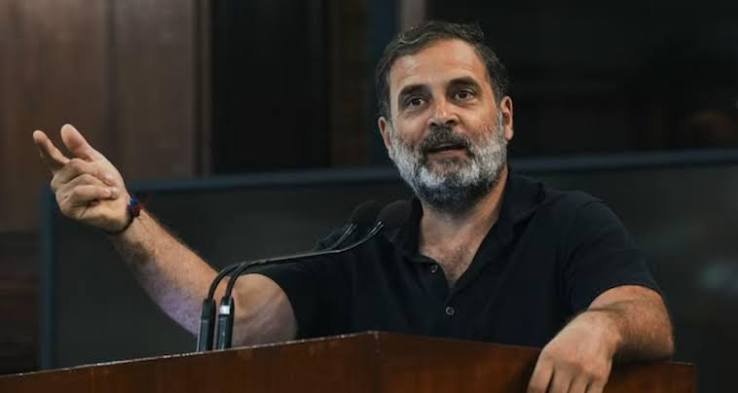
Indore, September 19, 2026: Leader of the Opposition in the Lok Sabha Rahul Gandhi on Saturday interacted with students and young people at the fifth edition of his “Chhatron Ki Goonj” (Echo of Students) programme in Indore, focusing on problems in the education system, paper leaks, recruitment delays, unemployment, rising education costs and what he described as a clash between “the system” and questioning youth.
The programme was held at the IDA ground opposite Regional Park, which Congress named Bharat Jodo Maidan, after the party shifted away from its proposed venue at Jawaharlal Nehru Stadium. The event was eventually permitted subject to 31 security conditions, including arrangements for CCTV cameras, volunteers, entry and exit points and restrictions on drones and parking.
The ground had arrangements for around 15,000 students, according to local reports, while Congress had claimed around 1.5 lakh registrations ahead of the event. The party had also planned live screenings of the programme at locations across Madhya Pradesh.
Gandhi framed the central theme as “System vs Students.” He said students represent India’s future and described questioning and curiosity as their natural strengths. He argued that institutions should respond to students’ concerns rather than treat questions as a threat.
He also used the term “andhbhakt” (blind devotee) while criticising what he portrayed as a system that prefers unquestioning citizens over young people who challenge problems such as poor infrastructure, examination irregularities and unemployment.
LIVE: LoP Shri @RahulGandhi | Chhatron Ki Goonj | Indore, Madhya Pradesh https://t.co/5di4TkKQKh
— Congress (@INCIndia) September 19, 2026
Several students shared their experiences during the interaction.
An MBBS student raised the prolonged delay in recruitment in Madhya Pradesh, saying candidates had appeared for preliminary and main examinations but appointments had remained pending because of a reservation-related legal dispute. The controversy involves the state’s decision to increase OBC reservation from 14% to 27%; the issue remains before the courts, while appointments to a portion of posts have been held up.
Other students complained of a lack of transparency and alleged irregularities in examinations and recruitment. A student from Dewas spoke about facing an FIR and jail after raising allegations concerning the MPPSC recruitment process, while Sapna Gurjar from Rajgarh raised the issue of reservation and appointments.
READ: Gen Z Effect? ABVP Holds DUSU, But Margins Shrink Sharply
Gandhi said he recognised that candidates could also make mistakes, but argued that repeated controversies had weakened students’ confidence in the examination system. He also spoke about education costs, shortage of hostel facilities, academic pressure and what he described as the capture of institutions.
The Indore programme is the fifth edition of the Congress-led “Chhatron Ki Goonj” outreach initiative, which has previously been held in Kota, Dehradun, Prayagraj and Pune. Gandhi had invited students and young people to submit their concerns ahead of the Indore interaction, describing the education system as “broken” and saying he wanted to hear directly about the obstacles affecting their studies and careers.
The programme had also generated political controversy before Gandhi’s arrival. The venue issue, security conditions and allegations involving coaching centres became subjects of a political exchange between Congress and the BJP. Congress alleged that coaching-centre operators were being pressured to take responsibility for students attending the event, while police maintained that the measures were part of security arrangements for Gandhi.
Gandhi urged students to continue asking questions about education, jobs and public institutions, presenting their collective voice as an important force for demanding greater transparency and accountability.
The interaction combined individual accounts of recruitment and examination problems with Gandhi’s broader political criticism of the functioning of institutions at both the state and national levels.