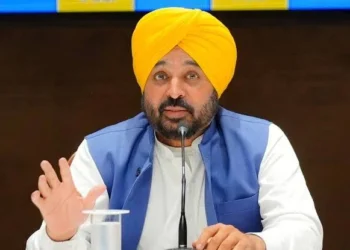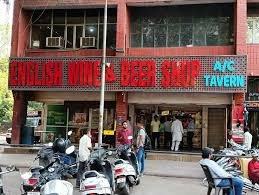
Approved by LG VK Saxena, the policy introduces major reforms such as new retail vends, simplified licensing, and expanded availability across remote districts.
BY PC Bureau
Leh, May 30: The Lieutenant Governor of Ladakh, VK Saxena, has approved a new Excise Policy aimed at reforming the Union Territory’s liquor regulation framework, improving transparency, boosting tourism, and addressing concerns over rising drug abuse linked to limited availability of regulated alcohol.
According to the administration, the policy has been introduced in response to growing concerns about increasing dependence on narcotics and illicit substances, which officials partly attribute to restricted access to authorised liquor outlets in the region.
The new framework seeks to modernise the excise system through liberalisation, digitisation, and simplified licensing procedures, while maintaining strict regulatory oversight. Authorities said the reforms aim to balance public convenience, revenue generation, tourism promotion, and enforcement against illegal trade.
Stakeholder Consultations and Policy Formation
The policy follows extensive consultations with civil society groups, religious organisations, NGOs, public representatives, and government officials. Stakeholders had raised concerns about drug abuse and the circulation of smuggled and spurious liquor, with some recommending broader availability of regulated alcoholic beverages.
A committee of officials was subsequently formed to draft the revised policy, focusing on reducing illicit trade, improving revenue collection, streamlining licences, and strengthening enforcement mechanisms.
Officials also noted that earlier restrictions had created what they described as an “artificial scarcity” of liquor in Ladakh, prompting tourists to bring alcohol from outside the Union Territory and resulting in revenue losses.
READ: Hundreds Injured, Mass Arrests in Paris Football Riots
Key Reforms Introduced
Under the new policy, several major changes have been approved:
- Sale of hard liquor, including Indian Made Foreign Liquor (IMFL) and foreign liquor, will now be allowed at retail vends. Previously, only beer, wine, and ready-to-drink beverages were permitted.
- Liquor availability will be expanded to new districts, including Nubra, Changthang, Sham, and Zanskar, beyond Leh.
- Twenty new retail liquor vends will be set up through e-auction, compared to only two earlier.
- Consumption of alcohol will now be permitted within hotel rooms and premises, whereas earlier it was restricted to designated bars.
- Guest houses and homestays will also be allowed to serve liquor upon obtaining licences, extending permission beyond hotels.
- Beer bars with micro-breweries will be introduced in Ladakh for the first time.
- Excise duty structures have been rationalised, with a uniform duty framework introduced to simplify taxation.
- A fixed excise duty of ₹500 per litre of pure alcohol (LPL) has been set for IMFL brands.
Simplified Licensing and Regulatory Changes
The policy significantly reduces compliance requirements, cutting the number of documents needed for liquor licences from 16 to 6. These include PAN, Aadhaar, incorporation documents, premises blueprint, GST/FSSAI/tourism registration (as applicable), and compliance with excise rules.
The requirement for approval or “opinion” from district administration has also been removed to speed up licensing.
Tourism-related restrictions have been eased, with GST registration now sufficient for most establishments to obtain licences.
Manufacturers will also be permitted to handle wholesale distribution, a move expected to improve supply chains and brand availability.
Revenue and Operational Reforms
The wholesale licence fee has been increased from ₹3.5 lakh to ₹5 lakh annually. Base prices for retail vends have been revised to ₹60 lakh in Leh municipal areas and ₹30 lakh in other regions. Retailers’ profit margins have been reduced from 12% to 10%.
Authorities said these measures are designed to optimise excise revenue while ensuring wider availability of regulated liquor.
Enforcement and Public Safeguards
The policy includes stricter enforcement provisions, including cancellation of licences and forfeiture of deposits for selling liquor above MRP. Security holograms will be mandatory on all liquor products to prevent tax evasion and improve traceability.
Environmental provisions have also been introduced, prohibiting the sale of liquor in plastic bottles and allowing only glass bottles, PET containers, and tin cans.
Licences will also require retailers to employ staff aged above 21 years, a measure the administration says will generate employment opportunities.
Additionally, strict distance norms have been maintained, requiring liquor outlets to be located at least 100 metres away from religious places, schools, hospitals, and public parks.
Lieutenant Governor VK Saxena said the policy establishes a “balanced and pragmatic framework” that strengthens regulation, supports tourism, and curbs illegal liquor trade while addressing concerns over substance abuse.
He reiterated the administration’s commitment to transparency, accountability, and public welfare in implementing the reforms.