Justice Sharma says judicial impartiality cannot be questioned based on personal apprehensions or unfavourable past rulings. Court warns allowing politicians to seek recusal on subjective grounds would undermine judicial independence and open the floodgates.
BY PC Bureau
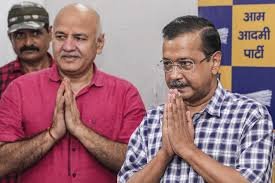
New Delhi, April 20, 2026: In a sharp rebuff to former Delhi Chief Minister Arvind Kejriwal, Justice Swarana Kanta Sharma of the Delhi High Court on Monday dismissed his plea seeking her recusal from hearing the CBI’s petition challenging his discharge in the Delhi excise policy case.
Appearing in person, Kejriwal argued there was a “grave, bona fide and reasonable apprehension” that he would not receive an impartial hearing, citing Justice Sharma’s prior involvement in multiple matters arising from the same CBI FIR, including proceedings related to his arrest in which no accused had secured relief.
Rejecting the plea, Justice Sharma underscored that judicial impartiality is presumed and cannot be questioned on the basis of subjective apprehensions or dissatisfaction with earlier rulings. In strongly worded observations, she said a litigant, including a politician, cannot sit in judgment over judicial competence, warning that allowing recusal pleas based on personal distrust would “open the floodgates” and weaken public confidence in the judiciary.
The case stems from the controversial Delhi Excise Policy 2021–22, in which the CBI has alleged irregularities and corruption in the formulation and implementation of the liquor policy. Kejriwal, who was earlier arrested and later discharged by a lower court, is facing a challenge to that discharge order before the High Court.
READ: In Viral Pix, Israeli Soldier Smashes Jesus Statue with Hammer
Kejriwal’s recusal application had also raised concerns over an alleged conflict of interest, pointing to the judge’s children being empanelled as lawyers for the Central government and working alongside law officers appearing in the matter. However, the court held that vague suspicions and personal perceptions cannot displace the presumption of fairness unless supported by concrete evidence.
Justice Sharma stressed that permitting recusal merely because a litigant had received unfavourable orders in related proceedings would erode judicial independence and the dignity of the institution. Her remarks come amid heightened legal and political scrutiny surrounding the excise policy case and other politically sensitive matters before the courts.
The High Court is now expected to proceed with hearing the CBI’s challenge to Kejriwal’s discharge on merits, a development that could have significant legal and political implications for the Aam Aadmi Party leader as the long-running excise policy case continues to unfold.