Small workshops and family-run jewellery businesses across India are cutting jobs, reducing wages, and struggling to survive amid collapsing sales.
BY PC Bureau
New Delhi/ May 30, 2026: Thousands of jewellers, artisans, and daily-wage workers across India are staring at an uncertain and increasingly bleak future after the government’s sharp hike in gold import duty triggered a dramatic collapse in demand across the jewellery sector.
The industry, heavily dependent on festive and household buying, has witnessed a steep slowdown since the import duty on gold was raised from 6 per cent to 15 per cent on May 13. Trade estimates indicate that gold demand has plunged by nearly 70 per cent, with purchases falling to around 7.5 tonnes in the fortnight ending May 27 compared to nearly 25 tonnes during the same period last year.
The impact has been particularly severe on the unorganised sector, which accounts for nearly 65 per cent of India’s gold trade. Small jewellery stores, family-run workshops, and independent craftsmen are struggling to survive as customer footfall declines sharply and orders dry up.
Demand Collapse Hits Small Jewellers
Industry representatives say the sudden rise in gold prices has forced many consumers to postpone purchases or shift to lighter jewellery.
“Reports from jewellers across the country indicate nearly a 70 per cent fall in demand after the duty hike,” said Surendra Mehta, National Secretary of the India Bullion & Jewellers Association (IBJA).
Even major organised retailers are feeling the pressure. Joy Alukkas, Chairman of Joyalukkas Group, said demand at company outlets has fallen by more than 35 per cent.
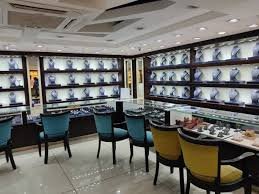
For smaller jewellers, however, the crisis is far more severe. Unlike large retail chains, local businesses operate on limited margins and have little financial cushion to absorb prolonged losses. Many have started cutting staff, reducing working hours, or temporarily shutting operations.
READ: Truck Driver’s Killing Sparks Transport Shutdown in Manipur
Artisans Bear the Biggest Blow
The slowdown has hit India’s vast network of jewellery artisans especially hard.
Gold jewellery manufacturing remains one of the country’s most labour-intensive industries, employing lakhs of skilled karigars involved in polishing, engraving, stone-setting, casting, and finishing work.
With fresh orders slowing dramatically, workshops in major jewellery hubs such as Mumbai’s Zaveri Bazaar, Chennai’s NSC Bose Road, Hyderabad’s Laad Bazaar, and Coimbatore have reportedly reduced production or suspended operations entirely.
Daily-wage workers are among the worst affected. Many artisans are now facing irregular employment, delayed wages, or outright layoffs as workshop owners struggle to manage rising costs and weak sales.
Industry insiders warn that if demand does not recover soon, thousands of craftsmen could lose their livelihoods permanently. Many workers come from economically vulnerable backgrounds and possess few alternative employment opportunities outside the jewellery trade.
Families dependent on seasonal and festive jewellery demand are increasingly worried about meeting basic expenses such as rent, school fees, and food costs.
Rising Prices and Weak Sentiment
The import duty hike has pushed the effective tax burden on gold — including GST — to nearly 18.45 per cent, up from around 9.18 per cent earlier. The increase has made gold jewellery significantly more expensive for consumers already grappling with rising fuel and food prices.
Market sentiment has also weakened due to geopolitical tensions linked to the Iran conflict and the seasonal slowdown during the Adhik Maas period, when many Hindu families traditionally avoid purchasing gold.
Consumers are increasingly opting for lightweight, lower-carat jewellery or selling old ornaments instead of buying new pieces. Investment demand has also slowed sharply.
Adding to the subdued mood, Prime Minister Narendra Modi had earlier urged citizens to reduce non-essential gold purchases, a message industry players say has further dampened buyer confidence.
Fear of Long-Term Damage
Jewellers and trade bodies fear the downturn could become structural unless the government introduces relief measures or rolls back the duty increase.
Many in the industry warn that prolonged weak demand could permanently shut down thousands of traditional workshops, leading to the erosion of skills passed down through generations.
“Gold is no longer a priority for many households under current economic conditions,” said Surendra Mehta. “If demand does not recover soon, artisans and small jewellers will suffer the most.”
India’s jewellery sector remains one of the country’s largest sources of employment in urban and semi-urban areas. For thousands of families dependent on the trade, the current crisis is no longer just an economic slowdown — it is becoming a fight for survival.