Before leaving, Iranian officials reportedly presented demands linked to sanctions relief and maritime security, underscoring continued gaps between Tehran and Washington on core issues.
BY PC Bureau
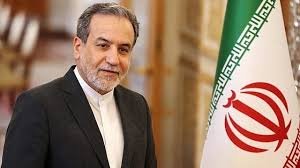
April 25, 2026: In a development that has heightened diplomatic tensions and raised questions over ongoing mediation efforts, an Iranian delegation led by Foreign Minister Abbas Araghchi has left Islamabad before the arrival of a scheduled US delegation, effectively narrowing the prospects for any immediate structured dialogue.
The timing of the departure is being closely watched by diplomatic observers, with some interpreting it as a setback to ongoing backchannel efforts aimed at facilitating indirect or exploratory talks between Washington and Tehran. Analysts also note that the sequence of visits, or lack thereof, may be perceived as a diplomatic embarrassment for US outreach initiatives, including those associated with President Donald Trump’s broader engagement strategy.
The Iranian delegation arrived in Islamabad on the evening of April 24 and held extensive high-level meetings with Pakistan’s leadership, including Prime Minister Shehbaz Sharif and Chief of Army Staff General Asim Munir. The discussions reportedly focused on the escalating US-Iran conflict, regional security dynamics, and Pakistan’s role as a potential mediator in preventing further escalation.
READ: Anti-defection law: Sanjay Singh Seeks Action Against AAP MPs Joining BJP
Before departing, Iranian officials are understood to have presented a set of formal demands aimed at ending hostilities and easing pressure on Tehran. While the contents have not been officially disclosed, diplomatic sources suggest the proposals include calls for sanctions relief, guarantees of non-aggression, and the safeguarding of maritime routes, particularly in the strategically sensitive Strait of Hormuz.
Prime Minister Shehbaz Sharif described his meeting with the Iranian foreign minister as a “warm and cordial exchange of views” on the evolving regional situation. In a statement shared on social media platform X, he further highlighted discussions on strengthening Pakistan–Iran bilateral relations amid growing instability in the Middle East.
Iran FM leaves Pakistan without a second round of talks.
Less than 24 hours after publicly denying they ever asked for direct negotiations.
Hormuz blockade, $101 Brent, 14% deal odds — the market is starting to price this correctly.
— Trading Cartel (@Tradingcartel_X) April 25, 2026
Pakistan has been actively positioning itself as a neutral facilitator in efforts to revive stalled communication between the United States and Iran. Islamabad has leveraged its diplomatic relationships with both sides, as well as its regional influence, to support de-escalation initiatives and prevent further deterioration of the security situation.
However, the latest development underscores the fragility of these efforts. The absence of overlapping or coordinated diplomatic engagement between the key parties has raised concerns that momentum toward dialogue may be slipping, at least in the short term.
Iran, for its part, has maintained that it will not enter direct negotiations with the United States while what it describes as economic sanctions and naval pressure remain in place. Meanwhile, Washington has signalled conditional openness to renewed engagement, reportedly considering informal envoys for exploratory discussions.
Iranian officials have clarified that the Islamabad visit formed part of a broader regional diplomatic outreach, with planned stops in Oman and Russia aimed at continuing consultations with key stakeholders and strengthening support for de-escalation efforts.
Despite the setback, Pakistan is expected to continue its mediation role, seeking to keep communication channels open and prevent further escalation between the two adversaries.
For now, however, the diplomatic outlook remains uncertain. With no confirmed framework for talks and growing mistrust between the parties, the prospects for immediate progress appear limited.
The situation remains fluid.