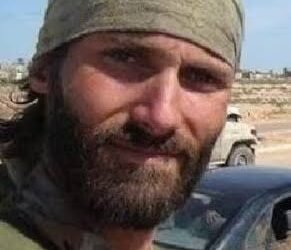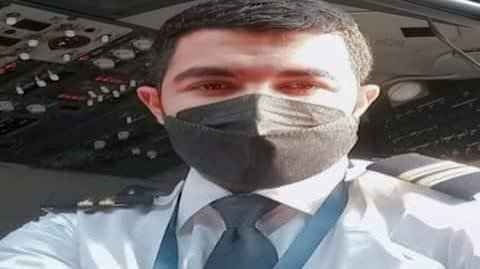
As Saudi, UAE and Israeli investigators examine the flydubai incident, attention is turning to the co-pilot’s past, including his time in Syria, online activity and employment history. The central question is how a pilot previously barred from flying over extremism concerns was able to return to an airline cockpit.
BY PC Bureau
October 4: Hamam al-Hammami told Saudi investigators that he intended to bring the aircraft down and was not afraid of dying, a Saudi official briefed on his interrogation told The Wall Street Journal. The 29-year-old Omani first officer is now being questioned in the UAE after the flydubai flight diverted and made an emergency landing in Saudi Arabia.
The UAE attorney general said on Saturday that the co-pilot had attempted to carry out a terrorist act. Investigators in Saudi Arabia, the UAE and Israel are examining the incident, including whether Hammami had links to any outside power.
Hammami is accused of repeatedly striking Captain Smit Machchhar with a cockpit crash axe before trying to take control of the aircraft. The wounded captain managed to open the cockpit door from inside, allowing passengers and crew to enter and intervene. More than 170 people were on board.
The investigation has now turned to Hammami’s background, including how he may have been radicalised and how he was able to return to a cockpit after an earlier airline had grounded him.
Born to an Omani father and Syrian mother, Hammami had lived in Dubai for years and also spent time in Syria during the civil war. People familiar with the inquiry, cited by the Journal, said investigators were examining whether his views hardened there, when Islamist rebels were fighting the government of Bashar al-Assad.
His online activity is also under scrutiny. More than 3,000 screenshots of posts from a deleted X account remain preserved in the Internet Archive. Some expressed opposition to women working and a preference for religious women who wear the veil. In a December 2021 post, Hammami said he had used a fake account, posing as Syrian or Lebanese, to contact Saudi women. In another, he said he had a rule that his wife would not work.
After Oman Air barred him from flying, Hammami sought employment elsewhere. Moroccan state media reported that he tried to join Royal Air Maroc in 2025. Flydubai hired him in February this year.
READ: Opinion: If Not Jantar Mantar, Then Should Citizens Protest at SC?
The Journal reported that the UAE normally conducts extensive security checks on pilot recruits, but said it could not establish what vetting Flydubai carried out in Hammami’s case. People briefed on his background said Oman would have shared information about him if another country had sought it. They said Oman received no such request. The UAE and Flydubai have declined to comment while the investigation continues.
Hammami had also completed a remote aviation-management course at Buckinghamshire New University in England.
He studied aviation in the UAE before joining state-owned Oman Air, his first airline employer. In a since-deleted post in Arabic from June 2022, he wrote about his attachment to flying, the significance of his first solo flight and the feeling of landing an aircraft carrying passengers.
People briefed on his record said Oman Air later barred him from flying after authorities discovered that he had been browsing extremist websites. He was subsequently put through a deradicalisation programme and moved to a desk job, they said.
That earlier intervention is now at the centre of the investigation: how a pilot grounded over concerns about extremist activity was later cleared to fly for another airline, and what information, if any, was shared before he was hired.