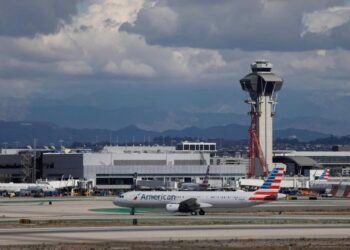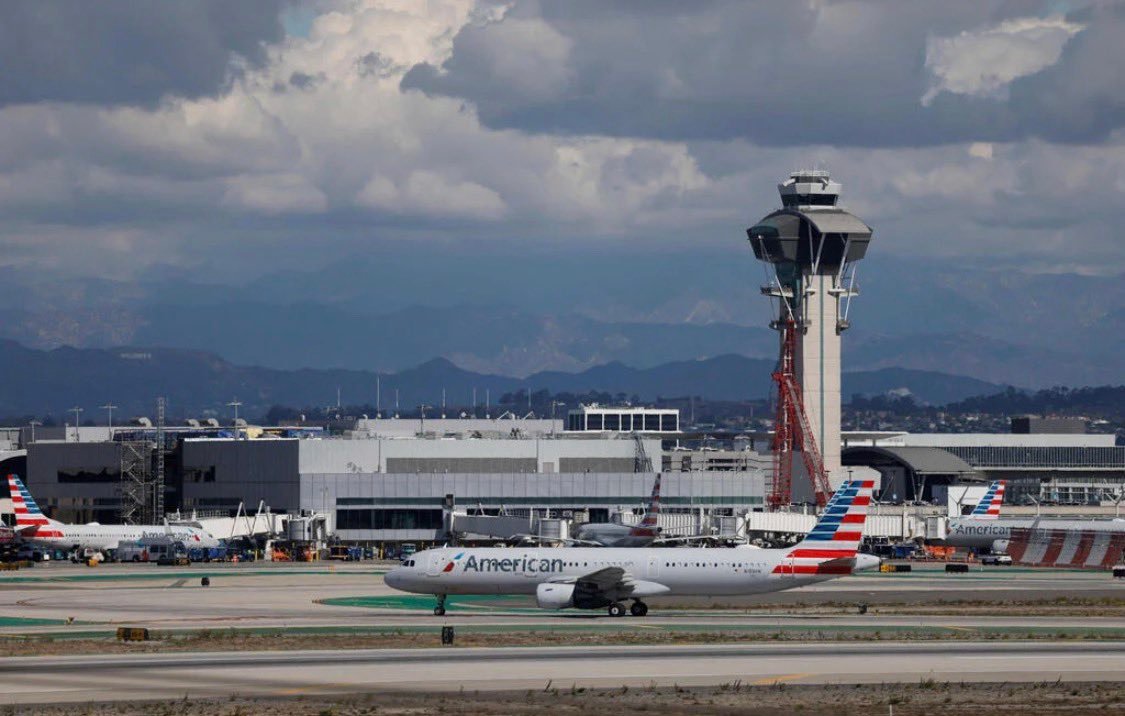
Thousands of flights were cancelled or delayed after the outage, leaving tens of thousands of passengers stranded. US authorities warn that disruptions could continue through the weekend.
BY PC Bureau
November 14: Air travel across the United States is gradually returning to normal after the Federal Aviation Administration (FAA) lifted a nationwide ground stop imposed following a major air traffic control communications failure. However, passengers continue to face delays, cancellations and disrupted schedules as airlines struggle to clear a massive backlog of flights and reposition aircraft and crews.
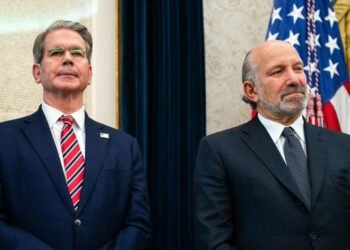
The FAA lifted the nationwide restriction on Friday evening, more than four hours after ordering all US airports to suspend departures. Transportation Secretary Sean Duffy announced that US airspace had reopened at 8:15 pm Eastern Time, allowing airlines to progressively resume operations.
But the lifting of the ground stop did not mean an immediate return to normal flight schedules.
“It’s going to be slow,” Duffy told reporters at the White House, warning that airlines would need considerable time to restore normal operations. The availability of pilots, cabin crew and aircraft would determine how quickly departures could resume.
The FAA said the immediate technical problem had been addressed and that its systems had undergone checks before operations resumed. Nevertheless, the disruption was expected to affect aviation schedules through the weekend and potentially for several days.
READ: Bring Jensen Back: Musk Joins Campaign to Reinstate Nvidia CEO
Thousands of flights affected
The scale of the disruption was reflected in the mounting number of cancellations and delays.
According to FlightRadar24 figures cited by Reuters, more than 6,600 flights had been cancelled and approximately 8,600 delayed. Another 1,500 flights had already been cancelled for Sunday, indicating that the consequences would extend beyond Friday’s shutdown.
At least 827 aircraft were diverted during the disruption. Around 670 returned to their original departure airports, while another 157 were redirected to alternative destinations.
Tens of thousands of passengers were left stranded at airports across the country. Major aviation hubs, including Washington Dulles, Los Angeles International, Cincinnati/Northern Kentucky and Nashville, received diverted aircraft, putting additional pressure on airport infrastructure.
The disruption also affected international services, with incoming flights handled on a case-by-case basis.
UPDATE: Ground stop is lifted✈️
Over 4 hours with every departure in America stuck
Now they’re saying a network update crashed the system that connects air traffic control…
Yesterday Microsoft was “not a hack” either
2 days in a row of “just a glitch”🤔
GN fam https://t.co/hVjko9z98i
— Lamb (@LambMetaX) November 14, 2026
Why flights are returning gradually
Transportation officials attributed the breakdown to an overloaded and ageing telecommunications network used by air traffic control centres.
Duffy said switches and routers had become overwhelmed by data, producing inconsistencies that forced authorities to suspend operations as a precaution.
Although radar and communications were not completely lost, officials considered the instability serious enough to halt departures nationwide.
Duffy said approximately 3,500 aircraft were airborne when the ground stop began. Controllers managed to bring aircraft safely to their destinations while preventing additional departures.
US Homeland Security Secretary Markwayne Mullin ruled out any immediate evidence of a deliberate attack, describing the incident as a telecommunications failure rather than a security breach.
Investigators have also found no indication that the outage involved a cyberattack or an artificial intelligence system. The immediate technical failure has been addressed, although a fuller investigation into its precise cause remains underway.
US Airlines scramble to restore schedules
US Airlines are now dealing with the operational consequences of the shutdown. Restoring services requires more than simply allowing aircraft to take off. Planes must be returned to their scheduled routes, flight crews repositioned and passengers from cancelled services accommodated on available flights.
The disruption has also affected cargo operations and the travel plans of professional sports teams.
US Airlines have urged passengers to check flight information directly with carriers before travelling to airports. Passengers whose flights have been cancelled or substantially delayed may need to consider alternative departures, depending on seat availability.
Pressure mounts for $50 billion aviation overhaul
The nationwide breakdown has renewed criticism of the ageing technology underpinning the US air traffic control system.
Duffy has called for approximately $50 billion to modernise the infrastructure, arguing that outdated equipment and telecommunications networks leave the aviation system vulnerable to major disruptions.
US Congress had previously approved $12.5 billion for modernisation, while the White House and Transportation Department have sought an additional $30.1 billion.
The latest outage follows a communications breakdown in the northeastern United States in September and the January 2023 failure of the FAA’s Notice to Air Missions (NOTAM) system.
Friday’s shutdown was among the most extensive interruptions to US aviation since the September 11, 2001 attacks.
Although the nationwide ground stop has ended, the gradual restoration of flight schedules means that passengers may continue to face uncertainty over the weekend. The immediate safety concern has been addressed, but the episode has exposed the vulnerability of an aviation network that remains heavily dependent on ageing technology.
For millions of travellers, the end of the ground stop is only the beginning of the journey back to normal.