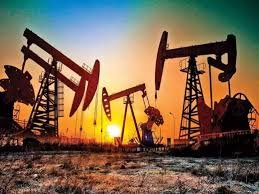
Analysts warn that rising crude prices will intensify global inflation pressures, with Jerome Powell flagging near-term economic risks.
BY PC Bureau
April 30, 2026 — Oil markets are under intense pressure as escalating tensions between the United States and Iran push prices to their highest levels in more than three years, raising fresh concerns about global inflation and economic stability.
Benchmark Brent crude surged past $122 per barrel in late trading, marking a sharp single-session jump of nearly 10%. Meanwhile, West Texas Intermediate climbed to around $112 per barrel. The rally reflects deepening fears of prolonged supply disruptions linked to the standoff in the Strait of Hormuz—one of the world’s most critical energy corridors.
Why the Strait of Hormuz Matters
The Strait of Hormuz is a narrow maritime passage connecting the Persian Gulf to global markets, through which roughly 20% of the world’s oil and a significant share of liquefied natural gas flows daily. Any disruption here has immediate and outsized effects on global energy prices.
With both Iran and the U.S. imposing restrictions—Tehran tightening maritime control and Washington enforcing a naval blockade—commercial shipping through the strait has slowed dramatically. The resulting supply squeeze is the primary driver behind the current price spike.
READ: Iran Threatens to Sink US Ships, Capture Troops in Gulf Standoff
Screaming Red Headline on Bloomberg
*OIL HITS WARTIME HIGH ON REPORT US EYING IRAN MILITARY OPTIONSJune Brent futures (green) have doubled since the beginning of the year
December Brent Futures (blue) set a new all-time high. pic.twitter.com/MdXjetPtqJ
— Jim Bianco (@biancoresearch) April 30, 2026
Blockade, Not Bombing
U.S. President Donald Trump has defended the blockade strategy, arguing it is more effective than direct military action. He reiterated that economic pressure would continue until Iran curbs its nuclear ambitions, signaling no immediate relief for oil markets.
The ongoing deadlock has stalled nuclear negotiations, removing hopes of a quick diplomatic resolution that could stabilize supply flows.
Inflationary Shockwaves
Rising oil prices are already feeding into global inflation concerns. Jerome Powell warned that higher energy costs are likely to push up near-term inflation, complicating monetary policy decisions.
Energy is a foundational input across economies—affecting transportation, manufacturing, and food supply chains. As fuel costs rise, businesses typically pass on expenses to consumers, leading to broader price increases worldwide.
Prices Up 50% Since February
Since the conflict intensified in late February, oil prices have climbed more than 50%. Analysts warn that the market remains highly sensitive to geopolitical developments.
Commodity strategists note that uncertainty around how long the blockade will last has removed a key restraint on prices. If the standoff persists—or worsens—oil could continue rising in the near term.
OPEC Shake-Up Adds to Uncertainty
In a parallel development, the Organization of the Petroleum Exporting Countries faces fresh uncertainty after the United Arab Emirates announced plans to exit the group effective May 1. While the UAE could eventually increase production independently, experts say any near-term boost to global supply is unlikely given current regional constraints.
Markets are now closely watching for any signs of de-escalation—whether through diplomatic breakthroughs or a relaxation of restrictions in the Strait of Hormuz. Until then, volatility is expected to remain high.
With energy prices surging, inflation risks rising, and supply chains under strain, the US–Iran standoff is rapidly evolving into a global economic challenge—not just a regional conflict.