BY PC Bureau
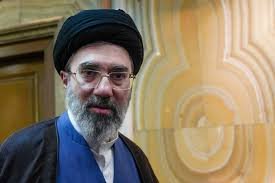
April 30, 2026 — Iran’s Supreme Leader Mojtaba Khamenei has issued one of his strongest challenges yet to the United States, announcing plans to impose sweeping new legal and administrative controls over the Strait of Hormuz while vowing to end what he described as American “exploitation” of the vital maritime corridor.
In a written statement broadcast on state television Thursday, Khamenei accused Washington of fuelling instability across West Asia and delivered a blunt warning to foreign powers. “Foreign actors who commit evil have no place except in the depths of the waters,” he said, in remarks widely interpreted as a direct threat to U.S. naval forces operating in the region.
“We will introduce new legal rules and administration for the Strait of Hormuz,” he declared, adding that the region’s future would be “without American presence” and instead focused on the “security and well-being of its peoples.”
‘A new chapter’: Leaders says Iran will determine ‘new legal rules’ in Strait of Hormuz https://t.co/eFVakesM65
— Press TV 🔻 (@PressTV) April 30, 2026
‘READ: Iran Threatens to Sink US Ships, Capture Troops in Gulf Standoff
Strategic Flashpoint
The remarks come amid a deepening crisis triggered by a U.S. naval blockade imposed on April 13 as part of coordinated pressure with Israel over Iran’s nuclear programme. The Strait of Hormuz—a narrow passage between Iran and Oman—handles nearly 20% of global seaborne oil trade, making it one of the most critical chokepoints in the global energy system.
Khamenei framed Iran’s proposed measures as both defensive and regionally beneficial. “The new management of the Strait of Hormuz will bring calm and progress, along with economic benefits for all Gulf countries,” he said, adding that nations bordering the Persian Gulf and Gulf of Oman “share a common destiny.”
Sharp Criticism of US Presence
The Iranian leader also questioned the effectiveness of America’s military footprint in the region. “The illusory American bases in the region are incapable of securing themselves—how can they guarantee the security of others?” he asked.
In particularly forceful language, Khamenei claimed that the United States had already suffered a “disgraceful defeat” in its confrontation with Iran and described both Washington and Israel as “bullies” in regional affairs. He reiterated that the long-term future of the Persian Gulf would exclude American involvement.
Nuclear Standoff and Rising Stakes
Khamenei reaffirmed Iran’s commitment to preserving its nuclear and missile programmes as “national assets,” directly countering the position of Donald Trump, who has insisted that the blockade will remain until Tehran agrees to new nuclear terms.
The statement marks a significant escalation in rhetoric as tensions around the Strait of Hormuz continue to disrupt shipping and push global oil prices higher. While Iran has so far avoided direct military confrontation with U.S. forces, officials have repeatedly warned that any attempt to forcibly control or shut down the waterway could trigger a wider conflict.
What Comes Next
Khamenei’s announcement suggests Tehran may seek to formalise greater sovereignty over the strait through regulatory measures—potentially including stricter inspections, transit permissions, or administrative oversight once the immediate crisis stabilises.
Washington has not yet issued an official response to the latest remarks, though U.S. officials have previously characterised Iranian threats over the strait as unacceptable and warned against any interference with international shipping.
With both sides hardening their positions—Washington maintaining pressure through its blockade and Tehran asserting control through increasingly assertive declarations—the situation remains highly volatile. Diplomatic efforts are expected to intensify in the coming days, but the risk of escalation in one of the world’s most sensitive maritime corridors continues to loom large.