The government had sought to fast-track implementation of 33% women’s reservation by linking it to a fresh delimitation exercise ahead of the 2029 elections.
BY PC Bureau
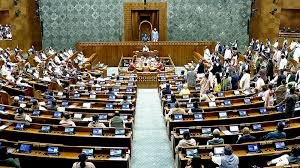
New Delhi, April 17, 2026: In a major setback for the government, the Constitution (131st Amendment) Bill, 2026 operationalising the 33% women’s reservation in the Lok Sabha and state assemblies was defeated in the Lok Sabha on Friday.
The bills, which sought to fast-track the implementation of the women’s quota from the 2029 general elections by linking it with a fresh delimitation exercise, failed to secure the mandatory two-thirds majority required for constitutional amendments.
The motion was defeated with 298 votes in favour and 230 against, falling short of the required threshold.
With the bill failing to clear the House, two related legislations—including the delimitation bill and a proposal to increase the number of Lok Sabha seats—were not taken up for voting. The government maintained that these measures were “intrinsically linked” to the women’s reservation framework.
The defeat comes after two days of intense debate during a special sitting of Parliament. Just before the vote, Union Home Minister Amit Shah made a strong pitch for the bills, assuring the House that the proposals would empower women without compromising the federal balance.
READ: Rahul Gandhi’s ‘16’ Puzzle: A Hint at Missing Epstein Files?
READ: Allahabad HC Orders Probe Into Rahul Gandhi Citizenship Case
Addressing concerns raised by Opposition parties, particularly from southern states, Shah said: “A narrative is being created that these bills will reduce the representation of southern states in the Lok Sabha. This is completely false. The strength of the five southern states will increase from the current 129 seats to 195 seats, and their share will rise from 23.76% to nearly 23.9%. No southern state will lose even a single seat—in fact, Tamil Nadu will gain 20 seats, Kerala 10, Telangana 9, and Andhra Pradesh 13.”
He further clarified that all elections till 2029 would continue to be held on the basis of existing seat numbers, and the delimitation commission’s report would only come into effect after being approved by Parliament and the President. Shah emphasised that the government was the “greatest supporter of women’s reservation” and accused the Opposition of spreading confusion and opposing the measure as part of a pre-decided strategy to block key reforms.
Union Law Minister Arjun Ram Meghwal, who introduced the Constitution Amendment Bill, had earlier argued that the changes would ensure one-third of seats in an expanded Lok Sabha are reserved for women while safeguarding regional interests.
However, leaders from the INDIA bloc, including Congress and regional parties from southern states, strongly opposed the linkage between women’s reservation and delimitation. They claimed the real intent was to redraw constituencies based on the latest population data, potentially benefiting northern states with higher population growth and weakening the federal balance.
Opposition leaders described the bill as “anti-federal” and warned that it could diminish the political influence of states that have successfully controlled population growth.
The government had notified the original Nari Shakti Vandan Adhiniyam (Women’s Reservation Act, 2023) earlier this week, bringing it into force technically. However, without the fresh amendments and delimitation framework, the 33% quota remains non-operational until the next delimitation exercise based on the post-2026 Census.
Political analysts say the defeat highlights the challenges the ruling coalition faces in pushing major constitutional changes without broader consensus.
The government is expected to blame the Opposition for blocking women’s empowerment, while the Opposition is likely to project the outcome as a victory for federalism and a check on the “arbitrary redrawing of political boundaries.”
The bills will now not proceed to the Rajya Sabha in their current form. Sources indicate the government may either introduce a revised version in the future or revert to the original timeline of the 2023 Act.
This development is being seen as a significant political moment ahead of the 2029 Lok Sabha elections, with both sides preparing to take their narratives to the public.