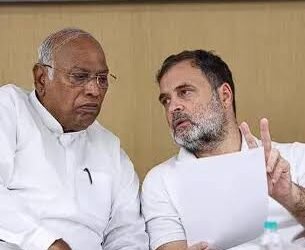
In posts on X, Iran Parliament Speaker Mohammad Ghalibaf rejected Trump’s statements about the status of the strait of Hormuz, calling them part of a “media warfare” campaign aimed at shaping public opinion.
BY PC Bureau
April 18, 2026 — Iran escalated its war of words with the United States on Saturday, with Parliament Speaker and chief nuclear negotiator Mohammad Bagher Ghalibaf accusing President Donald Trump of making “seven claims in one hour, all of which were false,” while issuing a fresh threat to close the Strait of Hormuz if the U.S. naval blockade of Iranian ports continues.
In a series of posts on X, Ghalibaf directly pushed back against recent optimistic statements by Trump, who had claimed the Hormuz situation was largely resolved and that Iran had agreed not to close the strait again. “They did not win the war with these lies, and they will certainly not get anywhere in negotiations either,” Ghalibaf wrote.
He added pointedly:
“With the continuation of the blockade, the Strait of Hormuz will not remain open. Passage through the Strait of Hormuz will be conducted based on the ‘designated route’ and with ‘Iranian authorization.’ Whether the strait is open or closed, and the regulations governing it, will be determined on the ground, not on social media.”
Ghalibaf framed the U.S. statements as part of a broader “media warfare” campaign designed to shape public opinion, insisting that the Iranian nation would not be swayed by such tactics. He urged followers to seek “real and accurate news of the negotiations” from recent statements by Iran’s Foreign Ministry spokesman.
۱- رئیس جمهور آمریکا در یک ساعت هفت ادعا مطرح کرد که هر هفت ادعا کذب است.
۲- با این دروغگوییها در جنگ پیروز نشدند و حتما در مذاکره هم راه به جایی نخواهند برد.
۳- با ادامهٔ محاصره، تنگهٔ هرمز باز نخواهد ماند.— محمدباقر قالیباف | MB Ghalibaf (@mb_ghalibaf) April 17, 2026
Ghalibaf’s Key Points in His Statement
Here is the full list of points Ghalibaf outlined in his X posts:
- The President of the United States made seven claims in one hour, all seven of which were false.
- They did not win the war with these lies, and they will certainly not get anywhere in negotiations either.
- With the continuation of the blockade, the Strait of Hormuz will not remain open.
- Passage through the Strait of Hormuz will be conducted based on the “designated route” and with “Iranian authorization.”
- Whether the strait is open or closed, and the regulations governing it, will be determined on the ground, not on social media.
- Media warfare and public opinion engineering are an important part of war, and the Iranian nation is not affected by such tactics. (He also directed readers to the Foreign Ministry spokesman’s interview for accurate updates.)
The remarks come just one day after Iran announced the reopening of the strategic waterway for commercial shipping, following weeks of disruption linked to broader regional tensions and ceasefire arrangements in Lebanon. However, the U.S. maintains its blockade specifically targeting vessels entering or leaving Iranian ports, a measure imposed after peace talks in Islamabad failed to yield a comprehensive agreement.
READ: Iran Declares Strait of Hormuz Open for Duration of Ceasefire
Ghalibaf, who led Iran’s negotiating team in Pakistan, dismissed Trump’s assertions without specifying exactly which seven claims he was referring to. Analysts note that Trump’s recent comments included assertions that Iran had agreed to keep the strait permanently open, that negotiations were progressing rapidly, and that the blockade would remain in force only against Iranian ports until a full deal is reached.
Strategic Chokepoint at Risk
The Strait of Hormuz remains one of the world’s most critical energy arteries, with roughly 20% of global oil and significant volumes of liquefied natural gas passing through it daily. Any prolonged closure or strict Iranian-controlled authorization regime could trigger sharp spikes in energy prices and disrupt international shipping.
U.S. officials, including military spokespeople, have stressed that the blockade applies only to Iranian ports and does not close the strait itself to third-country traffic. Nevertheless, Iranian leaders view the action as economic warfare and have repeatedly signaled they could respond symmetrically by imposing their own controls or restrictions.
This latest exchange highlights the fragility of the current ceasefire framework. While Iran has declared the strait “open” under certain conditions, Ghalibaf’s warning makes clear that Tehran reserves the right to restrict access if Washington does not ease pressure on its ports.
No immediate comment from the White House or the U.S. State Department was available in response to Ghalibaf’s posts. Oil markets, already sensitive after recent volatility, are expected to monitor developments closely over the coming days.
The situation remains tense, with both sides continuing indirect communications even as military forces remain positioned in the Gulf.