US Treasury Secretary Scott Bessent has warned that companies servicing Iranian airlines could lose access to the dollar-based financial system, escalating Washington’s pressure on Tehran’s aviation sector.
BY PC Bureau
September 22: Iranian airlines could face a near-total disruption of their international operations from Wednesday after the United States warned foreign companies against providing them with fuel, ground-handling services or ticketing facilities.
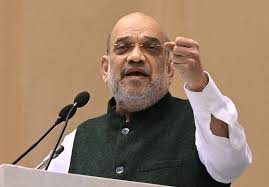
US Treasury Secretary Scott Bessent issued the warning on Monday, saying that from September 23, foreign companies servicing Iranian airlines could face US sanctions.
“On September 23, all the Iranian airlines will be shut down around the world,” Bessent said, adding that companies would not be able to provide Iranian carriers with fuel or landing services, sell their tickets or otherwise support their operations without risking exclusion from the US dollar-based financial system.
The warning comes as the Trump administration intensifies its “Operation Economic Outcast” campaign aimed at restricting Iran’s access to international finance and commerce.
Earlier this month, the US Treasury Department sanctioned 27 Iranian airlines and a number of foreign entities accused of supporting Iran’s aviation sector. The latest action builds on long-standing US restrictions against major Iranian carriers, including Mahan Air.
🔥JUST IN: CNBC interviews the US Treasury Secretary Scott Bessent announcing that all Iranian airlines will face a global shutdown starting September 23, via secondary sanctions threatening dollar system access for any airport or provider offering fuel, landing services, or…
— Global Defense Analysis (@GlobalDefenseAn) September 21, 2026
Secondary sanctions threaten foreign operators
The latest warning could significantly widen the impact of US sanctions because it extends the risk to companies outside Iran that continue doing business with sanctioned Iranian airlines.
Foreign fuel suppliers, airports, ground-handling companies, maintenance providers, ticketing agents and financial institutions could face US penalties if Washington determines that their dealings support sanctioned Iranian carriers.
The principal threat is loss of access to the US financial system, particularly the dollar-based banking and clearing networks used extensively in international trade.
Depending on the circumstances, companies targeted under US sanctions can face blocked transactions and assets, restrictions on banking relationships and exclusion from parts of the US financial system.
The threat is therefore aimed not only at Iranian airlines themselves but also at the international network of companies that allows them to operate outside Iran.
If widely enforced, the measures could make it difficult for Iranian carriers to refuel, obtain airport services, maintain aircraft or sell tickets for international flights, potentially grounding aircraft at overseas destinations even when the airlines themselves are not newly sanctioned.
READ: US Media Revolt Threatens to Overshadow Trump-Xi Summit
Iran’s ageing aviation fleet
Iran’s aviation sector has already been weakened by decades of US sanctions, which have restricted the country’s access to new aircraft, spare parts and official maintenance channels.
Estimates of Iran’s total registered commercial fleet vary considerably, with figures generally ranging from about 150 to 300 aircraft. However, only a fraction are believed to be operational at any given time.
The country’s fleet is also considerably older than the global commercial aviation average. Many Iranian carriers operate aircraft that are more than two decades old, while some planes have remained in service through extensive maintenance and the use of salvaged or “cannibalised” parts.
Restrictions on access to Western aircraft and components have forced Iranian airlines to rely on complex procurement networks and alternative sources for spare parts and maintenance.
The situation varies considerably between carriers.
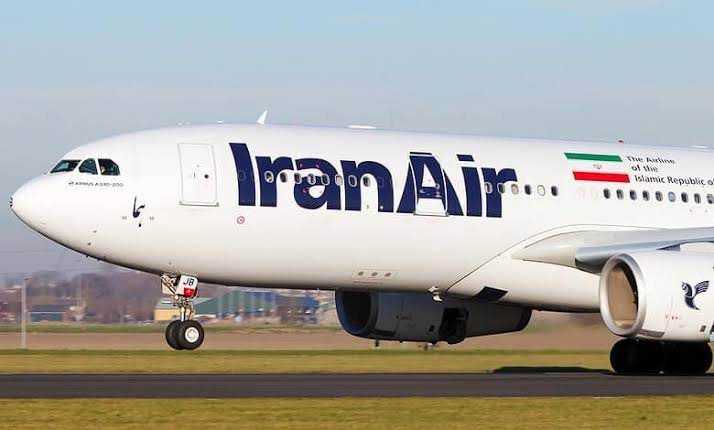
Iran Air, the national flag carrier, has operated with only a limited number of aircraft available for service at various points. Mahan Air, one of Iran’s largest private carriers, has a larger fleet but also operates a number of ageing aircraft, including Airbus A340s and other aircraft acquired through intermediaries.
Iran’s international aviation network has already contracted sharply under sanctions and other restrictions. International seat capacity has fallen substantially, while the number of foreign airlines operating regular services to Iran has also declined.
Domestic flights continue, but airlines face persistent difficulties involving aircraft availability, maintenance, spare parts and access to international aviation services.
The latest US threat could add another layer of pressure by making it harder for Iranian airlines to obtain the foreign services needed to maintain international operations.
Pressure extends beyond aviation
The aviation measures form part of a broader US sanctions campaign targeting key sectors of the Iranian economy, including energy, shipping, technology, gold and digital assets.
Bessent’s remarks came after discussions with Chinese Vice Premier He Lifeng as Washington seeks greater international compliance with its sanctions regime.
China remains a major economic partner of Iran. Bessent said Chinese officials had been “very engaged” in discussions concerning the US pressure campaign.
He also said Washington was holding discussions with Chinese financial authorities, including People’s Bank of China Governor Pan Gongsheng, over sanctions compliance.
The US move therefore goes beyond targeting Iranian airlines directly. By threatening foreign companies that provide essential services to those carriers, Washington is seeking to make continued international operations increasingly difficult for Iran’s aviation sector.
For Iranian airlines, the immediate issue is not simply whether their aircraft can fly, but whether airports, fuel suppliers, ground handlers, ticketing companies and financial institutions around the world will continue to serve them without risking access to the US financial system.