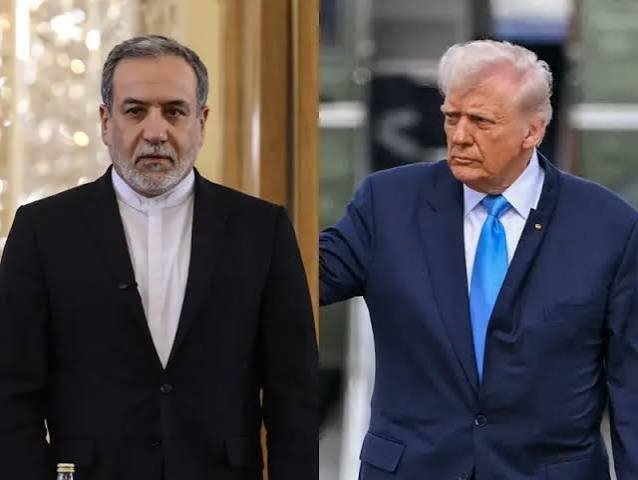
The breakthrough deal could reopen the Strait of Hormuz, ease pressure on global energy markets and pave the way for negotiations over frozen Iranian assets.
BY PC Bureau
June 15, 2026: The United States and Iran are set to formally sign a peace agreement in Geneva on June 19, with both sides agreeing to launch a 60-day negotiation process aimed at securing a broader settlement on unresolved issues, including Tehran’s nuclear programme and sanctions relief.
Iran has said the official signing ceremony will take place in Geneva, Switzerland, after which the two sides will begin a 60-day negotiation process aimed at resolving contentious issues that remain at the heart of their decades-long dispute. These include Tehran’s nuclear programme, the fate of its stockpile of highly enriched uranium, sanctions relief and the release of frozen Iranian assets.
The memorandum of understanding, described by Iranian officials as a framework for ending the conflict, also includes provisions for the immediate suspension of hostilities on all fronts, including Lebanon, and the lifting of the US naval blockade imposed on Iranian ports. While the agreement offers a pathway towards de-escalation, many of its key provisions remain unclear and are expected to be fleshed out during the upcoming negotiations.
The deal could also have far-reaching economic implications. It is expected to facilitate the gradual reopening of the Strait of Hormuz, one of the world’s most strategically important shipping routes. Before the conflict disrupted maritime traffic, the narrow waterway carried nearly 20 per cent of global oil and liquefied natural gas supplies. A return to normal operations, however, could take time as authorities work to clear mines, repair damaged infrastructure and establish security guarantees for commercial vessels.
What Iran Said
Iran’s Deputy Foreign Minister Kazem Gharibabadi said the agreement had brought an “immediate end” to the war and outlined the conditions under which Tehran would proceed with further talks.
According to Iran’s Tasnim news agency, Gharibabadi said final negotiations would only begin after the United States fulfilled its commitments under the initial agreement.
“Negotiations for a final deal will be held during a 60-day period after verifying that the USA implemented its commitments under the deal, including ending hostilities, lifting the blockade and releasing frozen assets,” he said.
He added that the two delegations would meet again on June 19, the date of the signing ceremony, to determine the framework and future arrangements for the negotiations.
Gharibabadi also stressed that Iran had incorporated all of its “important positions” into the draft memorandum and said the full text of the agreement would be made public once it had been signed.
“This memorandum of understanding does not mean trusting the enemy. We will monitor the implementation of US commitments,” he said.
Iran’s Supreme National Security Council echoed the sentiment, saying the accord guarantees the immediate and permanent cessation of military operations.
“Based on the agreements reached, the war and military operations on all fronts, including Lebanon, will end immediately and permanently,” the council said in a statement, adding that the naval blockade against Iran would also end without delay.
The council thanked Pakistan and Qatar for their role in facilitating the negotiations and said discussions on a final agreement would proceed only after the other side had met its obligations under the memorandum.
What The US Said
US President Donald Trump hailed the agreement as a landmark achievement and announced the immediate removal of restrictions affecting maritime traffic through the Strait of Hormuz.
“The deal with the Islamic Republic of Iran is now complete. I hereby fully authorise the toll-free opening of the Strait of Hormuz and, simultaneously herewith, authorise the immediate removal of the United States naval blockade. Ships of the world, start your engines. Let the oil flow,” Trump wrote on social media.
The announcement coincided with Trump’s 80th birthday celebrations and was presented by the White House as a major foreign policy success.
READ: 12 Killed After Skydiving Plane Crashes in Missouri, US
🇺🇸🇮🇷🇨🇭 BIG | Iranian Parliament Speaker Mohammed Bagher (the lead negotiator) and Foreign Minister Abbas Araghchi will travel to Geneva to sign the agreement alongside U.S. Vice President JD Vance.
The meeting will mark the highest-level direct engagement between Tehran and… pic.twitter.com/EbjSVgokvb
— Visioner (@visionergeo) June 14, 2026
Details Of The Deal Remain Unclear
Despite the optimism surrounding the breakthrough, significant questions remain unanswered.
The exact contents of the memorandum have not been officially released, and neither side has clarified how some of the most sensitive issues will be addressed. The agreement follows weeks of tense negotiations, punctuated by repeated warnings from Trump that military action could resume if Tehran failed to engage constructively.
Iran’s Mehr news agency reported that Washington had agreed to release $12 billion in frozen Iranian assets before formal negotiations begin. It also cited a 14-point memorandum that allegedly provides for the release of an additional $24 billion in Iranian funds over the course of the 60-day negotiation period.
The Trump administration has yet to publicly confirm those figures.
The issue of Iran’s nuclear ambitions is also expected to remain a major sticking point. Washington has long sought to curb Tehran’s enrichment activities and secure guarantees over the disposal of its highly enriched uranium stockpile, much of which is believed to have been buried or damaged during US strikes carried out last year.
BREAKING: 🇺🇸🇮🇷 President Trump says peace deal with Iran is officially complete and the Strait of Hormuz is now open.
Bitcoin reclaims $65,000 after US announces peace deal with Iran.
Oil prices crash 4% following US-Iran peace deal.
UK, France, Germany and Italy ready to lift… pic.twitter.com/Ww0IJHo1mU
— Megh Updates 🚨™ (@MeghUpdates) June 15, 2026
International Relief And Market Reaction
The prospect of an end to the conflict was welcomed by world leaders and financial markets alike.
UN Secretary-General Antonio Guterres described the agreement as a “critical step” towards ending the war and restoring stability to the region.
The United Kingdom, France, Germany and Italy said they were prepared to lift sanctions on Iran and work alongside the US, Iran and regional partners to secure a lasting diplomatic settlement.
Global markets responded positively to the announcement. Oil prices fell by more than four per cent in Tokyo trading, while Japan’s Nikkei stock index surged nearly three per cent amid expectations that energy supplies would stabilise and geopolitical risks would ease.
The disruption of shipping through the Strait of Hormuz had sent shockwaves through the global economy, contributing to higher fuel costs, inflationary pressures and supply chain bottlenecks affecting industries ranging from manufacturing to agriculture.
US Vice President JD Vance said the agreement could have lasting economic benefits.
“What we’re going to be able to do is drive down the cost of energy, not just now but for the long term, and create a real engine of prosperity in the Middle East,” he told Fox News.
Vance added that he planned to attend the signing ceremony in Geneva and said it remained possible that Trump could also be present for the historic event.