The Public Examination (Prevention of Unfair Means) Amendment Bill, 2026 has cleared Parliament, paving the way for tougher penalties against paper leak syndicates and fast-track courts to try examination fraud cases.
BY PC Bureau
New Delhi: Prime Minister Narendra Modi on Thursday welcomed Parliament’s passage of the Public Examination (Prevention of Unfair Means) Amendment Bill, 2026, describing it as a landmark reform that would strengthen the integrity of India’s examination system and restore students’ confidence in public recruitment and entrance tests.
The legislation completed its parliamentary journey after being passed by the Lok Sabha on Wednesday and the Rajya Sabha on Thursday, despite a boycott by several Opposition parties, which accused the government of pushing the Bill through without adequately addressing concerns over recent examination scandals and the handling of student protests.
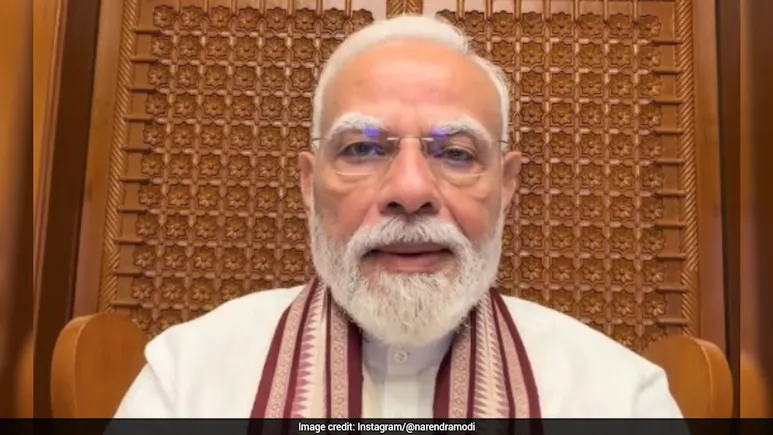
Shortly after the Rajya Sabha approved the legislation, the Prime Minister posted a video message on Instagram, praising Parliament for passing what he called a crucial reform aimed at ensuring fairness and transparency in public examinations.
READ: Delhi Govt Withdraws Cases Against CJP Protesters
READ: The State of TV News: Falling Revenues, ‘Godi Media’ Tag, and Crisis of Trust (Part 2)
Parliament passes a Bill that makes our examination system more robust! pic.twitter.com/OEvLKXoUaf
— Narendra Modi (@narendramodi) July 30, 2026
“The passage of this legislation is an important step towards building a stronger, more transparent and trustworthy examination system for our youth,” Modi said in the video, reiterating the government’s commitment to protecting the future of students from organised paper-leak rackets and examination fraud.
The amendment seeks to significantly tighten the legal framework governing public examinations by prescribing stricter penalties for individuals and organised syndicates involved in paper leaks and other unfair practices. It also provides for the establishment of fast-track courts to ensure the speedy investigation and trial of such offences.
The law comes in the wake of widespread outrage over the alleged NEET paper leak, which triggered weeks of nationwide student protests led by the Cockroach Janta Party (CJP) and eventually culminated in the resignation of Union Education Minister Dharmendra Pradhan.
This is the fourth time in less than a week that Prime Minister Modi has publicly addressed the issue of examination reforms through video messages on Instagram. His first address came days after the student protests intensified, when he described paper leaks as a “grave sin” against the aspirations of young Indians and promised comprehensive legal reforms to eliminate examination fraud.
Subsequent videos outlined the government’s proposed roadmap, including the creation of special courts, tougher punishment for offenders, technological safeguards to secure examination processes and stronger accountability mechanisms for agencies conducting public examinations.
The passage of the Bill marks the fulfilment of that promise, with the government projecting it as a decisive response to growing public concern over recurring paper leaks affecting competitive examinations across the country.
While the ruling NDA described the legislation as a major victory for students and an important step towards restoring confidence in the examination system, Opposition parties criticised the manner in which the Bill was passed, arguing that Parliament should have held a more comprehensive discussion on the alleged failures that allowed repeated examination leaks to occur.
Despite the political confrontation, the government has maintained that the new law, coupled with administrative reforms and faster prosecution of offenders, will significantly strengthen the credibility of India’s public examination system and deter organised criminal networks involved in paper leaks.