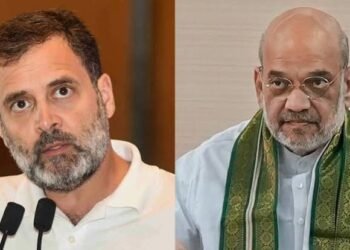
Suvendu Adhikari’s fish-bhog meal at Kalighat has intensified the debate after Bageshwar Dham’s Dhirendra Shastri urged Bengali Hindus to give up non-vegetarian food during Durga Puja.
BY Navin Upadhyay
September 11, 2026: A striking contradiction has emerged in India’s religious food politics: while non-vegetarian food is restricted or meat stalls are shut during major Hindu religious occasions in several parts of Uttar Pradesh, fish is being offered as traditional bhog at one of Bengal’s most revered Hindu temples.
The contrast has come into sharp focus amid the latest controversy over non-vegetarian food during Hindu festivals. During occasions such as the Kanwar Yatra and, in some places, Durga Puja, authorities in Uttar Pradesh have ordered or enforced restrictions on the sale of meat and the operation of meat shops around pilgrimage routes and religious areas. The stated rationale has generally been to respect religious sentiments and maintain cleanliness and public order.
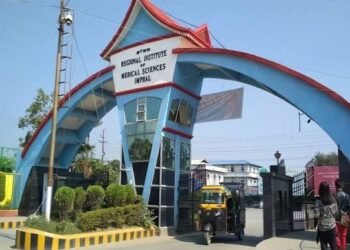
In Bengal, however, the religious tradition is markedly different. At Kolkata’s famed Kalighat temple, fish is not merely eaten by devotees — it forms part of the traditional bhog offered to Goddess Kali, while goat meat is also associated with the temple’s Shakta tradition.
That cultural difference has become politically significant after BJP leader Suvendu Adhikari visited Kalighat on Thursday evening on the occasion of Kaushiki Amavasya and participated in the traditional bhog. His meal reportedly included fish head, fried fish and basanti pulao.
His visit came amid a growing controversy over remarks by Bageshwar Dham head priest Dhirendra Shastri, who has urged Bengali Hindus to refrain from eating non-vegetarian food during Durga Puja. Shastri has also called for meat and liquor shops to remain closed during the festival and criticised Bengalis who eat meat while claiming to be devout Hindus.
The intervention has triggered a sharp response from the BJP’s Bengal leadership.
West Bengal BJP president Samik Bhattacharya rejected the suggestion that an outside religious figure could dictate what Bengalis should eat, saying Bengali Hindus would continue to eat fish and meat. He argued that no godman could decide the dietary practices of Bengal.
Adhikari’s visit to Kalighat has given that argument an even more powerful religious backdrop.
Putting all controversy at rest. CM Suvendu Adhikari is currently eating Kalighat Kali Maa’s Fish Bhog. Today is the final Amavasya and it’s a special day for us pic.twitter.com/rLIqwcWg3u
— Sudhanidhi Bandyopadhyay (@SudhanidhiB) September 10, 2026
For many Bengali Shaktas, fish is not simply a food item but part of a longstanding ritual tradition associated with offerings to the deity. The practice illustrates how Hindu customs can differ dramatically across India’s regions.
Adhikari has also sought to distinguish between everyday dietary choices and religious observance. He has said that he follows a sattvik diet on occasions such as Mahashtami and during Kartik month, but has no objection to consuming goat meat offered to Goddess Kali. At Kalighat, he participated in the temple’s traditional fish bhog.
The contrast with Uttar Pradesh is therefore striking. In several parts of UP, meat shops and non-vegetarian stalls have been shut or restricted during major Hindu religious occasions, including along routes associated with the Kanwar Yatra and in areas where authorities have sought to accommodate the sentiments of pilgrims and devotees.
READ: CRPF Raids Kuki-Zo Camp, Arrests Cadres as Women Protest
In Bengal, the same broad question of vegetarian versus non-vegetarian food does not neatly fit into the same religious framework. Fish can simultaneously be an everyday staple of Bengali cuisine and a ritual offering to a Hindu deity.
That creates an uncomfortable contradiction in the current political debate.
A practice that may be considered inappropriate around certain Hindu religious observances in one part of India can itself constitute an offering in another. What is treated as a religiously sensitive dietary issue in Uttar Pradesh can, in Bengal, be part of the worship of Goddess Kali.
CM bans meat, liquor shops on kanwar yatra routes
Ahead of the Kanwar Yatra, Uttar Pradesh Chief Minister Yogi Adityanath on July 17, 2026, ordered meat and liquor shops along the pilgrimage route to remain closed during the yatra.
Police were directed to monitor social media… pic.twitter.com/23myxIHZ8K
— Ritam English (@english_ritam) September 8, 2026
BJP spokesperson Pradeep Bhandari appeared to underline this distinction by seeking to end the controversy over Adhikari’s meal and pointing to his participation in Maa Kali’s traditional fish bhog.
The controversy therefore goes beyond whether Hindus should eat meat or fish. It raises a larger question over whether Hindu religious practice can be reduced to a single dietary code in a country where customs, rituals and traditions vary enormously from state to state.
In Bengal, where fish is deeply embedded in cuisine, culture and Shakta worship, attempts to impose a uniform dietary template are likely to face resistance — including from within the BJP itself.
Bageshwar Baba:
🗣️ “Many people MISINTERPRETED my statement in Bengal.
> I only said, if someone eats NON-VEG, please don’t do it near Mata’s pandal.I will definitely speak against ANIMAL SACRIFICE. You’re all our own.
Our scriptures speak, so we will speak about them.
— The Analyzer (News Updates🗞️) (@Indian_Analyzer) September 10, 2026
The Kalighat episode has consequently transformed a dispute over food into a wider debate over Hinduism, regional identity and the limits of religious prescription.
The irony is difficult to miss: in one part of India, authorities shut non-vegetarian stalls during major Hindu religious occasions; in another, fish is placed before a Hindu goddess as bhog.