In a major relief for NEET protesters, the Delhi government will review all arrests and withdraw cases against those without criminal antecedents, while continuing action against individuals accused of violence or with prior criminal records.
BY PC Bureau
New Delhi: The Delhi government on Thursday announced that no further legal action will be pursued against students and other demonstrators arrested during the recent protests over the alleged NEET question paper leak, except in cases involving individuals with prior criminal records.
The decision fulfils a key assurance given to the Cockroach Janta Party (CJP), which led the month-long agitation at Jantar Mantar, and follows the Supreme Court’s July 28 direction asking governments not to take coercive action against peaceful protesters lacking criminal antecedents.
In an official notification issued on Thursday evening, the Delhi government said 13 FIRs had been registered by Delhi Police in connection with the protests up to the evening of July 29. It directed that all arrests, detentions and criminal proceedings arising out of the agitation be reviewed. Following the review, eligible protesters who do not have criminal antecedents will be released, and the cases against them will be closed.
Delhi Home Minister Ashish Sood said the government had acted in keeping with the assurances extended to the protesting students during negotiations that eventually brought the agitation to an end.
READ: The State of TV News: Falling Revenues, ‘Godi Media’ Tag, and Crisis of Trust (Part 2)
“We stand with the students, and it is in that spirit that we have issued this order. Our government has honoured its commitment to them,” Sood said.
At the same time, the minister clarified that the concession would not extend to those who may have exploited the protests to engage in criminal activity.
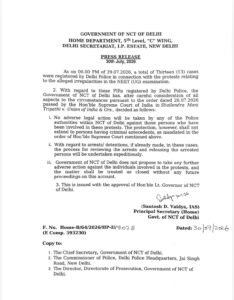
Reacting to the development, CJP Chief Spokesperson Saurav Das says, “According to the Delhi government’s notification, it mentions that there are 13 FIRs as per their count. As far as we know, there are 20 FIRs. In any case, they have used the words that no action will be taken against any protester in the future and that the FIRs should be considered closed. It also states that the detainees and those who have been arrested will be released as soon as possible. We want the government to use the correct language.”
Delhi: CJP Chief Spokesperson Saurav Das says, “According to the Delhi government’s notification, it mentions that there are 13 FIRs as per their count. As far as we know, there are 20 FIRs. In any case, they have used the words that no action will be taken against any protester… pic.twitter.com/y87xQCni7c
— IANS (@ians_india) July 30, 2026
“If any anti-social elements with criminal antecedents used the student movement as an opportunity to spread violence or commit offences, appropriate legal action will continue against them,” he said.
The announcement marks another significant step in implementing the agreement reached between the government and CJP leaders after weeks of intense protests that placed the Centre under sustained political pressure.
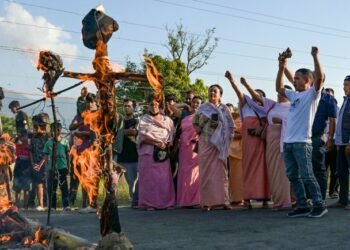
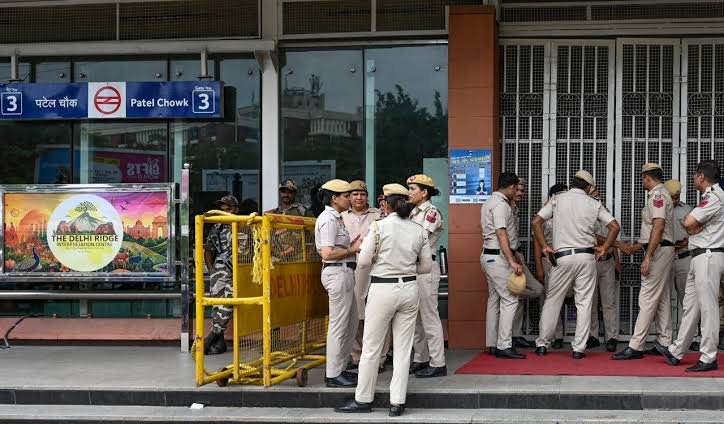
The agitation reached its most volatile phase on July 20, when thousands of protesters attempted to march from Jantar Mantar to Parliament under the banner of the CJP’s ‘Chalo Sansad’ campaign. The march ended in violent clashes after police stopped the procession, leading to widespread allegations of excessive use of force, including lathi charges, tear gas and the reported use of pellet rounds.
Delhi Police subsequently registered multiple criminal cases and identified several protesters through CCTV footage and video recordings, leading to arrests in the days that followed.
However, growing public outrage over the police action, coupled with mounting political pressure from opposition parties and civil society groups, forced the government into negotiations with the CJP leadership.
While the movement’s principal demand remained the resignation of Union Education Minister Dharmendra Pradhan, protesters had also insisted on the withdrawal of criminal cases against students and volunteers, action against police personnel accused of using excessive force, and compensation for the families of students who allegedly died by suicide in the wake of the examination controversy.
Following Pradhan’s resignation and assurances from the Centre on several of these demands, the CJP formally called off its 37-day protest. Nevertheless, the organisation warned just two days later that it would resume demonstrations if the government failed to honour its promise to withdraw police cases against protesters.
Thursday’s order is expected to ease those concerns by providing an official framework for reviewing the cases and granting relief to eligible demonstrators.
The government’s decision also comes in the backdrop of the Supreme Court’s July 28 order directing authorities across the country not to adopt coercive measures against peaceful protesters and to release those who do not have criminal antecedents. The apex court had underlined the need to distinguish between genuine student protesters and individuals accused of serious criminal conduct.
With the latest announcement, the Delhi government has signalled that the criminal cases arising out of one of the country’s largest student-led agitations in recent years will largely be brought to a close, while leaving the door open for prosecution of those accused of unrelated criminal acts or violence.