Experts argue that lasting peace in Manipur requires equal concern for all victims, warning that selective silence risks deepening mistrust among communities.
BY Navin Upadhyay
May 22, 2026: Even as Manipur continues to bleed under the weight of ethnic violence, the recent remarks by State Home Minister Govindas Konthoujam reveal a troubling pattern that has come to define the government’s crisis response: selective outrage, selective empathy, and selective silence.
The Minister’s appeal for the safe release of six Naga civilians allegedly abducted by suspected armed Kuki militants from Kangpokpi district is necessary and welcome. Every hostage matters. Every civilian life deserves protection. In a state collapsing under cycles of revenge, any call for humanity should be appreciated.
But humanity loses credibility when it becomes conditional.
While publicly expressing concern over the six missing civilians, the Home Minister remained conspicuously silent on the reported abduction of 14 Kuki-Zo civilians allegedly taken hostage by suspected Naga militants. More disturbingly, there was no mention of the brutal targeted killing of three Baptist church leaders — an incident that has shaken the already traumatised Kuki-Zo community.
READ: 19M Cockroaches Swarm Insta, Govt Hits Them on X
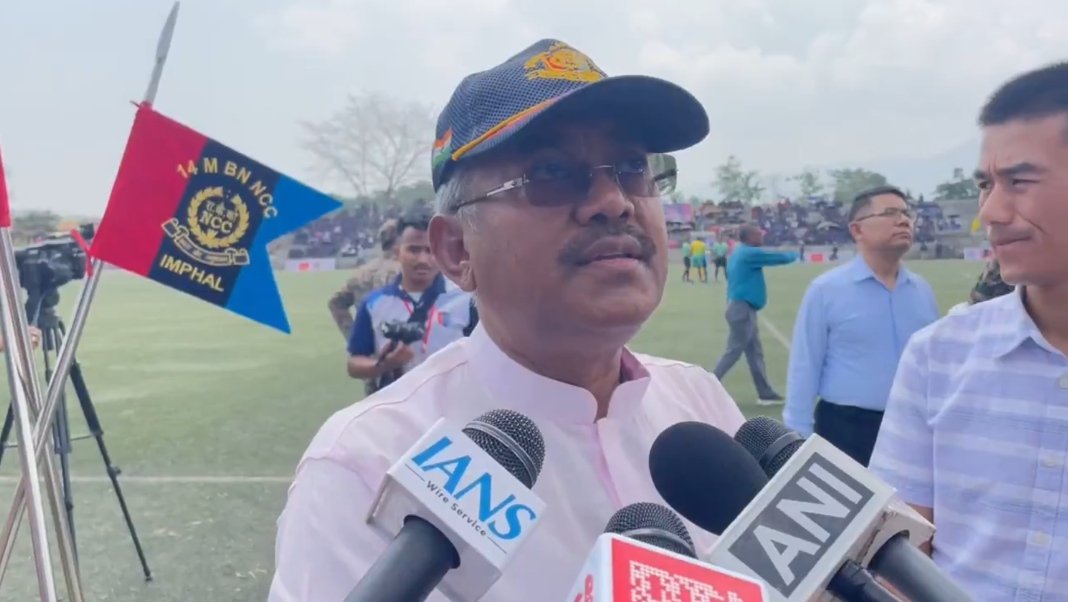
“There is still no lead regarding the six missing civilians,” Konthoujam said, adding that security forces and government agencies have been carrying out continuous operations to trace the missing persons. Incidentally, the United Naga Council has claimed that six members of the Naga community have been missing since May 13. However, Kuki-Zo civil society organisations have maintained that they have no information regarding the whereabouts of the missing civilians and denied any knowledge of them being taken hostage.
Ten days after the killings, the silence from the state machinery has become deafening.
No NIA probe. No high-level judicial inquiry. No special investigation team announced with urgency matching the gravity of the crime. Not even on suspect arrested. No visible attempt to reassure a frightened minority community that justice will be pursued without bias. In conflict zones, silence from the state is never neutral; it is interpreted as indifference, and often as complicity.
The government’s response has also appeared dismissive toward repeated appeals from Kuki-Zo civil society organisations demanding the rescue of the alleged hostages and arrest of those responsible for killing the church leaders. Allegations that elements within the Manipur Police were directly involved in the abduction in Senapati district make the matter even more explosive and deserving of an independent probe.
Yet the official response remains muted.
This selective approach risks deepening the already dangerous perception that some victims are more worthy of state sympathy than others. In a fractured society like Manipur, such perceptions are combustible.
The State cannot ask one community to believe in “humanity and forgiveness” while appearing unwilling to acknowledge the suffering of another. Peace cannot be built upon unequal grief.
The irony is stark. At the same event where the Home Minister spoke about unity and reconciliation during the “NCC Ekta Cup,” the state continues to struggle with a credibility deficit among communities who increasingly view official institutions through the lens of ethnic bias.
The ongoing de-weaponisation drive, highway restoration efforts, and security operations may all be necessary. But peace in Manipur will not emerge merely through confiscating arms or reopening roads. It will come only when justice is seen to be impartial.
That requires the government to speak with equal moral clarity on every abduction, every killing, every act of terror — regardless of who the victims are or which community the perpetrators belong to.
Anything less will only widen the wounds Manipur is desperately trying to heal.