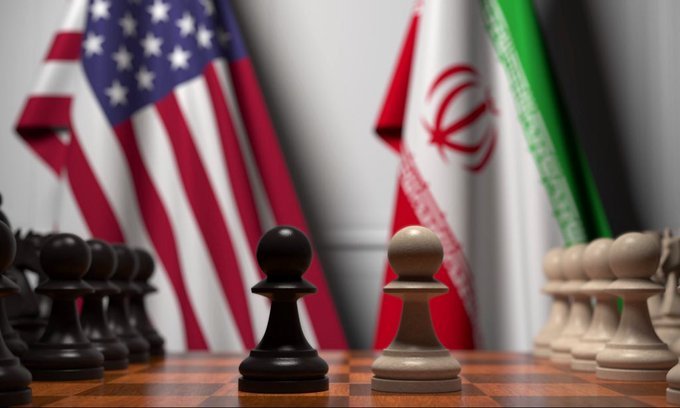
June 12: Less than three weeks after the Middle East appeared to be on the brink of a wider regional war, the United States and Iran are now reportedly on the verge of signing a diplomatic agreement that could significantly ease tensions, restore commercial shipping through the Strait of Hormuz, and launch a new round of negotiations over Tehran’s nuclear programme.
CNN has reported that negotiators from both countries have agreed on the text of an interim memorandum of understanding, marking what could become the most important breakthrough in US-Iran relations in years. While the proposed agreement still awaits final approval from Iranian leaders, officials involved in the process have expressed growing confidence that a deal could be formalised within days.
The emerging accord follows weeks of intense diplomatic activity involving multiple international mediators and comes after a period of military confrontation that raised fears of a prolonged conflict with potentially devastating consequences for the region and the global economy.
US President Donald Trump on Thursday projected confidence that an agreement was imminent, declaring that the United States had effectively “ended the war with Iran” and describing the proposed memorandum as a “very strong understanding” between the two sides. Trump indicated that Vice President JD Vance could attend a signing ceremony in Europe as early as this weekend.
However, Tehran has adopted a more cautious tone. Iran’s Foreign Ministry has stopped short of confirming the existence of a final agreement, with officials insisting that discussions remain ongoing and that no formal decision has yet been taken.
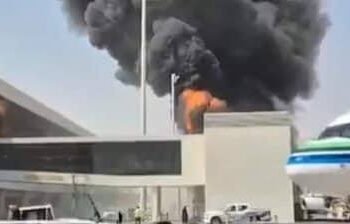
READ: Fire Destroys 4,000 EVMs in Govt Building in Kolkata
Iran’s state-run Mehr News Agency claims that these are the details of the emerging agreement between the US and Iran:
1. Ending the war “on all fronts”, including Lebanon
2. The US committing to “non-interference in Iran’s internal affairs”
3. US naval blockade lifted within…
— Faytuks News (@Faytuks) June 12, 2026
Geneva Emerges as Likely Venue
According to reprots, multiple diplomatic sources say Geneva has emerged as the most likely location for a signing ceremony, although alternative venues remain under consideration. One source familiar with the discussions said the ceremony could take place as early as Sunday if final approvals are secured.
Officials involved in the negotiations reportedly view the signing not as the conclusion of talks but as the beginning of a broader diplomatic process aimed at resolving several longstanding disputes between Washington and Tehran.
The signing would mark the start of a “second phase” of negotiations focused on implementing the agreement and addressing unresolved issues, including sanctions relief, nuclear oversight mechanisms, and regional security concerns.
Key Elements of the Proposed Agreement
Reports said the memorandum contains several major provisions intended to reduce tensions and stabilise the region.
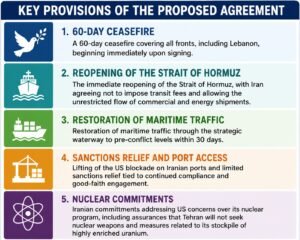
Among the most significant measures is a 60-day ceasefire covering all active fronts linked to the conflict. The ceasefire would take effect immediately upon signing and is intended to create political space for broader negotiations.
The agreement would also provide for the immediate reopening of the Strait of Hormuz, one of the world’s most strategically important maritime chokepoints. Under the proposed arrangement, Iran would allow unrestricted passage of commercial and energy shipments without imposing additional transit fees.
Maritime traffic through the strait is expected to gradually return to pre-conflict levels within approximately 30 days of implementation.
The memorandum reportedly includes provisions for lifting the US blockade on Iranian ports and introducing limited sanctions relief. However, diplomats say any sanctions easing would be tied to continued compliance with the agreement and further diplomatic engagement rather than being granted automatically on a fixed timetable.
Nuclear Issue at the Centre
The nuclear question remains at the heart of the negotiations.
According to diplomats briefed on the talks, the agreement contains commitments designed to address Washington’s longstanding concerns regarding Iran’s nuclear activities. These include assurances that Iran will not seek to develop a nuclear weapon and measures related to the monitoring and management of its stockpile of highly enriched uranium.
While negotiators appear to have made significant progress on nuclear-related issues, questions reportedly remain over the fate of billions of dollars in frozen Iranian assets held abroad. The release of those funds has long been a key demand of Tehran and is believed to have been one of the final issues discussed during recent rounds of negotiations.
Pakistan’s Diplomatic Role
The agreement is reportedly expected to be known as the “Islamabad Agreement” or “Islamabad Declaration,” reflecting Pakistan’s role in facilitating contacts between the two sides.
Pakistan’s Foreign Ministry welcomed the reported progress on Friday, describing it as the result of sustained diplomatic engagement.
Foreign Minister Muhammad Ishaq Dar discussed the developments during a conversation with the European Union’s foreign policy chief, with both sides expressing hope that current efforts would ultimately produce a durable and peaceful settlement.
The acknowledgement of Pakistan’s role highlights the increasingly complex network of regional and international actors that have sought to prevent the conflict from escalating further.
Iran Yet to Give Final Approval
Despite growing optimism among diplomats, Iranian officials continue to emphasise that no final agreement has been approved.
A spokesperson for Iran’s Foreign Ministry described media reports of a completed deal as premature and maintained that Tehran had not yet reached a final decision regarding any proposed understanding.
The cautious messaging reflects the political sensitivities surrounding negotiations with Washington, particularly within Iran’s domestic political establishment, where any agreement with the United States remains subject to intense scrutiny.
Global Implications
Should the agreement be finalised, it would represent a major diplomatic victory for all parties involved and could have far-reaching consequences beyond the immediate conflict.
The reopening of the Strait of Hormuz would help reassure global energy markets, through which a substantial share of the world’s oil and liquefied natural gas exports pass. Reduced tensions could also lower the risk of disruptions to international shipping and ease concerns about a broader regional confrontation.
For Washington and Tehran, the accord would provide an opportunity to move from crisis management toward structured negotiations, potentially laying the groundwork for a more comprehensive agreement addressing nuclear issues, sanctions, regional security, and economic cooperation.
For now, however, diplomats caution that the deal remains unfinished. Until Tehran gives its final approval and the memorandum is formally signed, the proposed accord remains a promising but unconfirmed breakthrough in one of the world’s most volatile geopolitical disputes.