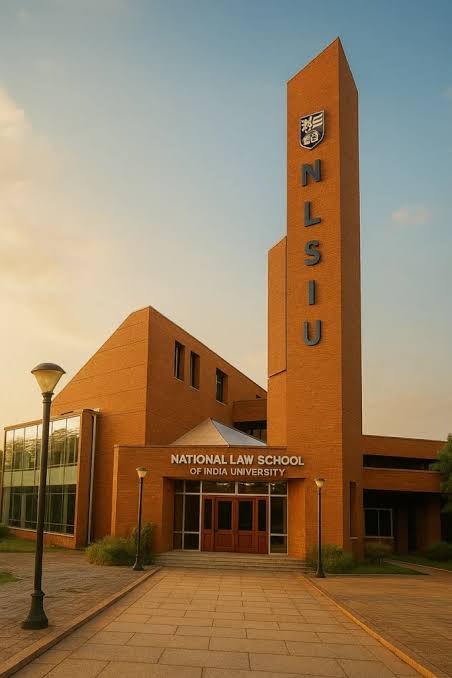
A joint statement signed by 165 Class of 2026 graduates, 409 current students and 128 alumni expressed solidarity with NALSAR students and criticised the BCI’s earlier move against the graduating batch over their opposition to the CJI’s convocation appearance.
BY PC Burfeau
Bengaluru/ August 16, 2026: A growing protest has emerged at the National Law School of India University (NLSIU), Bengaluru, with students and alumni opposing the proposed presence of Chief Justice of India Surya Kant and Bar Council of India (BCI) chairman Manan Kumar Mishra at the university’s upcoming convocation, saying their participation would be difficult to reconcile with the unresolved controversy surrounding the BCI’s treatment of NALSAR students.
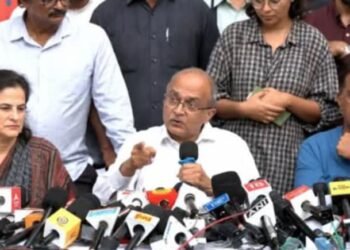
A joint statement signed by 165 members of the NLSIU Class of 2026, 409 current students and 128 alumni expressed “unconditional solidarity” with students and faculty of the National Academy of Legal Studies and Research (NALSAR), Hyderabad. The signatories said a convocation should be a moment of pride for graduating students and their families and argued that the participation of senior figures whom they believe had shown disregard for student dissent would undermine the dignity of the occasion.
The controversy has now moved beyond NALSAR and into another of India’s premier law schools, highlighting growing tensions between legal education institutions, student activism and the country’s legal regulator.
Students object to both BCI chief and CJI
The NLSIU group said its objection to the proposed participation of Mishra and CJI Surya Kant was rooted in the events surrounding the NALSAR convocation dispute.
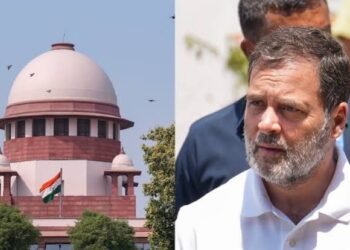
At NALSAR, students had opposed the invitation to the CJI to attend their convocation as chief guest. The disagreement escalated sharply after the BCI issued directions preventing State Bar Councils from enrolling the university’s 2026 graduates as advocates, citing the students’ campaign against the CJI’s participation.
The directive triggered widespread criticism because enrolment with a State Bar Council is a crucial step for law graduates seeking to begin legal practice. The Supreme Court subsequently came down strongly on the BCI’s action, questioning the regulator’s authority to take such a step against students for expressing their views.
The BCI later withdrew the directive and closed the proceedings against the NALSAR students. Mishra also issued a public apology on August 15, saying he regretted remarks or actions that may have caused hurt to law students.
But the NLSIU signatories argue that the withdrawal and apology do not erase the concerns raised by the episode.
READ: From Party Flags to Bikini Row: The Selective Outrage Over Tiranga Insults
‘A landmark occasion turned into a mockery’
In their statement, the students and alumni described convocation as a landmark occasion in the lives of graduates and their families.
They argued that inviting senior figures associated with the NALSAR controversy would be offensive and humiliating to students who had publicly supported their counterparts in Hyderabad.
The group also backed NALSAR students’ demand that the CJI not attend their convocation as chief guest and said it was applying the same principle to NLSIU’s own ceremony.
The protest is therefore not simply about who delivers a convocation address. It has become a larger argument over the relationship between authority and dissent within India’s legal education system.
For students preparing to enter the legal profession, the message is particularly significant: can a law school celebrate academic achievement while its students simultaneously feel compelled to protest against the institutions that regulate their future profession?
Questions over the BCI’s authority
The NLSIU statement also questioned the BCI’s handling of the NALSAR episode.
The students demanded an unconditional apology from the BCI to NALSAR and sought clarity over the rules governing the use of the BCI chairman’s official letterhead.
They also objected to directions seeking to identify students who had made representations or participated in the campaign. The signatories described this as a potential “witch-hunt”, arguing that such action could have a chilling effect on dissent and free expression on university campuses.
Their contention is that the BCI’s intervention went beyond its statutory mandate under the Advocates Act, 1961, and raised concerns under Article 19(1)(a) of the Constitution, which protects freedom of speech and expression.
Those are ultimately legal questions that would have to be determined through the appropriate constitutional and statutory processes. But the controversy has already exposed an uncomfortable institutional question: how far should a professional regulator go when student speech becomes critical of senior members of the legal establishment?
Supreme Court criticism changed the trajectory
The NALSAR controversy intensified after the BCI directed State Bar Councils not to enrol the university’s 2026 graduates.
The move was particularly consequential because it threatened to affect the professional future of an entire graduating batch rather than merely the students who had participated in the campaign.
The Supreme Court subsequently criticised the BCI’s approach and questioned whether the regulator had the power to impose such a collective consequence on students. The Court also indicated that the affected graduates should not be prevented from beginning their professional careers because of the controversy.
The BCI eventually reversed course.
The sequence—directive, backlash, judicial intervention, withdrawal and apology—has left a larger institutional question behind: why was such a punitive measure contemplated in the first place?
That question appears to be at the heart of the NLSIU students’ protest.
Mishra’s apology comes amid mounting criticism
The timing of the NLSIU statement is significant.
On August 15, Mishra publicly apologised to law students, saying he sincerely regretted any remarks or actions that had caused hurt. He also urged students to participate peacefully in their convocation ceremonies and called for dialogue rather than escalation.
The apology could potentially ease tensions, but the NLSIU signatories appear to be seeking something broader than an expression of regret.
They want institutional accountability.
Their argument is that an apology after an order has been issued does not necessarily answer questions about how such an order was conceived, who authorised it and what safeguards existed before an entire graduating class was threatened with professional consequences.
Concerns over political remarks
The NLSIU statement also criticised what its signatories described as partisan political remarks made by the BCI chairman.
They argued that repeated political interventions by someone heading India’s statutory legal regulator risk undermining confidence in the institution and blurring the distinction between professional regulation and partisan politics.
This concern is particularly sensitive because Mishra is not merely a private advocate. He is the chairman of the BCI and also a Rajya Sabha member. His dual public roles inevitably attract scrutiny whenever he makes politically charged statements or takes decisions affecting law students and lawyers.
The issue is therefore larger than one individual.
It concerns whether India’s principal statutory regulator of the legal profession can command confidence across ideological and institutional lines.
NLSIU and BCI have a long institutional relationship
There is also considerable irony in the current confrontation.
The BCI chairman has previously participated in NLSIU’s academic events. NLSIU’s own records show Mishra attending its 2023 library inauguration and its 2021 convocation proceedings.
The CJI, too, has traditionally played an important role in NLSIU’s ceremonial life. The university’s Chancellor is the Chief Justice of India, and previous convocations have featured the CJI in a prominent role.
The current dispute therefore represents a remarkable change in the relationship between the university and two of the country’s most senior legal institutions.
A test for India’s legal education system
The confrontation should not be reduced to a dispute between students and personalities.
At its core is a question central to legal education itself.
Law schools are supposed to teach students to question authority, scrutinise executive and regulatory action, defend unpopular positions and understand constitutional limits on power. A student who respectfully disagrees with a public authority is not necessarily challenging the institution of law; such dissent can be part of learning how constitutional democracy functions.
At the same time, public institutions and professional regulators have legitimate responsibilities. They cannot be expected to accept every form of conduct without scrutiny merely because it is labelled protest.
The difficult task is drawing the line between legitimate dissent and punishable misconduct.
The NALSAR episode demonstrated what happens when that line becomes blurred.
The issue is now bigger than the convocation
For the NLSIU students and alumni, the controversy is ultimately about accountability.
They have made clear that their protest is intended not merely to register displeasure but to “set the record straight” and discourage similar action against student dissent in the future.
The BCI’s withdrawal of its NALSAR directive and Mishra’s subsequent apology have already changed the immediate contours of the dispute. But the underlying questions remain.
What powers does the BCI possess over students before they enter the profession? What procedural safeguards must accompany disciplinary or regulatory action? Can criticism of constitutional authorities trigger professional consequences? And how should legal institutions respond when students exercise their right to dissent?
Those questions deserve answers that go beyond personalities.
Because if India’s premier law schools cannot provide a safe space for students to disagree with powerful institutions, the problem is no longer about one convocation.
It becomes a test of what India’s legal education system is actually teaching its future lawyers about freedom, accountability and the limits of power.