CJP chief spokesperson Saurav Das said the Prime Minister’s remarks reflected an attempt to equate dissent with extremism and warned that such rhetoric could alienate a generation increasingly willing to question authority.
“Dimagi Naxal” or whatever is not going to work, Prime Minister. How could you loosely brand educated young people “naxalis” etc? Just because they question your government? Sheer arrogance! Sheer incompetence at resolving their problems!
Bells are ringing. The awakening is… https://t.co/DHuGkhWrGN
— Saurav Das (@SauravDassss) August 15, 2026
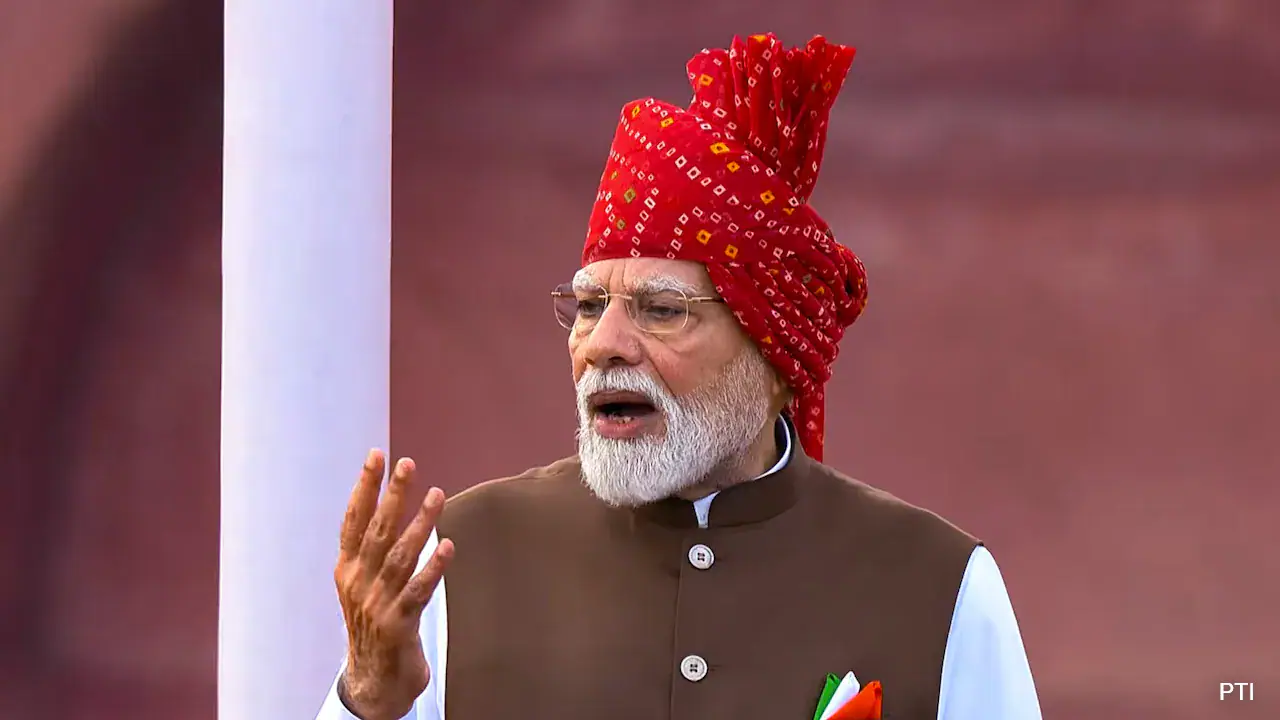
Addressing the nation from the Red Fort on India’s 80th Independence Day, Modi said armed Naxalism was nearing its end but cautioned that a “dimagi Naxal” mindset continued to pose a threat. He alleged that people holding such views look for opportunities to create violence and disorder, and said they needed to be identified and isolated while the country’s youth should be brought into the mainstream.
Responding in a post on X, Das rejected the characterisation.
“Dimagi Naxal or whatever is not going to work, Prime Minister. How could you loosely brand educated young people ‘Naxalis’ etc? Just because they question your government? Sheer arrogance! Sheer incompetence at resolving their problems?” he said.
“Bells are ringing. The awakening is here!” Das added.
PM Modi calls out the
“Dimagi Naxals” still looking for opportunities to revive violence, anarchy and unrest.. pic.twitter.com/1U87eoURX8— Ajit kumar (@connectajitcpr) August 15, 2026
‘Fear has finally broken’
In a separate Independence Day message, Das portrayed the current political climate as the beginning of a new phase of youth mobilisation, arguing that the country was celebrating Independence Day in a deeper sense after what he described as 12 years of growing fear.
“Something within us has finally broken free: The fear,” he said.
Das argued that a generation that had once been encouraged to remain silent was finding its voice, while young people who had been told that meaningful change was impossible were beginning to believe otherwise.
“An era of awakening has begun. An era of peaceful protest has begun,” he said.
His remarks appeared to draw on the CJP’s campaign at Jantar Mantar, which has sought to position itself as a youth-led protest movement centred on examination reforms, accountability and opposition to what it describes as failures in the education system.
‘A Jantar Mantar in every district’
Das said the movement’s vision extended beyond Delhi, suggesting that every district could eventually have a “Jantar Mantar”—a public space where people who feel powerless could come together and demand change.
“A Jantar Mantar” would emerge in every district, he said, where “the hopeless could rediscover hope together” and “the powerless could draw strength from collective action.”
The language reflects the CJP’s attempt to frame protest not as confrontation with the state but as an exercise of democratic participation.
Attack on ‘Your Gen-Z vs Our Gen-Z’
Das also accused those in power of attempting to divide young people by portraying different sections of Generation Z as political opponents.
He criticised what he called the narrative of “Your Gen-Z vs Our Gen-Z”, arguing that attempts to create divisions among young Indians would ultimately fail.
“Because they know what history holds: There is nothing more powerful than a people who refuse to be divided!” he said.
Das ended his message on a defiant note: “They will divide. We will unite. They will spread fear. We will spread courage. The mind is without fear now. And there is no going back.”
READ: NLSIU Students Oppose CJI, BCI Chief at Convocation
READ: From Party Flags to Bikini Row: The Selective Outrage Over Tiranga Insults
Dissent versus extremism
The clash between Modi’s “dimagi Naxal” warning and Das’s response reflects a broader political argument over where legitimate dissent ends and extremism begins.
The Prime Minister’s remarks were framed around the continuing threat of violence and the need to prevent the revival of armed Left-wing extremism. Das, however, interpreted the phrase as potentially encompassing young people whose opposition remains political and peaceful.
That distinction is central to the debate.
Questioning government policy, demanding accountability and organising peaceful protests are protected features of democratic politics. Armed violence and attempts to overthrow the constitutional order through force are a different matter.
The challenge for political leaders is to ensure that the two are not casually conflated.
For the CJP, Das’s response was an opportunity to turn the Prime Minister’s phrase into a broader argument about youth dissent.
For the government, the reference was intended as a warning about ideological networks that can potentially feed violence.
The political contest over the phrase is therefore likely to continue well beyond Independence Day.
And Das’s closing message captures the tone of the confrontation: “The mind is without fear now. And there is no going back.”