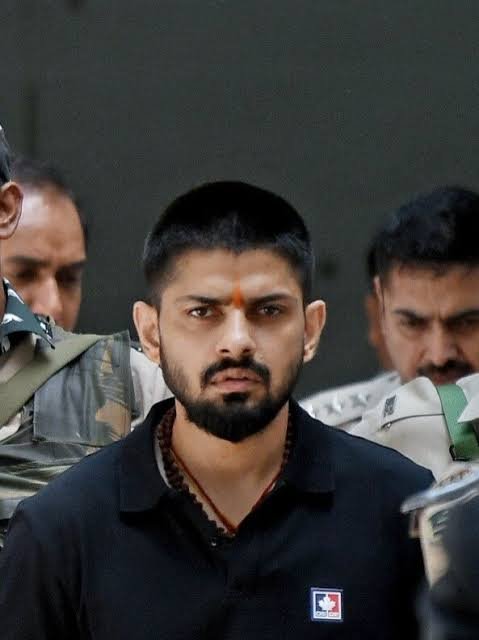
Lawrence Bishnoi transfer to Sabarmati Jail’s “Do Sau Kholi” comes amid efforts to prevent him from managing his alleged criminal network from behind bars. His cell reportedly measures 7.5 by 11 feet, while the enclosure is divided into four segregated sections.
BY PC Bureau
NEW DELHI/October 27: In a significant tightening of security around gangster Lawrence Bishnoi, he has reportedly been moved to one of Sabarmati Central Jail’s most restrictive enclosures, known as “Do Sau Kholi” or “Block 200”. The transfer is aimed at curbing his ability to communicate with associates outside prison and maintain control over his alleged criminal network. The high-security block houses around 200 inmates accused or convicted in terrorism-related and other serious criminal cases.
The enclosure is divided into four segregated sections, each accommodating 50 prisoners, to restrict interaction and prevent movement between sections. Bishnoi’s cell reportedly measures approximately 7.5 by 11 feet.
The block also houses convicts in the 2008 Ahmedabad serial bombings case. It is designated for prisoners facing stringent security restrictions, including limitations on movement outside their cells or designated areas under applicable prison rules and legal orders.
READ: AAP Leader’s Brother Shot Dead Near Amritsar Gurdwara
Before his reported transfer, Bishnoi was lodged in “Dus Kholi”, a smaller high-security enclosure accommodating about 10 inmates. He had previously been held in Tihar Jail and other prisons in Punjab.
Until 2023-24, Bishnoi was repeatedly linked to extortion calls, threatening audio and video messages, and interviews that reportedly helped him maintain influence over criminal associates outside prison. Investigators have long been concerned about the ability of organised crime figures to operate networks while in custody.
Recordings of calls in which Bishnoi allegedly threatened call-centre owners, along with a purported conversation with gangster Shehzad Bhatti, surfaced during his time in different jails. Such incidents raised questions about how incarcerated gangsters could continue communicating with people outside prison.
Efforts to Isolate Bishnoi
Investigators have reportedly detected no direct calls or communications originating from Bishnoi over the past two years. This suggests that restrictions may have curtailed his ability to communicate directly with his network. However, the absence of detected direct communications does not, by itself, establish that all contact with associates has ceased.
The reported transfer to Block 200 marks another step in efforts to isolate Bishnoi from the outside world and restrict his ability to influence criminal activities from behind bars. The effectiveness of the measures will depend on how consistently prison authorities enforce communication restrictions and prevent unauthorised contac