Iran warned passage through the strategic oil chokepoint will remain subject to Iranian oversight unless Washington lifts restrictions on vessels linked to Iranian ports.
BY PC Bureau
April 18, 2026 — In a sharp reversal just one day after declaring the Strait of Hormuz open to commercial shipping, Iran on Saturday reimposed strict controls over the strategic waterway, accusing the United States of violating an implicit understanding by continuing its naval blockade on vessels entering or leaving Iranian ports.
In a statement, Iran’s military command said Washington had failed to honor what Tehran viewed as the basis for Friday’s partial reopening of the strait, warning that freedom of navigation through the vital chokepoint would now remain subject to Iranian oversight.
“Until the United States restores freedom of movement for all vessels visiting Iran, the situation in the Strait of Hormuz will remain strictly controlled,” the statement said.
BREAKING | The spokesperson for the Khatam al‑Anbiya Headquarters:
Following the continued U.S. naval blockade, the Strait of Hormuz has been closed again. pic.twitter.com/q0IaH3eZ0V
— Iran Military News ☫ (@IranMilitaryEN) April 18, 2026
The move marks a serious escalation in tensions at a moment when a fragile ceasefire between Iran, the United States and Israel appeared to be holding, and when diplomatic efforts — including a fresh round of talks expected in Islamabad on April 20 — had raised cautious hopes for de-escalation.
READ: Iran Flags Trump’s Lies, Threatens to Block Hormuz Again
Reversal After Brief Opening
Only a day earlier, Iranian officials had declared the Strait of Hormuz “completely open” to commercial vessels for the duration of the ceasefire period linked to broader regional arrangements, including the Israel-Hezbollah truce in Lebanon. The announcement had been welcomed internationally, with President Donald Trump calling it a positive development, even as he insisted the US naval blockade targeting Iranian ports would remain in force until a broader peace agreement was reached.
That position now appears to have triggered Tehran’s response.
Iranian officials argue that reopening the strait was linked to an expectation that the United States would ease maritime pressure on Iranian shipping. By maintaining the blockade, Tehran says Washington has broken that understanding and forced Iran to respond.
The latest move could mean tighter Iranian control over vessel routing, mandatory authorization requirements, expanded inspections, or potentially even renewed restrictions on transit through designated corridors.
Strategic Chokepoint Under Pressure
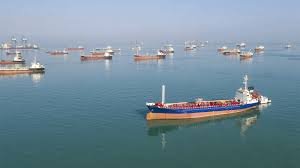
The Strait of Hormuz, which carries roughly one-fifth of global oil supplies, remains one of the most sensitive energy chokepoints in the world. Any disruption there reverberates quickly through oil markets, shipping costs, insurance rates, and broader global trade.
Earlier in the conflict, Iran had effectively restricted much of the passage, contributing to sharp oil price spikes and widespread market volatility. Friday’s announcement of reopening had briefly eased some of those concerns. Saturday’s reversal has now revived fears of renewed disruption.
Shipping companies and energy traders are closely watching whether Iran’s announcement amounts to a de facto closure or a stricter regulatory regime under Iranian military supervision.
Ceasefire and Diplomacy Under Strain
The decision also casts fresh uncertainty over the fragile ceasefire framework brokered in part through Pakistani mediation and threatens to complicate the next round of US-Iran talks expected in Islamabad.
Iranian Parliament Speaker and chief negotiator Mohammad Bagher Ghalibaf had already warned that the strait “will not remain open” if the United States continued its blockade on Iranian ports, signaling Tehran was prepared to use control over the waterway as leverage in negotiations.
Washington has maintained that its blockade targets only Iranian ports and does not impede freedom of navigation for third-country vessels. But Tehran views the measure as economic warfare and increasingly appears willing to respond symmetrically.
Risks of Wider Fallout
Analysts warn the renewed restrictions could trigger several consequences:
- Energy Market Shock: Even limited disruption in Hormuz could send oil prices sharply higher and rattle global markets.
- Shipping and Insurance Risks: Tankers may face higher premiums, delays, or rerouting.
- Military Escalation: The possibility of confrontation involving the IRGC, US naval forces, or regional actors remains a major concern.
- Diplomatic Breakdown: If the Hormuz dispute spills into upcoming negotiations, prospects for a broader settlement could weaken significantly.
With military forces still positioned across the Gulf and both sides continuing indirect communications, the situation remains highly fluid.
Whether Iran’s move proves to be a negotiating tactic or the beginning of a more serious maritime confrontation may become clearer in the coming days. For now, control of one of the world’s most strategic waterways has once again become central to the US-Iran standoff — with potentially profound implications for global energy security and regional stability.