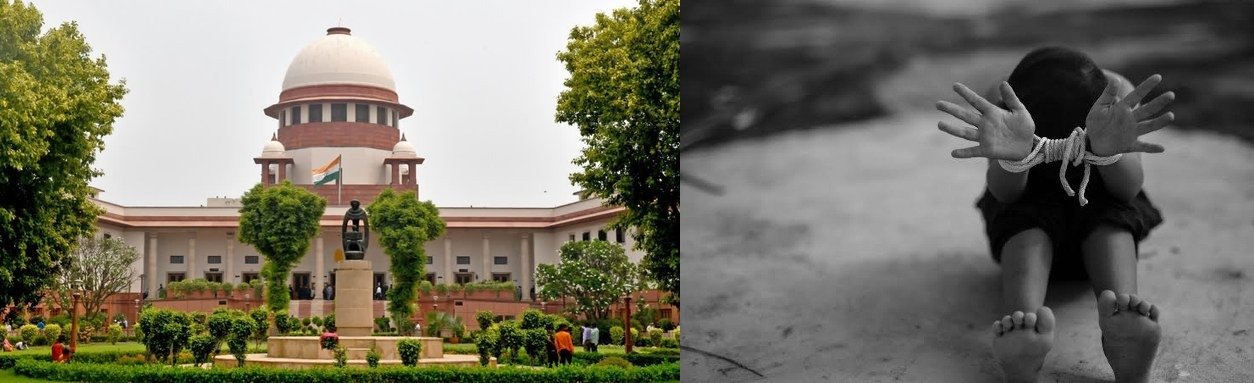
NEW DELHI, September 28: In a major indictment of the Rekha Gupta-led BJP government’s handling of public safety in Delhi, the Supreme Court on Monday took suo motu cognisance of a series of recent rape and sexual-assault cases in Delhi-NCR, saying the incidents “starkly underline a systematic failure” by law-enforcement and public-administration authorities to guarantee basic public safety.
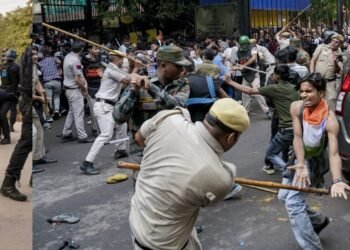
The Court’s intervention came after reports of recurring sexual offences, including the gang-rape of a 17-year-old girl at Astha Kunj Park near Kalkaji and the alleged sexual assault of a minor inside a moving sleeper bus travelling from Greater Noida towards Delhi.
A Bench of Justices J.B. Pardiwala and K. Vinod Chandran expressed serious concern over the incidents and said they raised a larger question about whether the law-enforcement system had made “any meaningful progress” since the 2012 Nirbhaya case.
READ: SIR-Hit Bengal Voters Seek Remedy, SC Says ‘Only By-Elections’
“One cannot help but draw painful parallels to the Nirbhaya incident of 2012,” the Bench observed.
The Court said the recent cases, viewed alongside other reported sexual offences across Delhi-NCR, pointed to systemic shortcomings in the protection of citizens, particularly in public spaces.
The observations amount to a serious judicial indictment of the functioning of the authorities responsible for public safety, even as the Court stopped short of singling out the Delhi government alone and directed that the institutional failures be examined through a suo motu proceeding.
The Bench stressed that the right to live with dignity and without fear of violence is an intrinsic component of the right to life under Article 21 of the Constitution.
It said roads, parks, buses, metro stations, subways and footbridges cannot become “zones of high risk” because of inadequate lighting, surveillance, patrolling or other preventable administrative lapses.
The Court also made clear that expressions of concern by governments and elected representatives after crimes occur are insufficient.
“Expressing solidarity is not a solution to this social evil,” the Bench said, calling instead for a measurable response and accountability to be fixed on authorities entrusted with crime prevention, maintenance of public order and protection of vulnerable persons.
The Supreme Court directed that the matter be registered as a suo motu case, opening the way for judicial scrutiny of the preventive policing, surveillance, public infrastructure and administrative mechanisms responsible for women’s safety across Delhi-NCR.