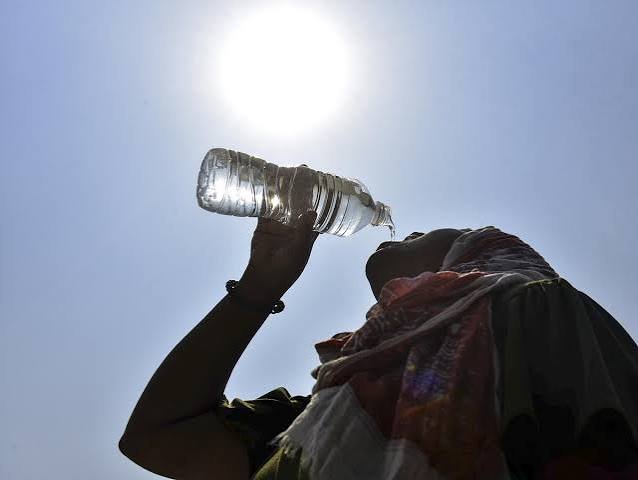
With the monsoon yet to reach Delhi, soaring temperatures, rising humidity and warm nights have turned daily life into a struggle. Experts say changing weather patterns and climate change are making such delays increasingly severe.
BY PC Bureau
June 29, 2026: For millions across North India, the wait for the southwest monsoon is becoming increasingly agonising. Instead of the cooling showers that usually arrive by the last week of June, residents are battling scorching temperatures, oppressive humidity and sweltering nights that offer little respite.
Delhi has emerged as the epicentre of this prolonged heat spell. The national capital recorded its warmest June morning in two years, while the combination of high temperatures and humidity pushed the “feels-like” temperature to nearly 50°C in some parts of the city.
Although the India Meteorological Department (IMD) has said conditions are becoming favourable for the southwest monsoon to advance across North India over the next five to six days, the delay has already intensified heat stress across Delhi, Haryana, Punjab, western Uttar Pradesh and Rajasthan.
READ: Arunachal Tribe Alleges China Occupied Ancestral Sites
READ: The Courtroom Twist That Revived the Adani Criminal Case
Things getting harder due to the lack of adequate rainfall in the plains.
Till now Monsoonal Easterlies didn’t get proper setup over Plains of Northwest india.
Although,things going to be change within 48-72 hrs as monsoon trough likely to form over plains ,which will give… pic.twitter.com/7rj2Tlnslw— Tanmay srivastav (@Tanmay7282) June 28, 2026
Delhi Bears the Brunt
The capital usually welcomes the monsoon around June 27, bringing relief from weeks of relentless summer heat. This year, however, Delhi has remained under the grip of dry, hot winds, clear skies and unusually warm nights.
Meteorologists say the absence of widespread cloud cover has allowed temperatures to soar during the day, while high humidity has prevented the city from cooling after sunset. The result has been a dangerous combination of heat and moisture, leaving residents exhausted even during the night.
Hospitals across the NCR have reported an increase in cases of dehydration, heat exhaustion and heatstroke, particularly among outdoor workers, senior citizens and children. The demand for electricity has also remained exceptionally high as air conditioners and coolers run almost continuously.
Why Is the Monsoon Delayed?
Unlike popular perception, the monsoon does not move northward in a continuous wave. Its progress depends on a series of low-pressure systems that develop over the Bay of Bengal and pull moisture-laden winds deep into the Indian subcontinent.
This year, weather experts say those systems have remained weak or absent for much of June. At the same time, dry westerly winds from the Thar Desert and adjoining regions have continued to dominate northwest India, suppressing cloud formation and delaying rainfall over Delhi and neighbouring states. Some experts have also pointed to developing El Niño conditions, which can weaken the monsoon circulation and slow its advance.
Heatwave Tightens Its Grip Across North India
The delayed arrival of the monsoon has affected much of North India.
Parts of Uttar Pradesh continue to remain under heatwave conditions, while Punjab, Haryana and Rajasthan have experienced above-normal temperatures for several consecutive days. The prolonged dry spell has increased water demand, strained power infrastructure and raised concerns about crop stress in several agricultural districts.
The impact has been particularly severe in urban centres where concrete structures trap heat and create “urban heat islands.” In cities like Delhi, Gurugram and Noida, the absence of green cover and expanding built-up areas have amplified the effects of extreme weather.
Climate Change Making Heat More Intense
While delayed monsoons are not unprecedented, climate scientists say rising global temperatures are making such events more severe.
India has witnessed a steady increase in the frequency, duration and intensity of heatwaves over the past decade. Warmer baseline temperatures mean that even a short delay in the monsoon can translate into several days of dangerous heat stress.
Scientists have also observed that rainfall patterns are becoming increasingly erratic. Instead of steady seasonal showers, many regions now experience prolonged dry spells followed by short bursts of extremely heavy rainfall, increasing the risks of both drought and urban flooding.
Relief May Finally Be Around the Corner
There is, however, cautious optimism.
According to the IMD, atmospheric conditions are now favourable for the southwest monsoon to advance into Delhi and large parts of North India within the next five to six days. Forecasts indicate thunderstorms, gusty winds and moderate rainfall in the coming days, which could finally bring relief from the prolonged heat.
While the first showers may lower temperatures by several degrees, meteorologists caution that intermittent rain rather than sustained monsoon activity is likely initially. Residents may therefore continue to experience high humidity even after the rains arrive.
A Reminder of a Warming Future
The delayed monsoon has once again highlighted the growing vulnerability of Indian cities to extreme weather. For Delhi, where heatwaves, air pollution and water scarcity increasingly overlap, the latest spell is more than a seasonal inconvenience—it is a reminder of how climate change is reshaping everyday life.
As North India waits for the monsoon clouds to finally arrive, the scorching days of late June underscore a larger reality: extreme heat is no longer an exception but an increasingly regular feature of the Indian summer. The challenge now is not only to endure these conditions but also to build cities and infrastructure capable of withstanding a warmer and more unpredictable climate.