Invoking the safeguards established in D.K. Basu v. State of West Bengal, the students have asked the university to consult the graduating batch before finalising the invitation and have sought a meeting with the administration to discuss their concerns.
BY PC Bureau
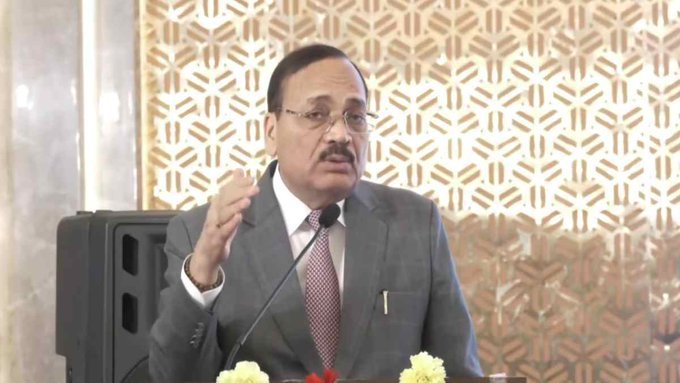
August 9, 2026: A group of graduating students at the National Academy of Legal Studies and Research (NALSAR) has urged the university administration to reconsider its reported decision to invite Chief Justice of India Surya Kant as the chief guest for the institution’s forthcoming convocation.
In a representation submitted to the Vice-Chancellor, Registrar and faculty members, the students said the choice of chief guest should be consistent with the values they had been taught at the premier law university, particularly constitutionalism, protection of fundamental rights and access to justice.
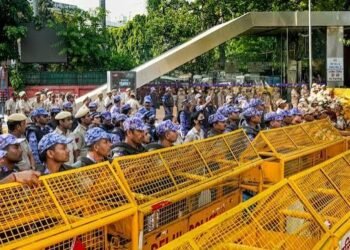
The students’ concerns stem from the Supreme Court’s reported response to an urgent request for listing a petition relating to alleged police action against protesters during the “Chalo Sansad” demonstration at Jantar Mantar on July 20.
The protest, organised by the Cockroach Janta Party (CJP), was linked to demands concerning alleged irregularities in the NEET examination and the functioning of the National Testing Agency.
Students Cite Supreme Court Exchange
The representation refers to media reports about proceedings before the Supreme Court on July 22, when lawyers sought an urgent hearing concerning the alleged police action against protesters.
According to the reports cited by the students, the Chief Justice told counsel, “Don’t waste our time, and don’t waste your time.”
When lawyers offered to place video footage of the alleged police action before the court, he was reported to have responded, “We are not interested in videos. We don’t have time to watch.” The proceedings were also reportedly brought to an end with the words, “Thank you very much.”
The students have cited these reported remarks as the principal reason for questioning the proposed invitation.
They argue that the manner in which allegations of police excesses are addressed is particularly important for students graduating from a law institution whose curriculum places considerable emphasis on constitutional safeguards and judicial accountability.
HYDERABAD LAW STUDENTS REFUSE TO TAKE DEGREES FROM CJI !!!
ANOTHER EMBARRASSMENT FOR THE CHIEF JUSTICE OF INDIA?
More than 450 graduating students of Hyderabad’s prestigious NALSAR University of Law have reportedly signed a representation asking the university to reconsider…
— Ravi Prakash Official (@raviprakash_rtv) August 9, 2026
Reference to Alleged Injuries
The students also referred to a separate letter-petition submitted to the Chief Justice seeking suo motu intervention in the matter.
According to their representation, the petition raised allegations that more than 170 protesters, including women and children, were injured during the July 20 incident.
The students invoked the Supreme Court’s landmark judgment in D.K. Basu v. State of West Bengal, which laid down safeguards concerning arrest and detention and established important principles for protecting individuals from custodial abuse and arbitrary state action.
The reference to the judgment is central to the students’ argument that allegations of excessive use of force against citizens should receive serious judicial consideration.
READ: Ladakh: Changthang Herders Receive ₹1.10 Cr Pashmina Incentives
‘Uncomfortable With What We Have Been Taught’
The students said the issue had acquired particular significance because the proposed chief guest would be the person formally presiding over their graduation from one of India’s leading law schools.
“For us as a graduating batch,” their representation states, receiving degrees from a dignitary whose recent public conduct, “as reported, appears dismissive of serious allegations of police brutality against protesting citizens,” is difficult to reconcile with the values they said NALSAR has sought to instil in its students.
The students have not alleged that the Chief Justice has made any formal determination on the merits of the protesters’ claims. Their objection is focused on what they describe as the reported conduct during the hearing and the message they believe the choice of chief guest would convey.
Students Seek Consultation Before Invitation
The group has asked the university to “strongly reconsider” the reported invitation and consult the graduating batch before finalising the chief guest.
They have also requested a meeting with the university administration to discuss their concerns and have sought a response, preferably by Monday.
The representation places the university administration in a sensitive position as it prepares for the convocation while a section of its graduating students has publicly questioned the choice of the chief guest.
The controversy also highlights a broader question facing law schools: whether their ceremonial decisions should reflect only institutional protocol or also take into account ongoing public debates concerning constitutional rights, policing and judicial conduct.
For the students who signed the representation, the issue is ultimately about the consistency between the constitutional principles taught in the classroom and the institutional choices made when they receive their law degrees.