Appearing for Wangchuk, senior advocate Kapil Sibal argued that the activist had the right to choose his treating doctors, saying, “It is my body, and I decide where I go.” The government countered that his condition had become medically critical.
BY PC Bureau
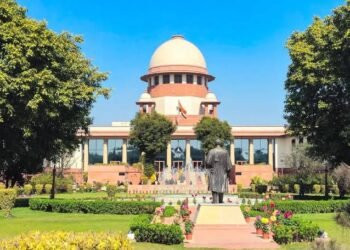
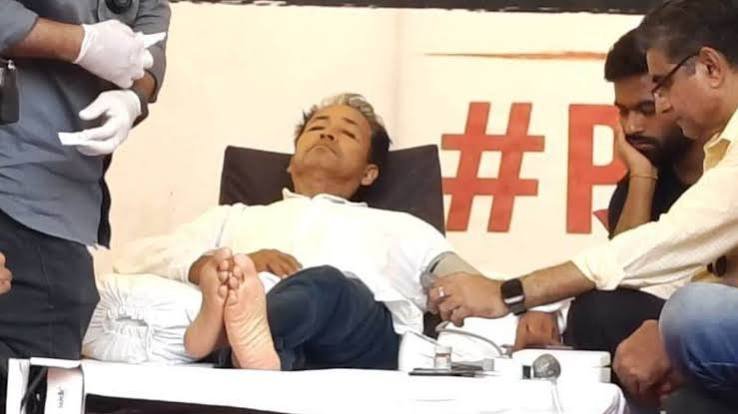
New Delhi, July 19, 2026: The Delhi High Court on Saturday refused to permit the immediate transfer of climate activist and education reformer Sonam Wangchuk from Safdarjung Hospital to a private medical facility, after the Centre argued that his prolonged hunger strike had pushed him into a medically vulnerable condition marked by dehydration and ketosis, requiring constant monitoring.
The matter came up before a special bench after Wangchuk’s wife, Gitanjali Angmo, moved the court seeking permission to shift him to Medanta Hospital in Gurugram. The petition contended that the family had lost confidence in the treatment being provided at the government-run Safdarjung Hospital and wanted Wangchuk to receive care from doctors of his own choice.
Senior advocate Kapil Sibal, appearing for Wangchuk, argued that the activist’s right to choose his medical treatment was protected under the Constitution and formed an integral part of his personal liberty.
“My body, my choice. Whatever treatment has to be given should be administered by a doctor of my choice. It is my body, and I decide where I go,” Sibal submitted before the court, adding that Wangchuk had already consulted doctors at Medanta and wished to continue his treatment there.
The Centre, however, strongly opposed the plea, warning that Wangchuk’s health had reached a critical stage after nearly three weeks of fasting. Assistant Solicitor General Chetan Sharma told the court that doctors were deeply concerned about the activist’s condition and that shifting him at this stage could jeopardise his recovery.
Sharma informed the bench that prolonged fasting, particularly during Delhi’s humid monsoon conditions, had resulted in dehydration and ketosis—a metabolic state in which the body begins burning fat instead of carbohydrates for energy. He cautioned that the condition, if left unmanaged, could lead to electrolyte imbalance, including dangerously low potassium levels, potentially impairing kidney function and causing life-threatening complications.
READ: Opposition Boycotts All-Party Meet Over Invite to TMC Rebels
“There is a compelling medical necessity for him to remain under close hospital supervision,” Sharma argued. “His health is deteriorating, and continuous monitoring is essential.”
In a remark aimed at countering allegations regarding the quality of treatment at the government hospital, Sharma told the court, “Even the President of India avails medical care at a government hospital.”
An AIIMS doctor who examined Wangchuk also briefed the court on his medical condition. According to the doctor, the activist is suffering from ketosis and dehydration but has refused intravenous fluids and has also declined nutritional supplements containing sugar or vitamins because of the conditions of his fast.
The doctor said Wangchuk has so far accepted only oral medicines and sugar-free Oral Rehydration Solution (ORS). However, he stressed that carbohydrates and vitamins were medically necessary to stabilise his condition and prevent further deterioration.
The Centre maintained that Wangchuk’s constitutional right to bodily autonomy had not been infringed, arguing that he had not been forcibly treated and that doctors were respecting his informed decisions while continuing to provide essential medical care within the limits of his consent.
Government counsel also underlined the wider implications of the case, telling the court that “whatever happens to Wangchuk will have huge consequences,” given his stature as a nationally recognised environmental activist and the public attention surrounding his indefinite fast.
After hearing both sides, the High Court declined to order his immediate transfer to a private hospital, indicating that his present medical condition required continued observation at Safdarjung Hospital. The court, however, kept the matter under close scrutiny and is expected to hear it again after reviewing further medical reports.
Wangchuk’s prolonged hunger strike has drawn widespread public attention, with supporters expressing concern over his deteriorating health while urging authorities to address the issues raised during his protest. The court’s intervention is likely to play a crucial role in determining the course of his medical treatment in the coming days.