The BJP has escalated its confrontation with Rahul Gandhi by moving a privilege motion in the Lok Sabha, accusing the Leader of the Opposition of making unparliamentary remarks and disregarding the authority of the Speaker during the debate on the Anti-Paper Leak Bill.
BY PC Bureau
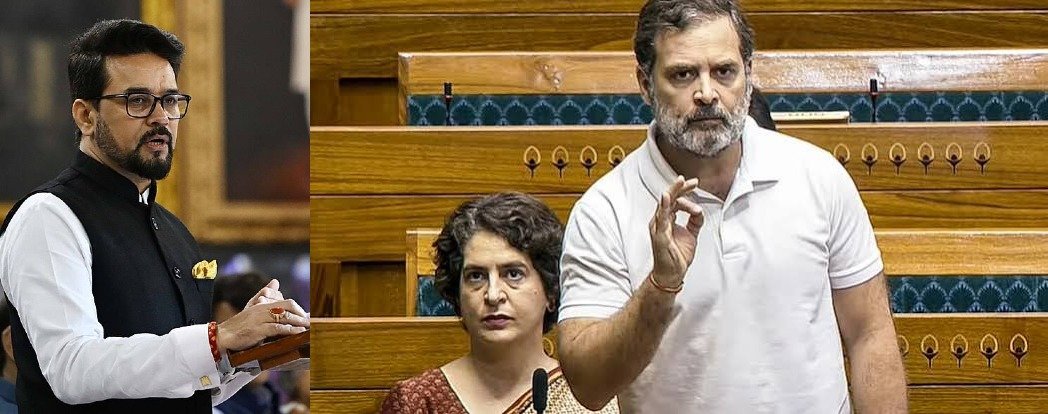
New Delhi/ July 30, 2027: Former Union Minister Anurag Thakur has moved a privilege motion against Leader of the Opposition Rahul Gandhi in the Lok Sabha, accusing him of making derogatory and unparliamentary remarks during the debate on the Anti-Paper Leak Bill and of showing disregard for the authority of the Speaker.
In a notice submitted under Rules 222 and 223 of the Rules of Procedure and Conduct of Business in Lok Sabha, Thakur requested Speaker Om Birla to admit the motion and refer the matter to the Committee of Privileges under Rule 227 for examination.
The BJP leader alleged that Rahul Gandhi had committed a breach of parliamentary privilege, shown contempt of the House and undermined the authority of the Chair by persisting with remarks that had been objected to during the proceedings.
“Shri Rahul Gandhi has committed a breach of privilege of members of Lok Sabha, contempt of the House, and utter disregard to the authority of the Hon’ble Speaker,” the notice stated.
Trigger for the Motion
The privilege notice follows a stormy debate in the Lok Sabha on the Anti-Paper Leak Bill, during which Rahul Gandhi accused the government of failing India’s youth and referred to “three categories of people — students, idiots and andhbhakts.”
The remarks triggered strong protests from Treasury Bench members, with Parliamentary Affairs Minister Kiren Rijiju objecting to the language and demanding that Gandhi withdraw his comments.
Rahul Gandhi later alleged that he had not been allowed to complete his speech in the House and reiterated the charge at a press conference outside Parliament.
According to Thakur’s notice, Gandhi continued using expressions despite repeated objections from the government and warnings from the Chair.
The motion contends that describing a section of citizens in such terms on the floor of Parliament was offensive, derogatory and inconsistent with the dignity expected of members of the House.
Alleged Violation of Parliamentary Rules
The notice cites Rule 352 of the Lok Sabha Rules, which bars members from making allegations or using offensive, defamatory or insulting expressions against individuals or groups without proper substantiation.
According to Thakur, Gandhi’s remarks violated these standards and disrupted the orderly functioning of the House.
“He has conducted and behaved in the House in such a manner that it was obstructive in the proper discharge of functions of members of Lok Sabha, individually and collectively. He also did not follow the repeated instructions of the Hon’ble Speaker,” the notice states.
Thakur has also sought the removal of the disputed remarks from the parliamentary record under Rules 380 and 381, which empower the Speaker to order the expunction of words considered defamatory, indecent, unparliamentary or undignified.
What Is a Privilege Motion?
Parliamentary privilege refers to the special rights and immunities enjoyed by each House of Parliament, its committees and members, enabling them to discharge their constitutional functions without outside interference.
A privilege motion may be moved if a member believes that these privileges have been breached or that the dignity, authority or functioning of the House has been undermined.
Under the Lok Sabha Rules, a member wishing to raise such an issue must submit a written notice to the Speaker. The Speaker has the discretion to decide whether the matter deserves consideration.
If the Speaker admits the notice, it may either be taken up directly in the House or referred to the Committee of Privileges for detailed examination.
READ: Delhi Govt Withdraws Cases Against CJP Protesters
Role of the Committee of Privileges
The Committee of Privileges is a parliamentary panel tasked with investigating alleged breaches of privilege and contempt of the House.
The committee examines documents, hears the concerned member and other witnesses if necessary, and determines whether a breach has occurred.
After completing its inquiry, the committee submits a report to the House containing its findings and recommendations.
The Lok Sabha then decides whether to accept the report and, if required, what action should be taken.
Possible outcomes range from dismissal of the complaint to admonition, reprimand, apology or, in exceptional cases, suspension or other disciplinary measures. In many instances, privilege notices are either not admitted by the Speaker or are disposed of without punitive action.
BJP MP Anurag Thakur @ianuragthakur moves privilege notice against Lok Sabha LoP Rahul Gandhi. pic.twitter.com/pTrRHr4ZJZ
— Press Trust of India (@PTI_News) July 30, 2026
Political Confrontation Continues
The privilege motion marks the latest escalation in the confrontation between the BJP-led government and the Congress during the ongoing Monsoon Session.
The Anti-Paper Leak Bill debate witnessed repeated disruptions, with Rahul Gandhi accusing the government of mishandling the alleged NEET paper leak and the police response to student protests, while Treasury Bench members accused the Congress leader of making unsubstantiated allegations and using language unbecoming of Parliament.
Whether the privilege motion proceeds will now depend on the Speaker’s decision on its admissibility.