With the April 21 ceasefire deadline approaching, both US and Iran sides are under pressure to strike a deal and avoid a return to conflict.
BY PC Bureau
April 14, 2026: With the fragile ceasefire ticking toward its April 21 deadline, the United States and Iran are preparing for a possible new round of high-stakes negotiations, days after talks in Islamabad collapsed without a deal.
Officials on both sides are weighing fresh in-person talks later this week in a last-ditch effort to prevent a return to full-scale conflict after six weeks of hostilities. According to the Associated Press, discussions are ongoing, and a diplomat involved in mediation said Washington and Tehran have broadly agreed to meet again, though key details remain unresolved.
Donald Trump has signalled openness to resuming direct engagement, saying Iran had reached out and “wants to work a deal.” US officials indicate the timing and venue are still under discussion, with both Islamabad and Geneva being considered. A tentative window as early as Thursday is being explored.
READ: 5-Year Offer, 20-Year Demand: US-Iran Talks Hit Deadlock Over Uranium Erichment Timeline
Talks Collapse Despite ‘Progress’
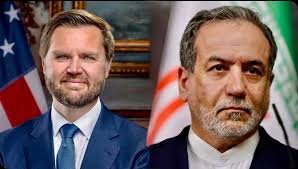
The renewed diplomatic push follows more than 20 hours of intense negotiations in Islamabad that ended without a breakthrough. The US delegation, led by Vice President JD Vance, and the Iranian team headed by parliamentary speaker Mohammad Bagher Ghalibaf, had come close to narrowing differences on several fronts.
Vance described the talks as yielding “good progress,” noting that Iran had moved closer to the US position. “They moved in our direction… but not far enough,” he said, underlining the gap that still separates the two sides.
Sources familiar with the discussions said negotiators were “inches away” from a framework agreement before disagreements resurfaced over key terms.
Core Disputes Remain
At the heart of the deadlock is Iran’s nuclear programme, particularly limits on uranium enrichment, along with the sequencing of sanctions relief and security guarantees.
Another major sticking point is the Strait of Hormuz, a critical global oil route that Iran has effectively restricted during the conflict. Washington has insisted on reopening the waterway, while Tehran has linked the issue to broader security and sanctions concerns.
The scope of any agreement has also divided the two sides. While the US is pushing for a focused deal covering nuclear restrictions and maritime security, Iran is seeking a broader framework that includes guarantees against future military action and comprehensive sanctions relief.
Ceasefire Under Pressure
The urgency surrounding the next round of talks stems from the looming expiration of the two-week ceasefire, which has so far prevented further escalation in the region.
However, the truce remains fragile. Continued regional tensions, including Israel’s ongoing strikes against Iran-backed groups, have added pressure on negotiations and raised fears that the ceasefire could collapse if talks fail again.
A Pakistani official told Reuters that there had been “strong hope” for a breakthrough midway through the Islamabad talks, but momentum quickly faded.
Uncertain Path Ahead
While both sides appear willing to continue engaging, significant gaps remain. Questions over the level of representation at the next meeting, the final venue, and the framework of discussions are yet to be resolved.
Still, the fact that both Washington and Tehran are considering another round of direct talks suggests that diplomacy, though strained, is far from over.
With the deadline fast approaching, the coming days could prove decisive in determining whether the conflict moves toward de-escalation—or slides back into confrontation.