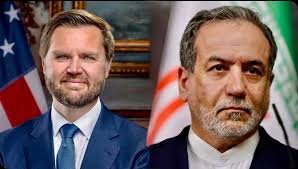
While Iran offered a five-year suspension, US insisted on a 20-year freeze, keeping both sides far apart despite marathon discussions.
BY PC Bureau
April 14, 2026: A dispute over uranium enrichment emerged as the primary stumbling block in weekend negotiations between Iran and the United States held in Islamabad.
According to reports by The New York Times and The Wall Street Journal, Washington proposed a 20-year freeze on Iran’s nuclear activities, while Tehran countered with a much shorter five-year suspension — leaving the two sides far apart.
Both countries exchanged proposals during the talks, but failed to bridge differences over the duration of restrictions. The US rejected Iran’s five-year offer, maintaining that a longer-term freeze was essential to prevent any pathway to nuclear weapons, the reports said, citing senior officials from both sides.
The deadlock marks a shift from the earlier stance of Donald Trump’s administration, which had pushed for a permanent end to Iran’s domestic enrichment programme.
Political analyst Ian Bremmer suggested a potential compromise could lie in a 12.5-year suspension, though no agreement has yet been reached.
READ: War, Death, Papal Criticism, and Trump’s “Jesus” Avatar
Dialogue Still Alive
Despite the impasse, officials said diplomatic engagement remains ongoing. The Islamabad meeting marked the first direct high-level contact between Washington and Tehran in over a decade, and the most significant since the Iranian Revolution.
While the talks ended without a deal, both sides are considering a second round. This comes even as the US military has moved ahead with a blockade of Iranian ports, putting a fragile ceasefire under strain.
What Happened in Islamabad
In addition to nuclear issues, key sticking points included the reopening of the Strait of Hormuz — a vital global oil route — and the lifting of international sanctions on Iran.
Negotiations at Islamabad’s Serena Hotel were tightly controlled, with US and Iranian delegations operating from separate wings and meeting in shared spaces alongside Pakistani mediators. Phones were barred from main discussions, forcing officials — including US Vice President JD Vance and Iranian parliamentary speaker Mohammad Baqer Qalibaf — to step out to communicate with their governments.
The talks stretched over 20 hours and at one stage appeared close to a breakthrough. However, tensions rose when discussions turned to security guarantees and sanctions relief. Iranian Foreign Minister Abbas Araghchi reportedly questioned US credibility, citing past assurances made during earlier negotiations in Geneva.
A Pakistani official said there had been “strong hope” for a deal midway through the talks, but momentum quickly faded.
‘Very Close’ — But No Deal
Sources indicated the two sides were “80% there” before hitting unresolved political decisions. The atmosphere remained tense, with neither side willing to concede ground despite mediation efforts.
Disagreements also extended to the scope of any agreement. While Washington focused narrowly on nuclear restrictions and Hormuz, Tehran pushed for a broader deal encompassing sanctions and security guarantees.
Core Dispute Remains
At the heart of the deadlock is Washington’s insistence that Iran must never acquire nuclear weapons — a red line the US says remains non-negotiable. Iran, meanwhile, continues to express deep distrust of US commitments.
There was no immediate official response from Tehran. However, Donald Trump said on Monday that Iran had reached out indicating willingness to continue negotiations.
A US official told Reuters that engagement is ongoing and efforts toward a deal are continuing.
White House spokeswoman Olivia Wales reiterated that the US position remains unchanged: Iran must not obtain a nuclear weapon, and negotiations will continue within that framework.