As Washington and Tehran move toward a formal agreement, key questions remain over verification measures, uranium stockpiles, and enforcement mechanisms.
BY PC Bureau
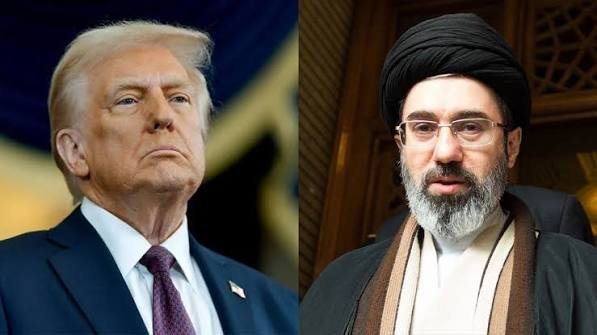
June 16, 2026: President Donald Trump said Tuesday that Iran has agreed to permanently abandon any pursuit of nuclear weapons under an emerging U.S.-Iran peace framework, while forcefully denying reports that Washington plans to hand Tehran a multibillion-dollar financial package.
Posting on his Truth Social platform, Trump dismissed suggestions that the United States would provide Iran with a massive cash payment as part of the agreement, calling the reports fabricated.
“Iran has agreed to never have a Nuclear Weapon! Also, the story that the U.S. is paying Iran 300 billion Dollars is Fake News, put out by the Dumocrats,” Trump wrote.
The remarks come as questions continue to swirl over the details of the memorandum of understanding (MoU) reached between Washington and Tehran. Although the full text of the agreement has yet to be released publicly, preliminary reports indicate the framework could include the phased release of Iran’s frozen assets, sanctions relief, and potentially a large reconstruction package tied to strict compliance conditions. Some media reports have valued the potential assistance at as much as $300 billion, a figure the White House has disputed.
READ: Humanity Shamed: Crowd Threatens Kuki-Zo Victims at RIMS, Imphal
“Iran has agreed to never have a Nuclear Weapon!”
President Trump said Iran has agreed to permanently forgo nuclear weapons and pushed back on reports that the U.S. would pay Iran $300 million as part of the deal.
The statement comes as the administration touts a breakthrough… pic.twitter.com/pdcddNhCRV
— Fox News (@FoxNews) June 15, 2026
Lingering Questions on Nuclear Provisions
The Trump administration has yet to clarify several key aspects of how the agreement would limit Iran’s nuclear programme. Among the unresolved issues are:
- The mechanism for verifying Iran’s compliance with its commitments.
- Who would oversee, remove, or destroy Iran’s stockpile of highly enriched uranium.
- The status of nuclear material believed to be buried at sites damaged during U.S. strikes last summer.
Iranian media outlets have reported that a more comprehensive agreement addressing the nuclear file would be negotiated during a 60-day period following the formal signing of the MoU, which is expected on Friday, June 19.
Vance: Financial Relief Tied to Compliance
Vice President JD Vance echoed the administration’s position, stressing that any economic benefits for Tehran would depend entirely on its adherence to the agreement.
Speaking to ABC News, Vance said the White House intends to release the full text of the deal later this week.
“And what everybody will see is that Iran doesn’t get a dime of money unless they perform their obligations,” he said.
In a video message posted on X, Vance reiterated the administration’s central objective:
“The President has been clear from day one: Iran will never have a nuclear weapon. Once again, President Trump’s efforts to establish peace have paid off for the American people, despite countless attempts to thwart it by people who hate America and President Trump.”
Background and Stakes
If finalized, the framework would mark one of the most significant diplomatic developments between the United States and Iran in years, following a period of heightened regional tensions and military confrontation.
Supporters argue that the arrangement could prevent Iran from reaching the nuclear threshold while offering economic incentives in exchange for verifiable compliance. Critics, however, are expected to raise concerns over the deal’s enforceability, the robustness of its verification measures, and whether substantial sanctions relief could empower a government long accused of sanctions evasion and supporting regional proxy groups.
As negotiations move toward the anticipated June 19 signing and the subsequent 60-day negotiation period, officials in both Washington and Tehran face mounting pressure to deliver a credible and durable agreement capable of withstanding political scrutiny at home.
The administration maintains that preventing a nuclear-armed Iran remains a non-negotiable national security objective, with Trump portraying the emerging agreement as the result of sustained diplomatic engagement aimed at securing long-term regional stability.