Zelensky Offers Elections for 60-Day Ceasefire: Ukrainian President Volodymyr Zelensky has urged Donald Trump to press Vladimir Putin for a two-month ceasefire, promising to organise elections if Russia agrees to a total halt in hostilities.
BY PC Bureau
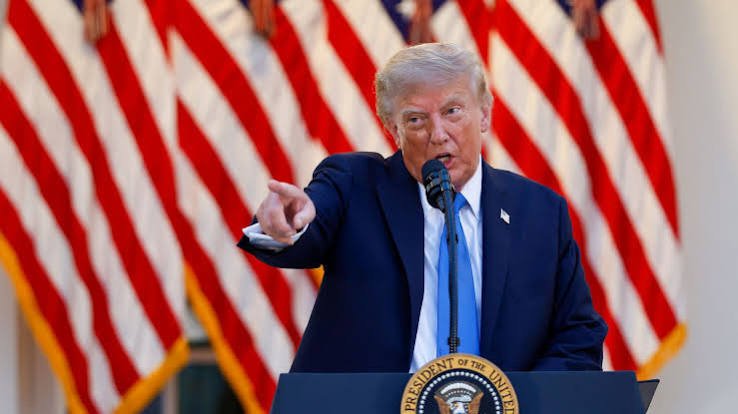
US President Donald Trump on Sunday claimed that Russia and Ukraine had agreed to an immediate ceasefire targeting energy infrastructure, a day after calling for Ukraine to “get a new president” and criticising President Volodymyr Zelensky over Ukrainian attacks on Russian oil refineries.
In a post on Truth Social, Trump declared: “Effective immediately, there is an ENERGY CEASEFIRE in the War between Russia and Ukraine. Both parties have agreed. Do not break it!” He provided no details on the terms of the arrangement or how compliance would be monitored. Neither Kyiv nor Moscow had immediately confirmed the agreement.
Trump’s announcement followed his sharp criticism of Zelensky on Saturday. He blamed Ukrainian drone strikes on Russian refineries for contributing to rising diesel prices, arguing that the attacks were creating problems for American farmers and ranchers.
“I think it’s time for Ukraine to get a new president,” Trump said, accusing Zelensky of creating problems for the world and insisting that he could have settled the war on several occasions. Trump also urged Ukraine to stop targeting diesel-related infrastructure, arguing that there were “plenty of other targets”.
Effective Immediately: An ENERGY CEASEFIRE in the War between Russia and Ukraine. https://t.co/PukfiuHOdy
— The White House (@WhiteHouse) October 11, 2026
The dispute has intensified following the Trump administration’s reported arrangement with Moscow for Russian diesel supplies to the United States and international markets. Under the reported deal, Russia would initially supply 300,000 tonnes of diesel, with additional shipments expected. The US Treasury also issued a temporary licence suspending sanctions on Russian diesel exports until April 7.
Zelensky condemned the arrangement as a “gift to Putin”, arguing that revenue from Russian energy exports would help finance Moscow’s war effort. The move has also raised concerns among European allies about Washington’s approach to Russia and its implications for efforts to end the conflict.
Speaking on ABC’s This Week, Zelensky urged Trump to press Russian President Vladimir Putin for a broader ceasefire, offering to organise elections if Moscow agreed to suspend hostilities for two months.
“Please tell Putin, give us two months, 60 days of total ceasefire, 60 days, and we will organise elections,” Zelensky said.
He reiterated that Ukraine was prepared to halt attacks on energy infrastructure, provided Russia agreed to reciprocal measures backed by credible guarantees. He also stressed that decisions about Ukraine’s political leadership must ultimately be made by Ukrainians.
The proposal comes amid renewed debate over elections in Ukraine, where martial law and the continuing war have complicated the prospect of holding a nationwide vote. Zelensky’s offer links the electoral process to a temporary cessation of hostilities, although it remains unclear whether Moscow would accept such conditions.
Trump’s latest ceasefire claim also recalls an earlier episode in September, when he announced that Russia and Ukraine had agreed to stop attacking each other’s energy facilities. Both sides subsequently indicated that no formal agreement had been reached. Although the Kremlin described the idea as positive, disagreements over implementation and reciprocal commitments remained unresolved, while attacks on energy infrastructure continued.
Previous efforts to secure an energy truce have encountered similar obstacles. Ukrainian officials have demanded guarantees that Russia would not exploit a pause to intensify attacks on Ukraine’s electricity grid and heating infrastructure, particularly as winter approaches.
For now, Trump’s declaration of an immediate energy ceasefire remains unverified by either side. Zelensky’s offer of a 60-day truce in exchange for elections places the onus on Washington to seek a broader agreement from Moscow, but whether the proposal can translate into a sustained halt to attacks remains uncertain.