INDIA bloc plans to submit memorandum to Chief Justice Surya Kant over alleged ‘vote chori’, SIR and demand for Gyanesh Kumar’s resignation; whether the CJI will meet the delegation remains uncertain
BY PC Bureau
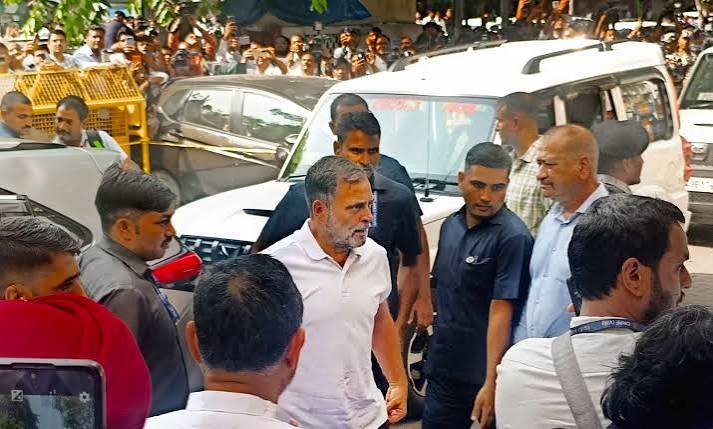
New Delhi, October 11: In an unusual political initiative, Leader of the Opposition Rahul Gandhi and leaders of the INDIA bloc plan to march to the Supreme Court on Monday to submit a memorandum to Chief Justice of India Surya Kant, seeking judicial intervention over alleged electoral irregularities, the Special Intensive Revision (SIR) of voter lists and demanding the resignation of Chief Election Commissioner Gyanesh Kumar.
But two questions loom over the proposed march: Is it unprecedented for a political delegation to approach the Chief Justice in this manner, and will the CJI agree to meet the opposition leaders?
The INDIA bloc has announced its intention to submit the memorandum, but there has been no public confirmation that the Chief Justice will receive the delegation personally. The distinction is important: delivering a memorandum addressed to the CJI is not the same as securing an appointment or a hearing before the Chief Justice.
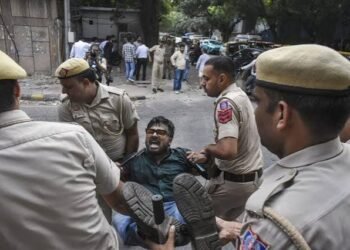
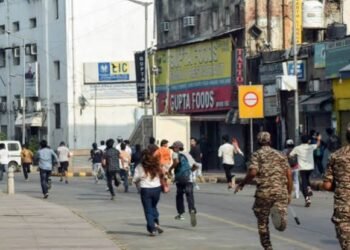
The proposed march follows days of protests, preventive detentions and confrontations with Delhi Police over allegations of electoral malpractice. The opposition is seeking to turn the agitation into a constitutional question, arguing that the integrity of elections and the independence of institutions require urgent attention.
Is It Unprecedented for Politicians to Seek a Meeting with the CJI?
Approaching the Chief Justice over a matter of public importance is not, by itself, unprecedented. Political leaders and elected representatives have previously raised institutional and constitutional concerns with judicial authorities. Chief Justices also meet political and government officeholders in official settings, although such engagements are distinct from requests for intervention in disputed political matters.
What makes the INDIA bloc’s proposed action unusual is its form and timing: a public march by opposition parties and their supporters to the Supreme Court, accompanied by a demand that the country’s top judicial authority intervene in a politically charged dispute involving the Election Commission.
The opposition has not announced that it intends to present a conventional petition through the court’s established filing process alone. Instead, it plans to submit a memorandum directly to the CJI, placing political pressure on the institution to take note of its allegations.
The Supreme Court’s institutional independence requires a distinction between receiving a representation and deciding a legal dispute. A memorandum does not automatically become a judicial proceeding, nor does its submission oblige the Chief Justice to grant a meeting or order action.
The Court’s response, if any, will therefore be closely watched.
Will Chief Justice Surya Kant Meet Rahul Gandhi and the Opposition Delegation?
As of Sunday evening, no public announcement had confirmed that CJI Surya Kant would meet Rahul Gandhi, Congress president Mallikarjun Kharge or other members of the delegation on Monday.
The Chief Justice may receive a representation through the appropriate channel without meeting the delegation. Alternatively, the memorandum could be directed to the Supreme Court Registry or considered in the context of existing or future legal proceedings, depending on its contents and the applicable procedures.
There is also an important question of judicial propriety. The Chief Justice heads an institution expected to decide disputes independently of political pressure. A meeting with a delegation seeking action against a constitutional authority could invite questions about the appropriateness of direct political representations, particularly if related issues are already before the courts.
At the same time, receiving a memorandum does not necessarily imply agreement with its contents. The decisive issue is whether the opposition’s allegations raise legal questions that can properly be examined by the judiciary.
The Supreme Court’s response will thus be significant not simply because of the political prominence of the delegation, but because of the constitutional issues it intends to raise.
Rahul Gandhi Calls for a March ‘as Indians’
Yesterday, the nation’s young came out in Delhi to peacefully protest. They came with love in their hearts, not hatred or anger. They were beaten, both by cops and BJP goons.
This is not the India we want.
Tomorrow, we will march to the Supreme Court as Indians, united beyond party, gender, caste, community and state.
Youth, all opposition parties, civil society groups, all those who believe in democracy and stand by the Constitution of India, will walk with us.
We will submit a memorandum to the Chief Justice on behalf of the nation, demanding an end to vote chori, halting of SIR and the resignation of Gyanesh Kumar.
Narendra Modi, Amit Shah, Ajit Doval and Mohan Bhagwat cannot silence India’s voice. These cowards cannot intimidate us. They will have to step aside.
We will march together, with love, brotherhood and patriotism.
Daro mat.
Tomorrow, all of India will march to the Supreme Court.
कल दिल्ली में देश का युवा शांतिपूर्ण विरोध के लिए सड़कों पर उतरा। उनके दिलों में नफ़रत या गुस्सा नहीं, मोहब्बत थी। लेकिन उन्हें पुलिस और BJP के गुंडों, दोनों ने पीटा।
ऐसा भारत हम नहीं चाहते।
कल, सोमवार 12 अक्टूबर को, हम भारतीय होने के नाते सुप्रीम कोर्ट तक मार्च करेंगे। पार्टी, महिला-पुरुष, जाति, समुदाय और राज्य की हर दीवार से ऊपर उठकर, हम सब एक साथ चलेंगे।
देश का युवा, तमाम विपक्षी दल, सिविल सोसाइटी और लोकतंत्र में विश्वास रखने वाले, भारत के संविधान के साथ खड़े सभी लोग हमारे साथ चलेंगे।
हम देश की ओर से मुख्य न्यायाधीश को एक ज्ञापन सौंपेंगे। हमारी माँग है – वोट चोरी बंद हो, SIR पर रोक लगे और ज्ञानेश कुमार इस्तीफ़ा दें।
नरेंद्र मोदी, अमित शाह, अजित डोभाल और मोहन भागवत भारत की आवाज़ को दबा नहीं सकते। ये कायर हमें डरा नहीं सकते। इन्हें पीछे हटना ही होगा।
हम सब साथ चलेंगे – मोहब्बत, भाईचारे और देशभक्ति के साथ।डरो मत।
कल पूरा भारत सुप्रीम कोर्ट तक मार्च करेगा।
#ChaloDilli
— Rahul Gandhi (@RahulGandhi) October 11, 2026
Announcing the proposed march in a post on X, Rahul Gandhi said young people had taken to the streets peacefully on Sunday but were beaten by police personnel and BJP supporters. These allegations have not been independently established in every reported incident.
Gandhi said the march would bring together young people, opposition parties and civil society groups, cutting across party, gender, caste, community and state affiliations.
The delegation intends to submit a memorandum demanding an end to what the opposition calls “vote chori”, a halt to the SIR exercise and the resignation of Chief Election Commissioner Gyanesh Kumar.
“Daro mat,” Gandhi wrote, urging supporters to participate in what he described as a march rooted in love, brotherhood and patriotism.
The Congress leader also accused Prime Minister Narendra Modi, Union Home Minister Amit Shah, National Security Adviser Ajit Doval and RSS chief Mohan Bhagwat of attempting to silence public dissent. These are political allegations made by Gandhi, not findings established by a court.
The INDIA bloc’s plan follows its October 9 meeting with President Droupadi Murmu, during which opposition leaders submitted a memorandum raising concerns about alleged electoral irregularities and the functioning of the Election Commission. Gandhi subsequently announced that the opposition would approach the CJI.