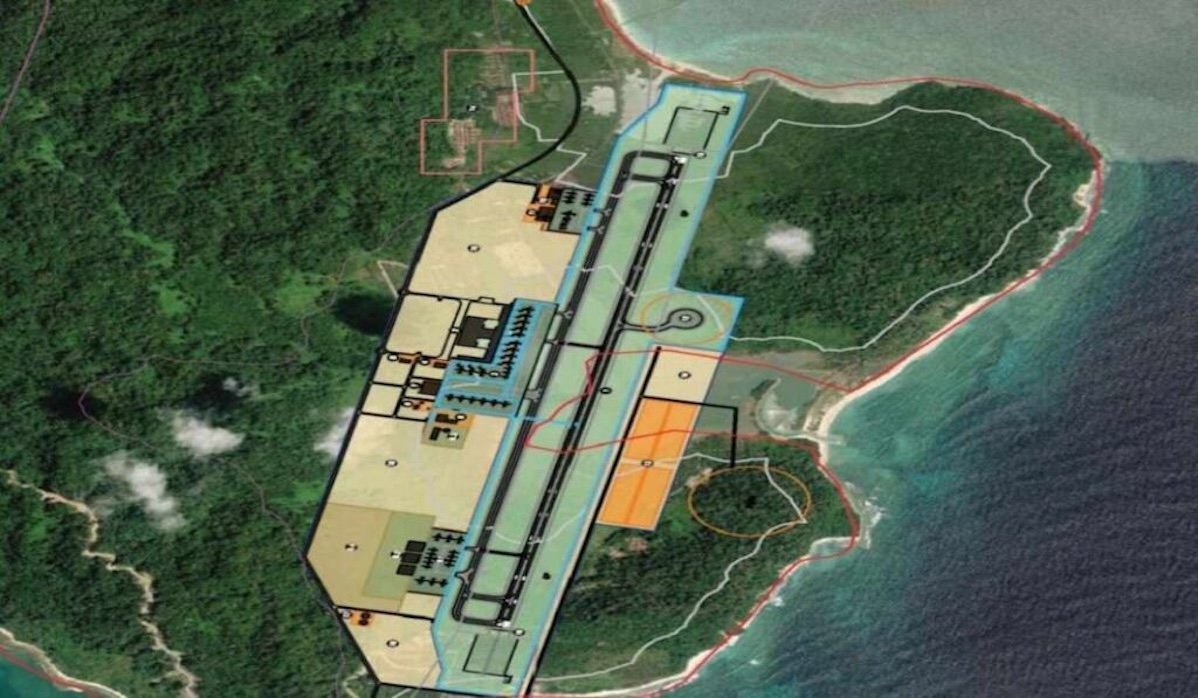
The project, driven by NITI Aayog and executed by Andaman and Nicobar Islands Integrated Development Corporation, proposes a transshipment port, airport, and township, but critics warn it could destroy vast tracts of pristine rainforest.
BY PC Bureau
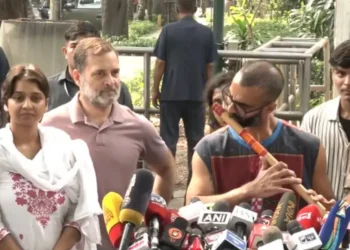
New Delhi, April 29, 2026 — Leader of Opposition Rahul Gandhi has launched a blistering attack on the Centre’s ambitious Great Nicobar Infrastructure Project, calling it “one of the biggest scams and gravest crimes” against India’s forests and tribal communities.
After visiting Great Nicobar Island on April 28, Gandhi described the island’s ecosystems in stark, evocative terms. “These are the most extraordinary forests I have ever seen in my life — trees older than memory, forests that took generations to grow,” he said, accusing the government of sacrificing irreplaceable natural heritage for a flawed development model.
“What I have seen is not a project,” Gandhi declared. “It is millions of trees marked for the axe. It is 160 square kilometres of rainforest condemned to die. It is communities ignored while their homes are taken away. This is not development — this is destruction dressed in development’s language.”
He further alleged that the project amounts to a wholesale assault on both indigenous Adivasi groups and settler communities, vowing to continue raising the issue until the initiative is halted.
A Mega Project, Massive Stakes
The ₹72,000–92,000 crore Great Nicobar Infrastructure Project — driven by NITI Aayog and implemented by Andaman and Nicobar Islands Integrated Development Corporation — envisions a transshipment port at Galathea Bay, an international airport, a large township, and supporting infrastructure.
The government projects it as a strategic and economic game-changer, aimed at boosting India’s presence in the Indian Ocean region and reducing dependence on foreign ports.
I travelled through Great Nicobar today.
These are the most extraordinary forests I have ever seen in my life. Trees older than memory. Forests that took generations to grow.
The people on this island are equally beautiful – both the adivasi communities and the settlers – but… pic.twitter.com/vYdBWdYfIJ
— Rahul Gandhi (@RahulGandhi) April 29, 2026
Ecological and Tribal Concerns
Critics, however, warn of severe ecological damage. Official estimates indicate the felling of nearly 9.64 lakh trees, while independent experts suggest the number could be far higher. Large swathes of tropical rainforest — part of a globally significant biosphere — face diversion.
The project area overlaps with habitats of endangered species and ecologically sensitive zones, including Galathea Bay, a key nesting ground for marine wildlife.
READ: India Looks Away as Tribal Women Battle it Out in Odisha
Even more contentious are the risks to indigenous communities. The Shompen — a Particularly Vulnerable Tribal Group with a population of just a few hundred — and the Nicobarese are feared to face existential disruption.
Experts and tribal representatives have warned of disease exposure, cultural erosion, and demographic imbalance. Allegations have also surfaced regarding coercion in land consent processes and violations of the Forest Rights Act.
Government Pushback and Legal Scrutiny
The government has rejected the criticism, calling it politically motivated. It maintains that environmental safeguards are in place and points to clearances upheld by the National Green Tribunal.
Officials insist that tribal habitats will remain protected and that the project will bring jobs, infrastructure, and long-term strategic benefits.
However, reports of possible relocation plans and ongoing legal challenges have raised questions over these assurances. Petitions are pending in courts, and scrutiny from environmental and indigenous rights groups continues to grow.
A Larger Debate
Gandhi’s intervention has pushed the Great Nicobar project into the national spotlight, reframing it as a moral and ecological issue rather than merely a developmental one.
The controversy reflects a broader tension across India — balancing infrastructure expansion with environmental conservation and tribal rights. As debates intensify, the future of Great Nicobar’s forests, biodiversity, and indigenous communities remains uncertain.
What is clear is that the project is no longer just a policy matter — it has become a defining test of how India negotiates development, ecology, and justice in the years ahead.