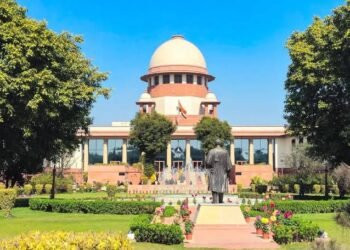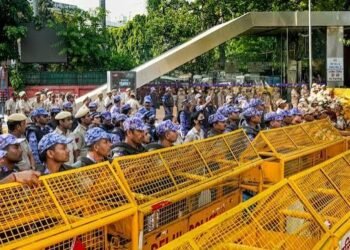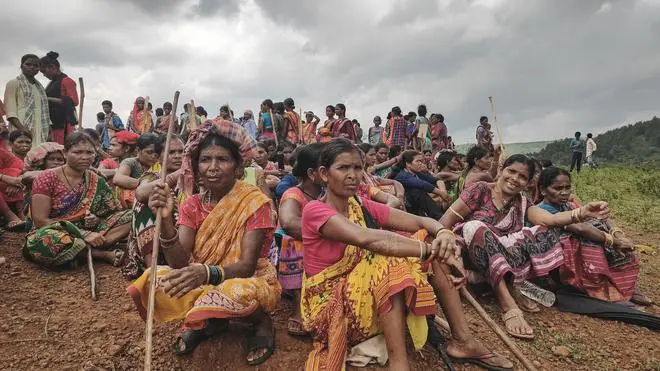
Since then, villagers have maintained round-the-clock sit-ins and blockades, guarding protest sites day and night in a continuous vigil to halt construction. Reports describe tireless protests continuing 24 hours a day, with women, the elderly, and youth rotating shifts under makeshift tents, refusing to allow machinery to advance toward the 1,223-metre hill that sustains their lives.
As fresh clashes on April 7 left nearly 70 people injured—including dozens of tribals and around 40 police personnel—and dozens arrested, including women, the nation has largely looked away. National television offered only fleeting mentions. Prime-time debates skipped the human cost. Delhi’s policy circles continue to discuss mining reforms and GDP growth, while the women of the Maa Mati Mali Suraksha Manch (along with the allied Sijimali Suraksha Samiti) maintain their vigil: “Niyamgiri taught us we can win. Sijimali will not break us.”
READ: Oil Markets Jolt as UAE Announces Departure from OPEC
This is far more than a local dispute. With 311 million tonnes of bauxite at stake and Vedanta targeting commissioning by 2027, Sijimali revives the ghosts of the 2013 Niyamgiri victory—the Dongria Kondh’s historic defeat of the same company. Yet, while Niyamgiri captured global attention, Sijimali’s women-led uprising has unfolded in relative national silence despite its scale, persistence, and intensity.
The Spark and the April Escalation
The conflict reignited forcefully in February 2023 when the Odisha government declared Vedanta the preferred bidder for the Sijimali bauxite block straddling Rayagada and Kalahandi districts. The hills sustain over 500 tribal families through minor forest produce, streams feeding paddy fields, and grazing lands. Under the Forest Rights Act (FRA) and PESA, gram sabha consent is mandatory. Villagers allege that public hearings were flawed, citing forged signatures and intimidation. Gram sabhas held in 2024 reportedly saw multiple villages reject the project outright.
Women, who shoulder the daily burden of collecting water, gathering tendu leaves, and harvesting mahua flowers, have led the resistance from the front. Hundreds of women form the backbone of the movement, mobilising even remote hamlets.
The latest flashpoint emerged in early April 2026. As authorities moved to construct the critical 2.98-km greenfield road from State Highway 44 toward the hill, protests surged. Since around April 6, villagers have held continuous sit-ins and blockades at key locations, including near Shagabari and Kantamal villages. Protesters guard these sites without pause—day and night—with women often at the forefront, carrying traditional tools, axes, and an unwavering resolve to physically halt construction crews. Makeshift protest camps dot the landscape; shifts rotate seamlessly without interruption.
Land vs Livelihood Battle Intensifies !!
Tribal in Sijimali rise in protest against Vedanta Limited and the BJP Govt over land displacement.
They also accuse INC leaders — MP Saptagiri Ulka & MLA Appalaswamy of siding with the project.
Let’s raise voice for the tribal right… pic.twitter.com/1BT7qm32Mt
— Priya Purohit (@Priyaa_Purohit) April 25, 2026
Tensions erupted on April 7. In the early hours, police reportedly entered Kantamal village. According to local accounts, electricity was cut, doors were broken, and lathi charges followed as residents rushed out to block the roadwork. Tear gas was deployed, while villagers responded with stones and traditional implements. Official figures put the number of injured at around 70, including both tribals and police personnel, many of whom were shifted to hospitals in Visakhapatnam. A cow reportedly died due to tear gas exposure. While road construction has since been halted, the round-the-clock vigil continues under a heavy police presence.
Earlier, a pre-dawn operation on March 11 led to 21 arrests, including 10–11 women—among them a pregnant woman and three lactating mothers. FIRs filed under stringent provisions, including the Unlawful Activities (Prevention) Act (UAPA) against certain leaders, have further escalated tensions. Activists allege that police actions are closely aligned with the interests of mining contractors.
Echoes of Niyamgiri, Women at the Helm
Sijimali is both culturally and geographically linked to Niyamgiri, where the Dongria Kondh community, led prominently by women, secured a landmark Supreme Court-backed victory in 2013 through a series of gram sabha decisions. That struggle drew global attention and acclaim. Sijimali—larger in resource reserves and equally driven by women—has received far less national or international spotlight despite its sustained mobilisation.
Media dynamics partly explain the silence. Remote forest regions in Odisha rarely dominate news cycles, which are often driven by elections and urban developments. Coverage, when it appears, tends to frame such conflicts as “law and order” issues rather than deeper struggles over rights, consent, and survival. Critical concerns around FRA and PESA compliance, as well as long-term livelihood impacts, are often relegated to the margins.
Meanwhile, the broader development narrative continues to dominate policymaking. Governments advocate mining as essential for aluminium production and economic self-reliance. Vedanta already operates a refinery in nearby Lanjigarh, where locals allege that employment promises have fallen short and environmental degradation persists—serving as a cautionary example for Sijimali residents.
Allegations of corporate-state alignment remain a recurring theme. Protesters claim that policing serves corporate interests, while international observers have pointed to patterns of repression faced by environmental defenders. The prominent role of women further complicates visibility: patriarchal narratives often underplay their leadership as organisers, strategists, caregivers, and frontline defenders.
Human Cost and the Ongoing Vigil
The stakes are existential. More than 100 households face the risk of displacement. Forests that provide nearly 70 per cent of household income are under threat. Sacred sites, water sources, and ecological systems face irreversible damage. Health concerns linked to mining—dust, contamination, and long-term exposure—loom large, especially in light of experiences near existing industrial sites.
Yet the national response remains subdued. No high-level inquiry has been initiated into the April clashes. The Ministry of Tribal Affairs has remained largely silent. Even opposition parties have offered limited sustained engagement. Meanwhile, the women’s vigil continues—through heat, rain, fatigue, and the constant presence of security forces.
Environmentalists warn that Sijimali could set a critical precedent. A defeat for the movement could weaken the enforcement of FRA and PESA across India, while a victory could energise similar struggles in regions like Hasdeo Aranya, Jharkhand, and other parts of the Eastern Ghats. Resistance against extractive projects continues to simmer in multiple tribal belts.
A Nation’s Moral Blind Spot
India’s Constitution, along with Schedule V provisions, guarantees protections for tribal communities. International frameworks like the UN Declaration on the Rights of Indigenous Peoples (UNDRIP) emphasise free, prior, and informed consent. Yet, in Sijimali, many argue that these principles remain selectively applied.
As one protester told a visiting group: “We don’t need cameras that won’t show the truth. But Niyam Raja is watching.”
As of late April 2026, the hills resonate with slogans, songs, and unbroken vigilance. Bulldozers remain idle for now, but pressure continues to mount. The women—barefoot yet resolute—rotate through night shifts, guarding the contested road that symbolises their future.
India, absorbed in growth metrics and electoral calculations, continues its uneasy silence.
One of the largest tribal resistance movements of the decade is unfolding in real time—powered by the relentless, round-the-clock resolve of women. And the nation, still, looks away.