US Treasury Secretary Scott Bessent said licences covering oil shipments from Russia and iran already at sea before March deadlines have now expired and will not be extended.
BY PC Bureau
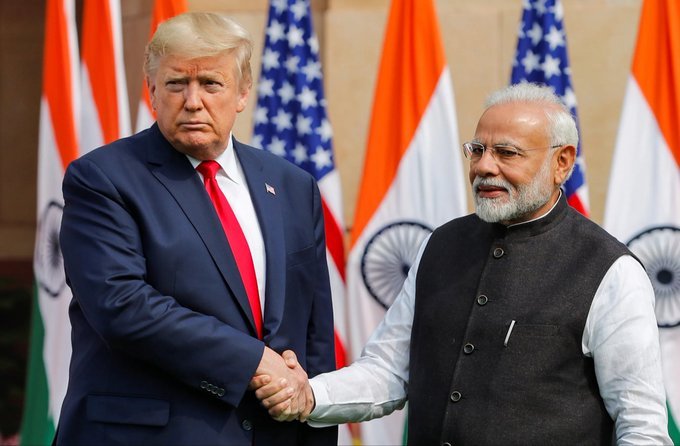
April 16, 2026: A day after Prime Minister Narendra Modi held a 40-minute phone conversation with U.S. President Donald Trump, Washington announced it will not extend sanctions waivers that had allowed limited imports of Iranian and Russian oil. The decision is expected to impact countries like India, which had relied on these exemptions to manage supply disruptions.
India is reported to have requested US to extend waiver to continue Russian oil imports, according to report put pout by Reuters on April 10.
U.S. Treasury Secretary Scott Bessent said the general licences covering Russian and Iranian oil shipments—particularly those already in transit before March 11—would not be renewed, noting that the permitted volumes have now been fully utilised.
READ: Pakistan-Brokered Iran-US Nuclear Deal on the Cards?
The waivers were initially introduced as a temporary measure to ease pressure on global energy markets following disruptions linked to tensions in the Middle East. By allowing oil already loaded onto ships before specific cut-off dates to reach buyers, the policy aimed to stabilise prices during a period of heightened uncertainty.
After Iran tightened its grip over the Strait of Hormuz in March—a critical route for nearly 20% of global crude and LNG shipments—the U.S. issued a 30-day waiver for Russian oil loaded before March 12, which expired on April 11. A similar exemption for Iranian crude, announced on March 20 and covering an estimated 140 million barrels, is due to lapse on April 19.
The decision to end these waivers signals a return to Washington’s tougher “maximum pressure” stance on Iran as the regional conflict continues.
For India, the waivers had provided crucial breathing room. Domestic refiners reportedly secured around 30 million barrels of Russian oil during the exemption window. Companies such as Reliance had briefly cut back purchases from Russian suppliers like Rosneft and Lukoil earlier this year under U.S. pressure, but resumed imports once the waivers were introduced.
In a significant development, at least two supertankers carrying Iranian crude also reached Indian ports—marking the first such deliveries in nearly seven years. Prior to the tightening of sanctions in 2018, Iran was a key supplier to India, accounting for up to 11.5% of its total crude imports due to favourable pricing and compatibility with Indian refineries. These imports came to a halt in 2019 and were replaced by supplies from other regions, including the Middle East and the United States.
The waiver policy, however, faced strong criticism in the U.S. political sphere. Senator Richard Blumenthal opposed extending the Russia waiver, arguing it indirectly supported Moscow’s war efforts. Senate Majority Leader Chuck Schumer and other Democrats also urged the administration to roll back what they described as a risky sanctions relief approach.
With the exemptions now ending, tighter global oil supplies and renewed price volatility could pose fresh challenges for major importers like India.