Previous marathon talks in Islamabad made limited progress but faltered over key disputes, including sanctions relief, the Strait of Hormuz, and Iran’s nuclear ambitions.
BY PC Bureau
April 16, 2026: Fresh diplomatic momentum is building around efforts to revive talks between Iran and the United States, with Pakistan emerging as a key intermediary pushing both sides toward a potential breakthrough on Tehran’s nuclear program, sources told Al Jazeera.
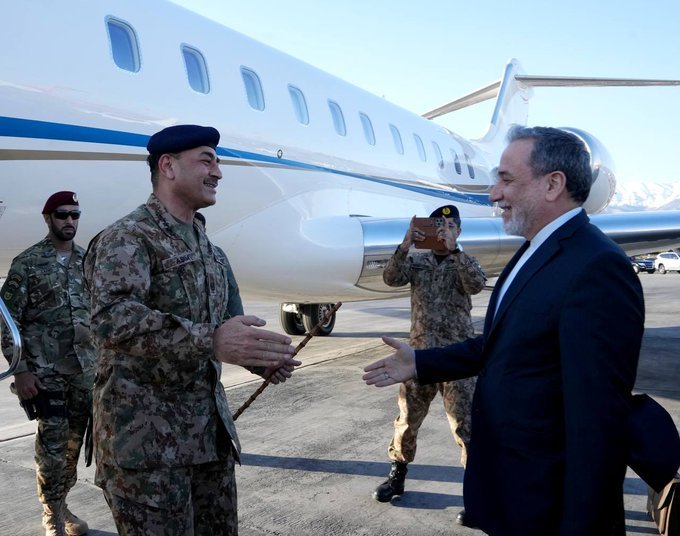
The push gained traction on Wednesday as a senior Pakistani delegation led by Army Chief Asim Munir arrived in Tehran. Iranian state media, including Press TV, reported that the delegation carried a new message from Washington and is working to lay the groundwork for another round of direct negotiations.
Islamabad has steadily positioned itself as a neutral bridge between the two adversaries. It recently hosted a marathon round of talks in the Pakistani capital that ran for nearly 21 hours but stopped short of delivering a comprehensive agreement. The discussions—reportedly involving senior U.S. officials, including Vice President JD Vance, and Iranian negotiators—made partial progress but ultimately stalled over core disagreements, including Iran’s nuclear ambitions, sanctions relief, the Strait of Hormuz, and wider regional security concerns.
READ: India Slips to Sixth in Global GDP Rankings, UK Fifth
There’s a major nuclear breakthrough that Pakistanis are hopeful they’ll able to achieve in addition to Lebanon& Hormuz
Pakistan’s army chief rarely makes these visits and if he does, they are not public.
The Pakistanis, Saudis, Egyptians and the Turks already met in Islamabad pic.twitter.com/N6oqZOIuy4
— Osama Bin Javaid (@osamabinjavaid) April 16, 2026
With a fragile ceasefire now at risk of collapsing, Pakistan has intensified its shuttle diplomacy. Munir’s high-profile visit—rare for a serving army chief—signals the seriousness of Islamabad’s involvement. The delegation is also believed to include Interior Minister Mohsin Naqvi and other top officials.
Sources familiar with the mediation efforts say there is growing optimism around movement on the nuclear issue, viewed as the most likely area for a breakthrough. Iranian officials have indicated openness to compromise, provided the United States demonstrates genuine intent and adheres to what they describe as a “logical framework” for negotiations.
Iranian Foreign Minister Abbas Araghchi welcomed the Pakistani delegation in Tehran, where initial discussions focused on reconvening talks before the current ceasefire window closes. Pakistan’s role has drawn quiet acknowledgment from both sides for helping maintain backchannel communication and reduce tensions during a volatile period.
The broader conflict has seen direct U.S.-Israeli strikes on Iranian-linked targets and retaliatory moves by Iran that have threatened vital maritime routes. A sustained U.S. naval presence in the region has further raised tensions, with Tehran warning that any prolonged blockade could jeopardize the ceasefire.
At the political level, Pakistani leadership—including Prime Minister Shehbaz Sharif and Foreign Minister Ishaq Dar—has been actively engaging regional stakeholders, including Saudi Arabia, to support the mediation effort.
Although no date has been finalized for the next round of talks, both Washington and Tehran appear willing to continue engagement. Pakistan’s latest diplomatic push in Tehran is aimed at preserving the fragile pause in hostilities and converting it into a more durable agreement, with the nuclear issue at the center of any potential deal.