The proposed redeployment could reduce neutral Central force presence in sensitive areas, heightening fears among tribal communities. Analysts warn that such parallel moves risk deepening mistrust, hardening ethnic positions, and destabilising the fragile peace on the ground.
BY Navin Upadhyay
April 16, 2026: The Manipur government’s back-to-back decisions—retaining a UNLF camp in the valley while advancing a plan to replace Central forces with Manipur police in hills area—are drawing criticism for potentially widening the already fragile divide between hill and valley communities.
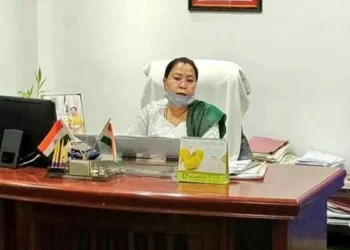
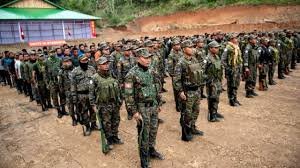
On April 15, 2026, following protests, road blockades, and strong opposition from residents of Phayeng and Nongshum, Chief Minister Yumnam Khemchand held a marathon meeting with local leaders. He assured them that the United National Liberation Front (Pambei faction) camp at Nongshum Hill would remain in place. The decision came after valley-based groups argued that the camp provided security and helped prevent attacks from adjoining hill areas. Local Committee leaders welcomed the move, saying the camp had improved safety and stability.
Kuki-Zo organisations have reacted sharply, viewing the move as a potential weakening of neutral Central force presence in sensitive hill areas and buffer zones—arrangements that have been key to preventing wider violence since May 3, 2023. In a statement issued on April 16, the Kuki-Zo Council warned that state forces are widely distrusted among tribal communities due to allegations of bias and inaction during earlier phases of the conflict. It emphasised that Central forces have played a stabilising role and cautioned that any change could “undo hard-earned stability” and risk renewed violence.
Other tribal bodies have echoed these concerns. The Kuki Inpi Manipur termed the proposal a “direct threat” to Kuki security, while the Indigenous Tribal Leaders’ Forum reiterated the importance of maintaining strict buffer zones enforced by Central forces. The Kuki Women Union (Thangting Block) has also opposed any withdrawal of Central forces from vulnerable hill areas.
The contrasting responses to these two developments have drawn sharp criticism. While protests from Meitei villagers over the UNLF camp prompted swift intervention and reassurance from the Chief Minister, similar concerns raised by Kuki-Zo groups over security arrangements appear to have received a more muted response.
Critics argue that this perceived imbalance risks reinforcing the belief that valley-centric concerns are being prioritised over those of hill communities. Such a trajectory, they warn, could deepen mistrust, intensify demands for separate administrative arrangements, and further strain the fragile peace that has held since 2023.
The United National Liberation Front, formed in 1964, is one of Manipur’s oldest insurgent groups, advocating for the state’s independence from India. Over decades, it has operated as an armed group, primarily active in valley areas. The Pambei faction is among those that entered into peace arrangements with the government.
Suspension of Operations (SoO) agreements are temporary ceasefire arrangements between insurgent groups and the government. Under these, groups agree to halt offensive activities and confine their cadres to designated camps, while the government ensures security and provides basic support. These agreements are intended as confidence-building measures to facilitate peace talks, though they often remain contentious in conflict zones like Manipur.